
Selecting the right double bed headboard involves balancing the physical dimensions of your bed frame with the visual proportions of your bedroom wall. In the Philippines, where bedroom sizes range from spacious suburban master bedrooms to compact high-rise condominium units, choosing the wrong size can quickly make a room feel cramped or leave awkward gaps. A double bed headboard should ideally align with the width of your frame or extend slightly beyond it, while its height must provide comfortable physical support without overwhelming the vertical space of the room. By understanding how to measure and scale this key piece of furniture, you can create a balanced, comfortable, and functional sleeping environment.
Quick Sizing Rules for Double Bed Headboards
Before purchasing a double bed headboard, it is helpful to establish a baseline of standard dimensions and general sizing guidelines. In the Philippines, a standard double bed frame typically measures 54 inches wide by 75 inches long (approximately 137 centimeters by 190 centimeters). However, because manufacturing standards can vary slightly between local brands and imported furniture, you should always physically measure your actual bed frame rather than relying solely on the “double” label.
For width, the general rule of thumb is to choose a headboard that matches the frame width exactly or extends 2 to 4 inches wider on each side to create a framing effect. For height, the panel should extend 14 to 24 inches above the top of your mattress to offer sufficient back and shoulder support when sitting up. In terms of depth, standard space-saving profiles usually range from 2 to 4 inches, which minimizes the footprint in smaller bedrooms.
Products mentioned in this guide




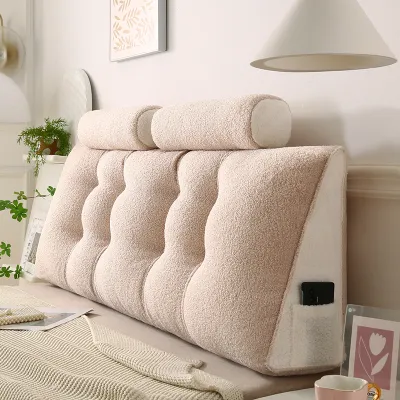


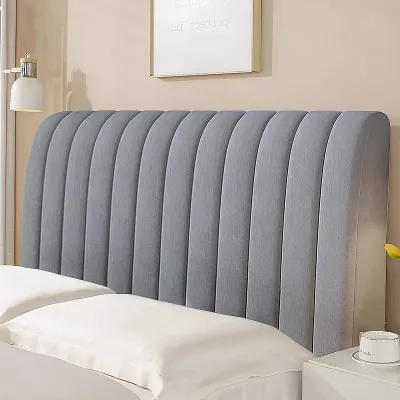
Prices are valid at publication and may change. Please refer to the product page for the latest price.
Matching Your Double Bed Headboard Width to the Frame and Nightstands
The width of your double bed headboard determines both its physical compatibility with the bed frame and its visual relationship with the rest of your bedroom furniture. You must first decide between a flush fit and an overhanging design. A flush headboard matches the 54-inch width of your double bed frame exactly, which is highly recommended for tight spaces, guest rooms, or beds placed in alcoves. This clean, streamlined look ensures that the bed does not occupy any unnecessary horizontal wall space. On the other hand, an overhanging headboard extends 2 to 4 inches beyond the mattress edges on each side, offering a more substantial, anchored look that mimics the feel of a luxury hotel suite.

However, choosing an overhanging headboard requires careful measurement of your nightstand clearance. You must measure the distance between the edge of your bed frame and the adjacent walls or bedside tables. If your bedroom is compact, an overhanging headboard might overlap with your nightstands, preventing you from pushing them flush against the bed or blocking drawers and cabinet doors from opening smoothly. If your nightstands are tight against the bed frame, a flush headboard is almost always the safer choice to maintain functionality.
Visual weight and room scale also play a major role in this decision. A slightly wider headboard can make a standard double bed appear more proportional in a larger master bedroom, helping to fill an otherwise empty wall. Conversely, in a smaller guest room or a studio apartment, a wide headboard can easily dominate the room and make the entire space feel cluttered. Matching the scale of the headboard to the scale of the room ensures that the bed remains a comfortable focal point rather than an overwhelming obstacle.
Choosing the Right Height for Wall Proportions and Comfort
Determining the ideal height for your double bed headboard requires balancing ergonomic comfort with the vertical proportions of your bedroom wall. To find the correct functional height, you should always measure from the top of your mattress upward, rather than from the floor. This is because the primary function of a headboard, aside from aesthetics, is to provide physical support when you are sitting up to read, watch television, or use your phone. A visible height of 14 to 24 inches above the mattress is generally sufficient to support your lower back and shoulders, preventing your head from pressing directly against a cold or hard wall.
The thickness of your mattress is a critical factor that many homeowners overlook. Standard mattresses can range from a thin 6 inches to a thick 12 or 14 inches if you use a hybrid, memory foam, or pillow-top model. A thick mattress will naturally hide the lower portion of your headboard, which can make a standard-height headboard look disproportionately short once the bed is made. If you have a particularly thick mattress or use a lofty mattress topper, you will need to select a taller headboard panel to ensure that enough of the design remains visible and functional above your pillows.
Additionally, you must consider your ceiling height to maintain visual breathing room. In typical Philippine residential buildings, ceiling heights can range from a standard 2.4 meters (about 8 feet) in condominiums to 2.8 meters or higher in single-family homes. To prevent your bedroom from feeling vertically compressed, it is advisable to leave at least 12 to 18 inches of empty wall space between the top of the headboard and the ceiling or crown molding. A headboard that reaches too close to the ceiling can make the room feel small and dark, whereas leaving ample wall space above the headboard allows the room to feel airy and open.
Managing Depth and Walking Clearance in Compact Rooms
While width and height are the most visible dimensions, the depth of your double bed headboard is equally important, especially when planning layout and circulation in compact bedrooms. Headboards vary significantly in thickness depending on their material and style. Slim, hard-surface options made of wood, metal, or rattan typically have a depth of only 1 to 2 inches, making them ideal for space-conscious layouts. In contrast, plush, tufted, or upholstered headboards can easily range from 4 to 8 inches in depth, which can significantly push your entire bed frame forward into the room.
To ensure comfortable movement around your bedroom, you should adhere to the interior design standard of maintaining at least 24 to 30 inches of clear walking space around the sides and the foot of the bed. Before committing to a thick upholstered headboard, measure the total length of your bedroom and subtract the length of your bed frame plus the depth of the proposed headboard. If the remaining space at the foot of the bed falls below 24 inches, you may find yourself constantly bumping into the bed frame or struggling to walk through the room comfortably. In such scenarios, opting for an ultra-slim headboard profile is a practical way to preserve valuable floor space.
Furthermore, you must verify that the depth of the headboard does not interfere with doors and window treatments. Check the swing radius of your closet doors, bedroom entry doors, and any nearby cabinet doors to ensure they can open fully without striking the bed or the headboard. You should also pay close attention to windows; if your bed is placed against a wall with a window, a thick headboard might block the natural hang of curtains or prevent blinds from operating smoothly. Ensuring that your headboard sits clear of these functional elements will prevent daily frustration and maintain the flow of natural light.
Adjusting Measurements for Different Installation Types
The way your double bed headboard is installed fundamentally changes how you should measure, verify, and execute the setup. There are three primary installation methods, each with its own set of measurement requirements.
Bed Frame Attached If you plan to attach the headboard directly to your existing double bed frame, you must measure the spacing of the pre-drilled mounting holes on both the frame and the headboard. While many manufacturers follow standardized spacing, variations do exist. You should measure the distance between the center of the left mounting slot and the center of the right mounting slot on your bed frame, and compare this with the specifications of the headboard. Additionally, verify that the package includes compatible mounting bolts and brackets, or check if you need to purchase a separate modification plate to align mismatched holes.
Wall Mounted Wall-mounted headboards are hung directly onto the wall using cleats or brackets, completely independent of the bed frame. For this method, you must measure and mark your desired visual height on the wall before drilling. Because wall-mounted headboards rely entirely on the wall for support, locating wall studs is crucial for a secure installation, particularly for heavy wooden or upholstered panels. In the Philippines, many homes feature solid concrete or hollow block walls rather than drywall. If you are mounting onto a concrete wall, you will need to use a masonry drill bit and heavy-duty wall plugs or anchors to ensure the headboard is safely secured and will not fall.
Freestanding or Floor Standing Freestanding headboards stand on the floor and are typically sandwiched between the bed frame and the wall, though they are often bolted to the frame for added stability. For this type, you must measure the “drop,” which is the distance from the top of your mattress to the floor, to ensure the headboard panel aligns correctly with your bedding. It is also essential to verify that the bottom of the freestanding legs can sit flush against the wall. If your bedroom has thick baseboards or skirting boards, they can push the legs of the headboard away from the wall, creating an unstable setup and an awkward gap.
Common Sizing and Placement Mistakes to Avoid
Avoiding common sizing and installation pitfalls can save you time, money, and frustration during your bedroom setup. One of the most frequent errors is failing to account for the thickness of baseboards and skirting boards. When a baseboard projects an inch or two from the wall, it prevents a freestanding or wall-mounted headboard from sitting flush. This creates a leverage gap that can cause the headboard to wobble or creak when you lean against it. To resolve this, you can look for headboards with baseboard cutouts, or use wall spacers to ensure the headboard is fully supported and stable.
Another critical mistake is overlooking the placement of wall outlets and light switches. Bedside electrical outlets and light switches are often positioned close to the bed for convenience. If you choose a double bed headboard that is too wide or positioned incorrectly, it can completely cover these outlets, making it impossible to plug in chargers or bedside lamps. Blocking outlets not only limits convenience but can also create a safety hazard if cords are bent at sharp angles behind a heavy headboard. Always map out the locations of your switches and outlets relative to the proposed headboard width and height before making a purchase.
Finally, many homeowners make the mistake of measuring the total headboard height from the floor instead of the top of the mattress. Measuring from the floor can lead to a headboard that appears much shorter than expected once the mattress, pillows, and blankets are in place. A headboard that seemed tall in a showroom can easily disappear behind a plush set of pillows if you did not account for the height of your bed base and mattress. Always calculate your measurements based on the fully assembled bed, with all bedding in place, to ensure the headboard retains its intended visual presence and functional comfort.
Frequently Asked Questions (FAQ)
Can I use a queen-size headboard on a double bed frame?
Yes, it is physically possible to use a queen-size headboard on a double bed frame, but it requires careful planning. A standard queen headboard is 60 inches wide, which is 6 inches wider than a standard 54-inch double bed frame, resulting in a 3-inch overhang on each side. If you use a wall-mounted or freestanding installation, this overhang can create a broader, more luxurious look, provided it does not collide with your nightstands or light switches. However, if you plan to attach the headboard directly to the frame, the mounting holes will not align, meaning you will need to purchase adapter plates or drill custom holes to secure the frame to the headboard safely.
How high should a headboard be above the mattress?
For a standard double bed, the headboard should ideally extend 14 to 24 inches above the top of the mattress. This visible height ensures that the headboard provides comfortable support for your back and head when sitting up, while keeping the bed in proportion with the rest of the room. When calculating this height, always take your measurements after your mattress, mattress topper, and pillows are fully placed on the bed frame. If you have a particularly thick mattress or prefer to stack multiple decorative pillows, you should aim for the higher end of this range (20 to 24 inches) so the headboard remains visible and functional.
Community discussion
Share your experience or ask a question. Comments are reviewed before publication.