
Finding the perfect drinking glass cabinet requires balancing the physical limits of your dining or kitchen area with the specific storage needs of your glassware collection. A cabinet that is too large can disrupt the natural flow of your home, while one that is too small leaves delicate wine glasses, highballs, and decanters crowded and prone to chipping. To make an informed decision, you must measure your available space, calculate the shelf area your collection demands, and select a layout that complements your room’s traffic patterns.
By taking a systematic approach to sizing, you can protect your valuable glassware while enhancing the aesthetic appeal of your living space. Whether you are displaying heirloom crystal or organizing everyday tumblers, the right dimensions ensure both accessibility and safety.
Assess Your Space and Clearance Requirements
Before browsing styles or finishes, you must establish the maximum physical boundaries of your room. Use a metal measuring tape to record the exact width, depth, and height of the intended location. Do not rely on visual estimations, as even a discrepancy of a few centimeters can prevent a cabinet from fitting into its designated spot. Note any architectural features such as low windowsills, columns, or light switches that could restrict the cabinet’s placement or block access to essential controls.
Products mentioned in this guide
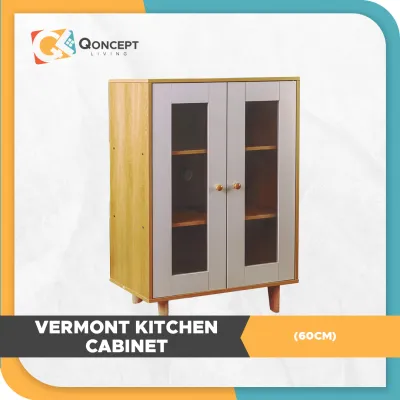
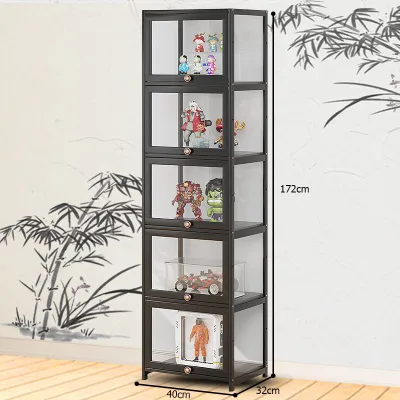
Prices are valid at publication and may change. Please refer to the product page for the latest price.
Traffic flow and door clearance are critical factors that homeowners frequently overlook. A drinking glass cabinet is only functional if you can easily open its doors to retrieve items. Measure the swing radius of the cabinet doors and compare this to the surrounding space. Ensure that when the cabinet doors are fully open, they do not collide with dining chairs, kitchen islands, or passing family members. If you are placing the cabinet near a room entry, verify that the main door can open completely without striking the cabinet frame.
Wall obstructions can silently derail your installation plans. Check the base of your walls for thick baseboards or decorative moldings, which can prevent the cabinet from sitting flush against the wall. This gap not only wastes valuable floor space but can also cause instability if the unit is top-heavy. Additionally, locate all electrical outlets in the area; covering an outlet with a heavy cabinet can restrict access to power sources or bend plugs dangerously against the back panel.
If your chosen drinking glass cabinet features built-in LED spotlights, accent lighting, or active temperature control, you must plan for adequate ventilation. Electronic components generate heat that must escape to prevent premature wear. Check the manufacturer’s installation guidelines to determine the required clearance between the back of the cabinet and the wall. Typically, a gap of two to five centimeters is sufficient to allow warm air to rise and dissipate safely.
Estimate Capacity Based on Your Glassware Collection
To choose a cabinet with the right internal volume, you must audit your current glassware collection and anticipate future acquisitions. Gather your glasses and group them by type, as different shapes require distinct storage strategies.

- Stemware and Wine Glasses: These delicate items require ample vertical clearance and stable, flat shelving. High-end Bordeaux or Burgundy glasses can stand up to 25 centimeters tall and have wide bowls that prevent tight packing.
- Tumblers and Highballs: These everyday glasses are sturdy and often stackable, allowing you to maximize vertical shelf space.
- Pint Glasses and Beer Steins: These are heavy and tall, requiring robust shelves that will not sag under concentrated weight.
- Decanters and Pitchers: These wide-base vessels require substantial depth and height, often serving as the centerpiece of a display.
Adjustable shelving is highly recommended for a diverse glassware collection. Fixed shelves often result in wasted vertical space above short tumblers, while simultaneously forcing you to store tall wine glasses horizontally or in another room. Look for cabinets with high-density peg systems, which allow you to adjust shelf heights in small increments. This flexibility ensures you can customize the interior to match the exact heights of your glasses, maximizing storage efficiency.
Never plan to pack your glassware rim-to-rim. Crowded shelves increase the risk of accidental breakage when you reach for a specific glass. To maintain a clean, organized display and ensure safe handling, plan for a buffer space of at least two centimeters between each glass. If you frequently host social gatherings or plan to expand your collection, choose a cabinet that offers 20% to 30% more shelf space than your current inventory requires.
Shelf depth is another critical dimension that dictates how many rows of glasses you can store. A shelf depth of 30 centimeters is standard and comfortably accommodates two to three rows of average-sized drinking glasses. However, if you own wide-base decanters or oversized gin goblets, you may need a cabinet with a shelf depth of 35 to 40 centimeters to ensure the cabinet doors can close completely without touching the glassware.
Match Cabinet Dimensions to Your Room Layout
Your room’s layout and square footage will point you toward specific cabinet styles. Selecting the right silhouette ensures the furniture integrates naturally into your home without making the space feel cramped.
Freestanding Buffet-Style Cabinets
These low-profile, wide units are excellent for spacious dining rooms or open-plan living areas. They typically stand between 80 and 90 centimeters tall, offering a convenient surface on top for serving drinks or displaying decorative items. Because they are wider than they are tall, they ground the room visually. However, they have a larger floor footprint, usually requiring a depth of 40 to 50 centimeters. Always measure the remaining walkway space to ensure you can walk comfortably around the dining table when the cabinet is in place.
Tall and Narrow Display Cabinets
If you live in a compact apartment or have limited floor space, a tall, narrow cabinet is the most efficient choice. These units maximize vertical space by extending upward, often reaching heights of 180 to 200 centimeters while maintaining a narrow width of 50 to 60 centimeters. They draw the eye upward, making small rooms feel loftier. Because of their high center of gravity, these cabinets must be anchored securely to the wall to prevent tipping, especially in regions prone to seismic activity or in homes with active pets.
Wall-Mounted or Floating Cabinets
Wall-mounted cabinets keep the floor completely clear, creating an airy, modern aesthetic. They are ideal for tight kitchens or dining alcoves where floor space cannot be sacrificed. Before purchasing, you must verify the structural integrity of your wall. Heavy collections of glassware require secure anchoring into solid wall studs or concrete masonry. Standard drywall or plasterboard without reinforcement cannot support the combined weight of a wooden cabinet and dozens of glass vessels.
Corner Cabinets
Corner cabinets are designed to utilize the often-wasted space where two walls meet. They feature a triangular footprint that tucks neatly into L-shaped dining areas. While they help maintain an open floor plan and smooth traffic flow, their deep, triangular shelves can make it difficult to reach items stored in the very back. Use these rear areas for seasonal glassware or decorative bottles that you do not need to access daily.
Common Sizing Mistakes to Avoid
One of the most frustrating retail errors is purchasing a beautiful drinking glass cabinet only to find it cannot be delivered into your home. Always measure your entry path before finalizing a purchase. This includes measuring the height and width of your front door, apartment elevator doors, stairwell turns, and narrow hallway corridors. If your building has low ceilings or tight corners, a fully assembled tall cabinet may not clear the turns, forcing you to opt for flat-pack furniture or a modular design.
Another frequent mistake is ignoring the visual weight of the furniture. A bulky, solid-wood cabinet finished in a dark stain can overwhelm a small, poorly lit room, making it feel claustrophobic. If your space is limited, look for cabinets with glass side panels, open metal frames, or light-colored finishes. These design elements allow light to pass through the piece, preserving a sense of openness while still providing secure storage.
Do not assume that the external dimensions of a cabinet represent its usable internal storage. Structural framing, thick wooden side panels, backboards, and sliding door tracks can reduce the internal width and depth by several centimeters. If you have specific items, like a wide serving tray or a collection of tall beer steins, compare their measurements directly against the manufacturer’s specified internal shelf dimensions rather than the overall product footprint.
Finally, always verify your ceiling height against the cabinet’s height, taking architectural details into account. Standard ceiling heights can vary, and features such as sloped ceilings, decorative bulkheads, or low-hanging pendant lights can block a tall cabinet. Ensure there is enough clearance to lift and position the cabinet during assembly and installation, especially if the unit must be tilted upright in a tight space.
Frequently Asked Questions (FAQ)
How much weight can a wall-mounted glass cabinet hold?
The weight capacity of a wall-mounted drinking glass cabinet depends on the cabinet’s construction, the wall material, and the installation hardware. A high-quality wooden or metal cabinet mounted directly into solid concrete or wall studs using heavy-duty toggle bolts can typically support 20 to 40 kilograms. However, mounting a cabinet solely to drywall using standard plastic anchors is highly unsafe and can lead to structural failure. Always check the manufacturer’s specified load capacity, use the recommended mounting hardware, and consult a professional installer if you are unsure about your wall’s load-bearing ability.
Should I leave space between the top of the cabinet and the ceiling?
Leaving a gap of 10 to 20 centimeters between the top of a tall cabinet and the ceiling is generally recommended for both aesthetic and practical reasons. Visually, a small gap prevents the room from feeling cramped and allows light to circulate, creating a more balanced composition. Practically, this space makes routine cleaning and dusting much easier. If you prefer a seamless, built-in look, you can choose a cabinet that goes all the way to the ceiling, but be prepared to seal the top edge with crown molding to prevent dust from accumulating in hard-to-reach crevices.
How does cabinet depth affect my dining room layout?
Cabinet depth directly impacts both your storage capacity and the usability of your dining room. A standard cabinet depth of 40 to 45 centimeters provides excellent storage for large glassware and serving platters, but it can restrict movement if placed in a narrow room. To maintain comfortable traffic flow, you should maintain a minimum walkway clearance of 90 centimeters between the cabinet and your dining table or chairs when they are in use. If your dining room is tight, look for a shallow cabinet with a depth of 30 to 35 centimeters, or opt for sliding glass doors that do not project into the walkway when opened.
Community discussion
Share your experience or ask a question. Comments are reviewed before publication.