
Finding the right foldable wooden chair for a compact condominium involves balancing the chair’s open footprint with your available floor area and storage space. Generally, a chair with an open width of 40 to 45 centimeters and an open depth of 45 to 50 centimeters offers a comfortable seat while remaining compact enough to preserve precious walkway space. However, the ideal size depends entirely on your specific layout, the clearance behind your dining table or desk, and where you plan to tuck the chair away when it is folded. By measuring your space first and verifying the manufacturer’s exact specifications, you can ensure your seating is both highly functional and easy to store.
Measure Your Condo Space Before Buying
Before browsing online marketplaces or visiting local furniture showrooms, you must map out the exact zone where your new seating will live. Condo living in tropical climates often requires multi-functional spaces, where a single corner might serve as a dining nook by day and a work-from-home station by night. Start by identifying these primary use zones and visualizing how a chair will fit into the daily flow of your household.
Take a reliable measuring tape and record the usable floor width and depth of your target area. Do not rely on general room dimensions; instead, measure the actual floor space while accounting for baseboards, thick rugs, nearby cabinet doors, and existing furniture legs. In tight layouts, even a few centimeters of baseboard protrusion can prevent a chair from sliding neatly under a table or desk.
Products mentioned in this guide
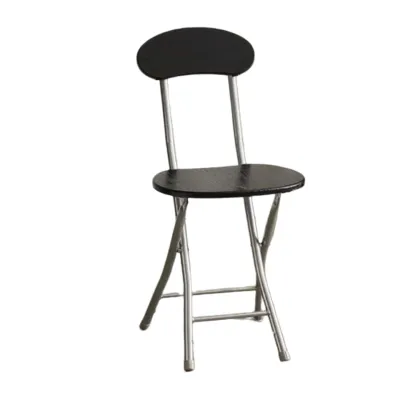
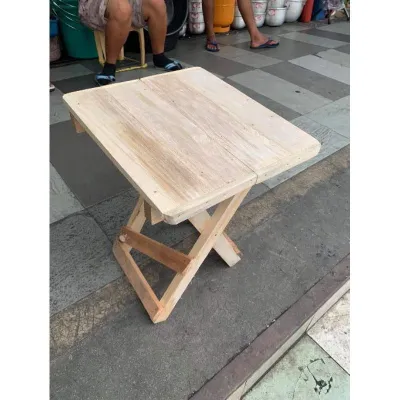
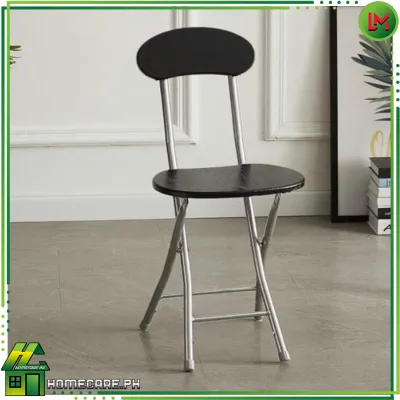
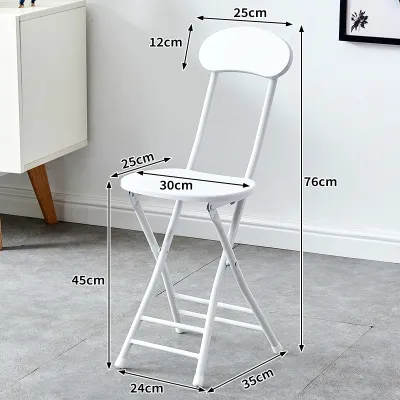

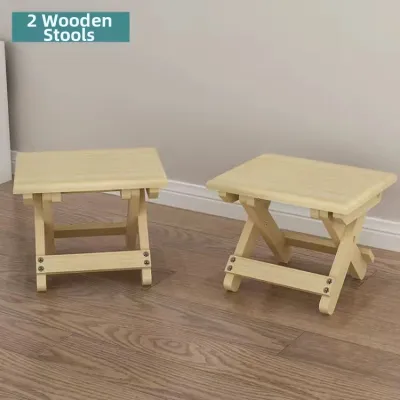

Prices are valid at publication and may change. Please refer to the product page for the latest price.
Next, calculate the clearance needed for walkways when the chair is fully pulled out and occupied. A common mistake in small condos is planning only for the chair’s static position. You must ensure that family members can still walk past the dining area or desk without squeezing uncomfortably against walls or kitchen counters. If your dining table sits near a main hallway or entryway, this clearance becomes even more critical for maintaining a safe, unobstructed path through your home.
Consider also how the chair will interact with other furniture pieces. If you plan to use the chair on a covered balcony, measure the doorway width to ensure you can easily move the furniture in and out during heavy tropical rains or high humidity seasons. Taking these precise measurements beforehand establishes a clear boundary for your purchase, preventing the frustration of bringing home a chair that blocks your natural walking paths.
Key Dimensions to Check on a Foldable Wooden Chair
Once you have your room measurements, you can begin evaluating the specifications of various foldable wooden chairs. The first dimension to analyze is the overall open footprint, which includes the maximum width and depth of the chair when fully unfolded. Compare these figures directly against your measured use zone to ensure the chair fits comfortably within the designated boundary without overlapping onto rugs or high-traffic pathways.

Seat height and seat depth are equally critical for both comfort and spatial harmony. The seat height must align with your existing table or desk; typically, a gap of 25 to 30 centimeters between the top of the seat and the underside of the table allows for comfortable legroom. Additionally, check the seat depth to ensure the chair does not extend awkwardly beyond the edge of your table when pushed in, which can clutter a narrow dining nook.
Do not overlook the backrest height when reviewing product dimensions. In a compact condo, tall furniture can visually crowd a room and block natural light from windows. Verify that the backrest height does not obstruct low-hanging shelves, wall-mounted air conditioning units, or decorative wall fixtures. A lower backrest often helps maintain an open, airy feel in a small living space while still providing adequate lumbar support.
Finally, pay close attention to the angle of the backrest and legs. Some wooden folding chairs feature splayed legs for stability, which significantly increases the overall footprint compared to the actual seat size. Always check the maximum width and depth at the very base of the legs, as this is the true area the chair will occupy on your floor.
Evaluating Folded Storage and Clearance Requirements
The primary benefit of a foldable wooden chair is its ability to disappear when not in use, but this only works if you have a designated storage spot that matches the chair’s folded dimensions. Before purchasing, measure the width, height, and depth of your intended storage gaps. Common storage spots in condos include the narrow space behind a bedroom door, the gap between a wardrobe and the wall, or the empty area under a bed frame.
Check the folded thickness of the chair, which is often listed in product specifications as the folded depth. A truly compact chair might fold down to a thickness of less than 10 centimeters, allowing it to slide easily into tight crevices. If you plan to stack multiple chairs, multiply this folded thickness by the number of chairs to ensure they will fit together inside your utility closet or storage nook.
The weight of the chair and the design of its folding mechanism also play a major role in how often you will actually use it. Solid wood chairs can be surprisingly heavy, so verify the product weight to ensure you can comfortably lift and carry the chair on a daily basis. Look for smooth, intuitive folding mechanisms that do not require excessive force or risk pinching your fingers during operation.
Additionally, review the manufacturer’s instructions regarding safe storage and folding. If the chair is designed to lean against a wall when folded, check if it requires a non-slip base or specific wall-clearance to prevent it from sliding and falling. In humid tropical environments, storing wooden furniture in tightly enclosed, unventilated spaces can trap moisture, so ensure your chosen storage spot allows for adequate air circulation to protect the wood finish.
Common Sizing Mistakes to Avoid in Small Spaces
One of the most frequent errors condo owners make is confusing the compact folded footprint of a chair with the actual space required when the chair is in use. A chair may look incredibly small and unobtrusive in product photos, but once unfolded and occupied, it requires significantly more physical space. Always base your layout planning on the fully extended open dimensions rather than the folded measurements.
Another common oversight is ignoring the swing radius of the folding mechanism and any protruding armrests. Some chairs require a wide arc to unfold, which can easily strike nearby glass doors, delicate plaster walls, or other furniture pieces in a tight room. If the chair features armrests, verify that they can slide completely under your dining table or desk, as armrests that catch on the table edge will force the chair to sit further back, blocking your walkways.
It is also risky to assume that all wooden folding chairs share standard, universal dimensions. Manufacturing standards vary widely across different brands and styles, meaning a chair that looks identical to one you previously owned might actually be several centimeters wider or deeper. Always verify the specific product labels and manufacturer specifications for the exact model you are purchasing rather than relying on general assumptions.
Lastly, do not ignore the weight capacity and joint stability in favor of a smaller size. While a very slim, lightweight chair might seem ideal for a tiny condo, it must still offer a stable and secure seating experience. Check the manufacturer’s rated load capacity to ensure the chair can safely support its intended users, and inspect the joint hardware to confirm it is robust enough for regular folding and unfolding.
Frequently Asked Questions (FAQ)
Can a foldable wooden chair support daily dining use in a small condo?
Yes, a foldable wooden chair can support daily dining use, provided you select a model specifically designed for regular wear and tear. When choosing a chair for daily use, prioritize robust joint hardware and check the manufacturer’s specified weight limits to ensure long-term stability. Because wooden seats can feel hard during extended sitting, look for models with ergonomic seat contours or consider adding removable, washable seat cushions that can be stored separately. Regularly inspect the folding joints and tighten any loose screws to maintain structural integrity over time.
How much space should I leave between the chair and the wall?
To ensure comfortable movement, you should ideally leave a clearance of 60 to 90 centimeters between the edge of your dining table and the wall. This distance allows a person to pull the chair out, sit down, and push the chair back in without scraping the wall or feeling confined. If you have a high-traffic walkway directly behind the seating area, aim for the upper end of this range to allow other household members to walk past comfortably while the chair is occupied.
Community discussion
Share your experience or ask a question. Comments are reviewed before publication.