
Finding the right size heavy duty foldable table for a small condo balcony requires balancing functional surface area with safe, comfortable movement. In compact high-rise spaces, a table measuring between 60 and 90 centimeters in length typically offers the ideal compromise, providing enough room for dining or working while preserving vital walking paths. Selecting the perfect fit requires analyzing your balcony’s physical boundaries, your planned seating arrangement, and the folding mechanism of the table itself.
A balcony should serve as a relaxing escape rather than a cramped obstacle course. When a table is too large, it restricts movement, blocks natural light, and can even pose safety hazards during emergencies. By focusing on precise measurements and choosing a versatile, heavy-duty folding design, you can transform a limited outdoor area into a highly functional extension of your living space.
Measure Your Balcony Space and Clearance Requirements
Before browsing online marketplaces or visiting furniture showrooms, you must establish the exact physical limits of your balcony. Begin by clearing the entire floor area of any temporary items. Use a metal tape measure to record the absolute length and width of the space from wall to wall, and from the interior threshold to the inner edge of the balcony railing.
Products mentioned in this guide
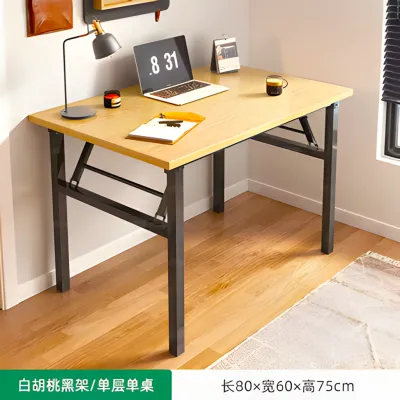
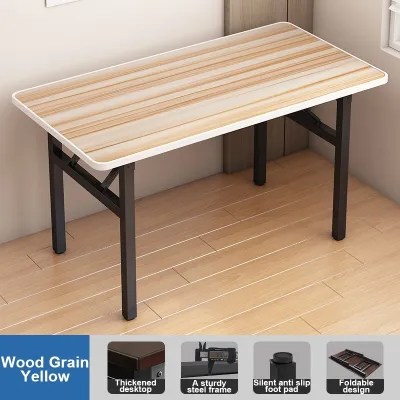
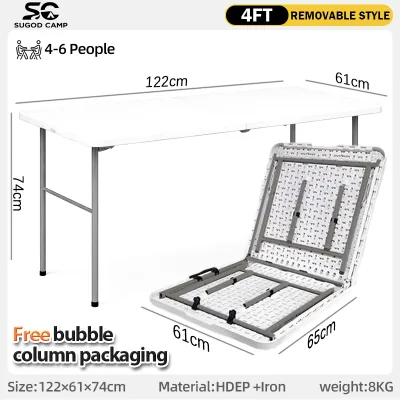
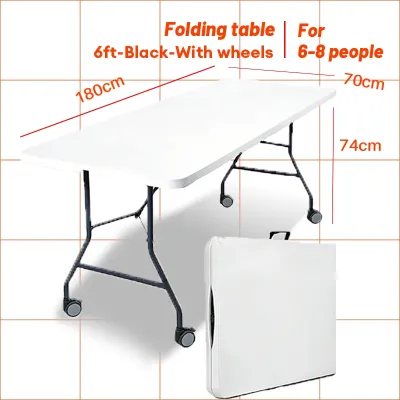
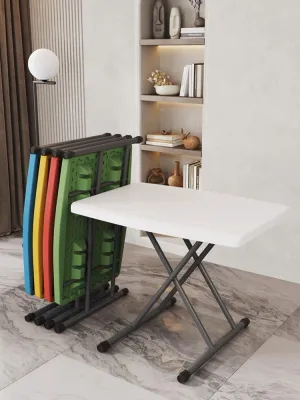
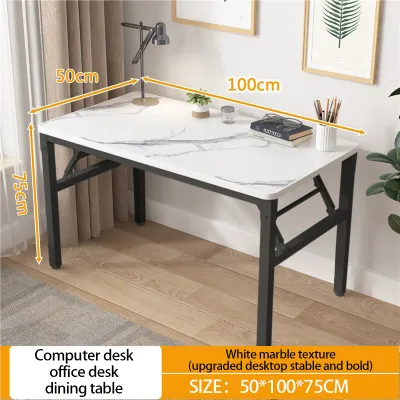
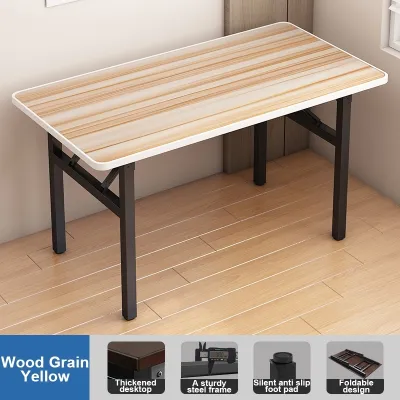
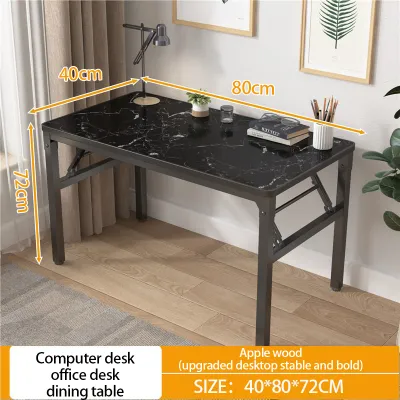
Prices are valid at publication and may change. Please refer to the product page for the latest price.
Next, identify and map out all fixed obstacles that cannot be moved. Air conditioning condenser units, drainage grates, structural pillars, and outdoor electrical outlets all dictate where a table can safely stand. For instance, placing a table too close to an active air conditioning exhaust can subject your furniture to constant hot air, making the seating area uncomfortable and potentially damaging the table’s finish over time.
Door swing clearance is another critical factor that many condo residents overlook. If your balcony features a traditional swing door, measure the full arc of the door’s path and mark this zone as strictly off-limits for furniture placement. For sliding glass doors, ensure that the table and its accompanying chairs do not obstruct the primary sliding panel or step-over tracks, allowing for smooth, unhindered transitions between your indoor and outdoor spaces.
Safety regulations and emergency access must also guide your layout. Most condominium administrations enforce strict guidelines regarding clear pathways for emergency evacuations or building maintenance access. Ensure your proposed table placement leaves a direct, unobstructed path to any fire escape hatches or window-washing anchor points.
Finally, examine the balcony railing itself. Measure the height from the balcony floor to the top of the railing to ensure it meets local safety standards, which typically require a height of at least 110 centimeters. If you are considering a railing-mounted foldable table, inspect the railing’s material and structural integrity. Metal railings must be free of rust, and glass panels must have robust, load-bearing metal frames capable of supporting the clamping force and weight of a mounted table.
Match Table Dimensions to Your Balcony Bar or Lounge Setup
The ideal dimensions of your heavy duty foldable table depend heavily on how you plan to use the space. If your goal is to create a high-rise bar experience to enjoy evening drinks or morning coffee, a bar-height table is the most suitable choice. These tables typically stand between 100 and 110 centimeters tall, which elevates your line of sight and allows you to look over the balcony railing rather than directly into it.

For those who intend to use the balcony as an outdoor workspace or a spot for casual dining, a standard-height table of approximately 75 centimeters is more appropriate. This height pairs naturally with standard outdoor dining chairs, offering an ergonomic setup for typing on a laptop or enjoying a full meal.
To determine the necessary surface area, calculate the space required per person. A single individual needs a minimum width of 60 centimeters and a depth of 40 centimeters to dine comfortably without feeling restricted. Therefore, a compact table measuring 60 by 60 centimeters is perfect for a solo resident, while a table measuring 90 by 60 centimeters can comfortably accommodate two people sitting side-by-side or opposite each other.
Do not forget to factor in the footprint of your seating. Bar stools and dining chairs require significant physical space when in use, and they must be accounted for in your total layout calculations. Stools designed for bar-height tables often feature a smaller footprint and can sometimes be tucked completely underneath the table frame when not in use, which is a major space-saving advantage for narrow balconies.
In contrast, standard dining chairs with angled legs or supportive backrests require more floor space and cannot always be pushed fully under the table. When planning your layout, add at least 50 to 60 centimeters of depth behind each chair to allow guests to pull the chairs out, sit down, and rise comfortably without bumping into walls or railings.
Evaluate Heavy Duty Foldable Table Features for Small Spaces
A heavy-duty table is only as good as its folding mechanism and structural stability. When space is at a premium, the style of fold determines how easily you can reclaim your balcony floor area when the table is not in use. Drop-leaf tables are highly versatile, allowing you to fold down one or both sides of the tabletop to adjust the surface area as needed while keeping the central frame upright.
Wall-mounted folding tables offer the ultimate space-saving solution, collapsing completely flat against the balcony wall or railing when folded. However, these require secure anchoring into concrete or solid masonry, which may require written approval from your condo administration. Fully collapsible tables, which fold flat or in half, can be stored away entirely in a utility closet or behind a sofa, but they require you to carry the table back and forth whenever you want to use it.
To ensure the table is truly heavy-duty, look past marketing buzzwords and verify the manufacturer’s specifications. Check the rated weight capacity, which should ideally support at least 30 to 50 kilograms for a reliable outdoor table. Look for structural reinforcements such as thick-gauge metal frames, cross-bracing support bars, and secure locking pins that prevent the table from accidentally collapsing while in use.
Material selection directly impacts both durability and maintenance in tropical environments. High humidity, heavy rainfall, and intense sunlight can quickly degrade poorly made furniture. Instead of assuming a material is durable based on its name, check the product care labels for specific protective treatments. Look for powder-coated steel or aluminum frames that resist rust, high-density polyethylene (HDPE) plastics with UV-inhibitors, or dense hardwoods like teak or eucalyptus that have been treated with weather-resistant sealants.
Common Sizing Mistakes to Avoid When Buying Balcony Furniture
One of the most common mistakes condo owners make is purchasing a table based solely on its static dimensions, completely overlooking the “active space” required during actual use. A table might physically fit onto your balcony, but if you cannot pull out the chairs or walk around seated guests without squeezing against the railing, the setup becomes impractical and frustrating to use.
Another frequent error is ignoring the visual weight of the furniture. Heavy-duty tables with thick, solid black frames or bulky plastic tops can overwhelm a small balcony, making the entire area feel dark, cluttered, and visually cramped. Opting for tables with slender, open-frame metal legs and lighter-colored tops can provide the same structural strength while maintaining a sense of openness and airiness.
Finally, always plan the logistics of getting the table into your home. Many buyers measure their balcony perfectly but forget to measure the building’s service elevator, narrow hallway corners, or their own front door frame. A large, fully assembled heavy-duty table that cannot fit into the elevator or turn a tight corner in your entryway will result in a difficult and costly return process.
Frequently Asked Questions (FAQ)
Can a heavy duty foldable table withstand strong winds on a high-rise balcony?
High-rise balconies are subject to intense wind currents that can easily displace lightweight outdoor furniture. To ensure your table remains stable, verify its net weight and base design before purchasing; a heavier table with a low center of gravity is naturally more wind-resistant. Avoid lightweight plastic folding tables unless they can be securely anchored. It is best to check the manufacturer’s guidelines for wind exposure and always fold the table down and secure it to a structural wall or railing with heavy-duty straps when strong winds or tropical storms are expected.
How much space should I leave between the table and the balcony railing?
For safety and ease of movement, you should maintain a clearance of at least 60 centimeters between your table and the balcony railing. This gap ensures that you can walk around the table safely, clean the balcony floor easily, and prevent items on the table from accidentally falling over the edge. Additionally, always consult your condominium’s house rules, as many building administrations strictly prohibit placing furniture directly against or attaching fixtures to the railings to prevent safety hazards and maintain a uniform building exterior.
Community discussion
Share your experience or ask a question. Comments are reviewed before publication.