
Selecting the right metal organizer rack for your cabinet involves more than simply matching the outer dimensions of your furniture. To ensure a seamless fit and optimal storage, you must calculate the true internal usable space, account for hardware obstructions, and align the rack’s configuration with your specific storage needs. In tropical climates like the Philippines, high humidity can cause wooden cabinets to swell or warp slightly over time, making precise internal measurements even more critical to prevent a tight metal rack from scraping or damaging the interior walls.
By taking the time to measure your cabinet accurately and plan for clearance, you can avoid the frustration of purchasing a rack that is too large, unstable, or incompatible with your cabinet doors. This guide walks you through the exact measurements, clearance calculations, and structural checks required to select a metal shelf rack that fits perfectly inside your existing cabinet.
Measure Your Cabinet's Internal Dimensions
To establish the maximum outer boundaries for your new metal organizer rack, you must first determine the exact usable width, depth, and height inside the cabinet. Do not rely on the manufacturer’s external dimensions, as these include the thickness of the cabinet walls, back panels, and face frames.
Products mentioned in this guide
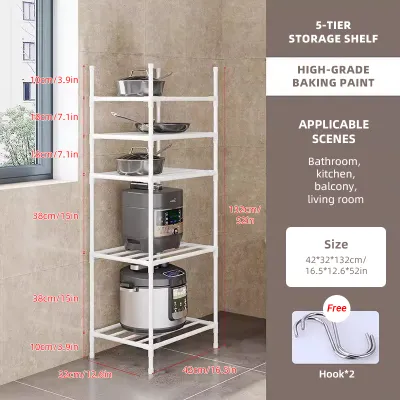
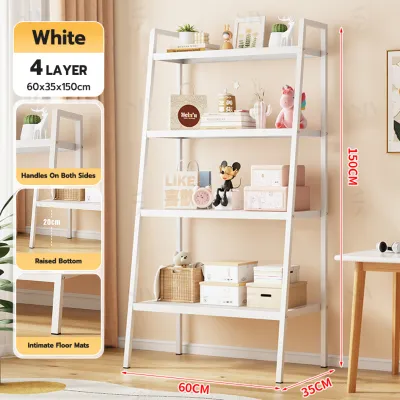
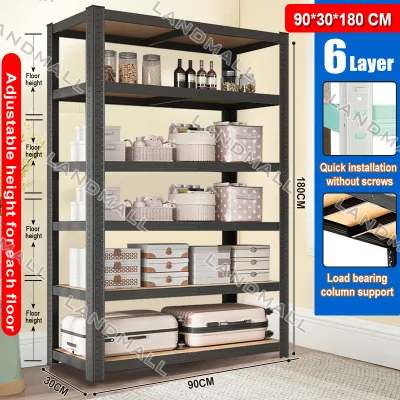
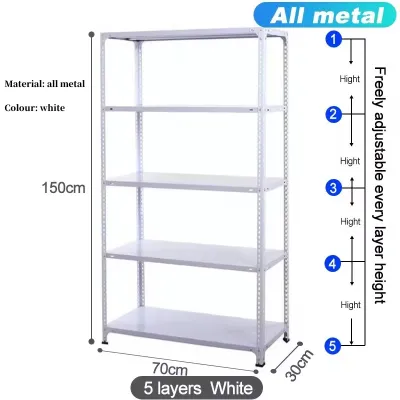
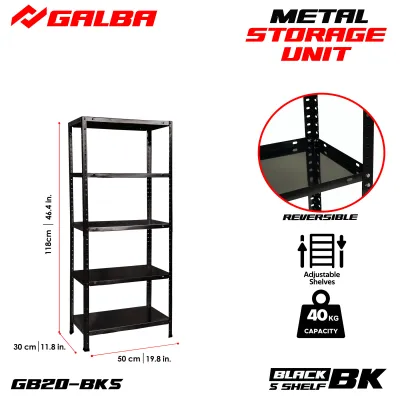
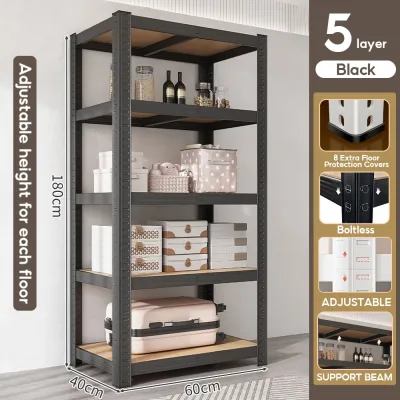
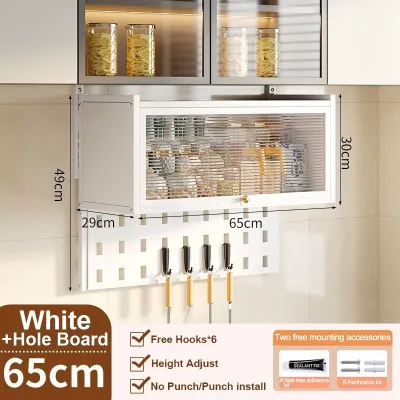
Prices are valid at publication and may change. Please refer to the product page for the latest price.
Always use a rigid metal tape measure for this task. Flexible cloth tapes can sag, stretch, or bend, leading to inaccurate and overly generous readings that might cause you to buy a rack that is too large. Keep the tape measure perfectly straight and level against the cabinet surfaces during each measurement.
Measure the internal width, depth, and height at three distinct points: the top, the middle, and the bottom of the cabinet cavity. Interior walls are rarely perfectly square, and factors like humidity-induced warping, settling, or minor construction irregularities can create subtle differences in space from one side to the other.
Once you have collected these three sets of measurements, record the narrowest width, the shallowest depth, and the shortest height. These conservative figures represent your absolute maximum outer boundaries. Any metal rack you choose must be smaller than these dimensions to fit inside the cabinet opening.
Account for Clearance, Hardware, and Door Swing
Having your absolute maximum dimensions is only the starting point. To find the actual footprint your metal organizer rack can occupy, you must subtract necessary gaps for physical clearance and internal hardware.

Inspect the inside of your cabinet for any protruding hardware. Common obstructions include internal door hinges (especially bulky concealed European-style hinges), drawer slides, magnetic catches, shelf support pins, or protruding assembly screws. Measure how far these elements extend into the usable space and deduct that distance from your maximum width and depth.
Next, factor in a safety clearance gap on all sides of the rack. Leaving a small buffer—typically at least one to two centimeters of space—makes it much easier to insert, position, and remove the rack without scratching the cabinet’s interior paint, laminate, or wood veneer. This gap also promotes healthy air circulation, which is vital in humid environments to prevent moisture buildup and mold.
Finally, carefully analyze the door swing path. Many cabinet doors do not swing open a full 180 degrees, or they may have a lip that protrudes into the opening when opened to a standard 90-degree angle. Ensure that the rack’s front corners and any stored items will not obstruct the doors from closing fully, and verify that you can actually pass the rack through the open door frame during installation.
Match the Rack Configuration to Your Storage Needs
Once you know the allowable dimensions, you can select a rack configuration that maximizes your storage efficiency. This involves evaluating the number of tiers, the vertical spacing between shelves, and the overall load capacity.
Begin by calculating the vertical clearance required for the specific items you plan to store. Measure your tallest items, such as large serving bowls, tall canisters, or heavy cookbooks, and add a small buffer space above them. This extra space ensures you can easily lift and retrieve items without scraping the shelf above.
Next, verify the load capacity of the metal rack. Check the manufacturer’s product label or specifications for the maximum weight limit per shelf and for the entire unit. Heavy kitchenware, such as cast iron pans, ceramic plates, or canned goods, can exert significant downward force. Choosing a rack with an inadequate load rating can lead to bowing shelves or structural collapse.
You must also decide between fixed-tier and adjustable-tier designs. Fixed-tier metal racks offer excellent structural rigidity and are often easier to assemble, but they limit you to predetermined shelf heights. Adjustable-tier designs feature customizable shelf heights, allowing you to adapt the storage space as your needs change over time, though they may require more careful assembly to ensure level shelves.
Verify the Metal Rack's Build and Finish for Indoor Use
The material quality and surface treatment of your metal organizer rack are critical for its longevity and the protection of your cabinet’s interior.
Always check the product label or specifications for the type of surface finish. Common options include powder-coated steel, chrome plating, and stainless steel. In humid tropical regions, a high-quality powder-coated or rust-resistant finish is essential to protect the underlying metal from moisture and corrosion. Review the manufacturer’s specific care and cleaning instructions to ensure you use non-abrasive cleaners that won’t degrade the protective coating.
Review the assembly instructions before purchasing. Some metal racks must be assembled inside the cabinet due to tight clearances, while others can be built externally and slid into place. Confirm that you have the necessary tools, such as a rubber mallet or hex key, and adequate physical space to complete the assembly process comfortably.
Additionally, inspect the design of the rack’s feet or base pads. Look for models equipped with rubber, plastic, or silicone caps on the bottom of the legs. These protective barriers prevent the metal frame from scratching, denting, or leaving rust stains on the cabinet’s interior floor, preserving the value and appearance of your furniture.
Common Sizing Mistakes to Avoid
To ensure a successful organization project, keep these frequent purchasing errors in mind so you can actively avoid them.
The most common mistake is confusing external cabinet dimensions with internal usable space. Relying on external measurements almost always results in a rack that is too large to fit through the cabinet doors or sit inside the frame.
Another frequent oversight is ignoring the thickness of the rack’s own frame, legs, and wire mesh. While the outer dimensions of the rack may fit your cabinet, the thick metal corner posts or structural supports reduce the actual flat shelf space available for your items, meaning wide trays or organizers might not sit flat.
Lastly, many people overlook the door swing path and internal hinges. A rack might fit perfectly inside the cabinet cavity when measured wall-to-wall, but if it sits too close to the front, it can block the cabinet doors from closing securely or prevent them from opening wide enough to access your stored items.
Frequently Asked Questions (FAQ)
Can I use an expandable rack instead of a freestanding metal shelf?
Expandable metal racks offer excellent flexibility for changing storage needs, but they generally have lower load-bearing limits and less structural stability at their maximum extension compared to solid, one-piece freestanding frames. If you plan to store heavy items like cast iron cookware or stacks of ceramic plates, a solid freestanding metal rack is usually a more reliable choice. Additionally, tension-based or friction-based expandable products require smooth, parallel, and sturdy interior cabinet walls to grip securely without slipping or damaging the cabinet structure.
What should I do if my cabinet floor is uneven?
If your cabinet floor is slightly unlevel, check if your selected metal organizer rack features adjustable leveling feet. These threaded feet can be screwed in or out individually to compensate for minor slopes, ensuring the rack remains perfectly stable and level. If the rack lacks built-in adjustability, you can place non-slip, non-damaging shims or felt pads under the legs to stabilize the base. Always ensure any leveling method complies with the cabinet manufacturer’s care guidelines to avoid creating concentrated pressure points that could dent or damage the cabinet floor.
Community discussion
Share your experience or ask a question. Comments are reviewed before publication.