
A small bedroom in a typical Philippine condominium or urban townhome requires a compact metal wardrobe cabinet that balances vertical storage with a minimal floor footprint. Generally, a slim single-door or double-door metal wardrobe with a depth of 45 to 50 centimeters and a width of 60 to 90 centimeters fits comfortably without blocking essential walking paths. Utilizing vertical height up to 180 or 190 centimeters allows you to maximize storage capacity while keeping the floor area clear. Selecting the right size involves measuring your available floor space, checking door swing clearances, and ensuring the unit can navigate tight hallways and stairwells during delivery.
Measure Your Room and Delivery Path
Before purchasing a wardrobe cabinet metal unit, you must map out the exact physical boundaries of your bedroom. Start by measuring the floor area where you plan to place the cabinet. Use a steel measuring tape to record the width, depth, and height of the designated spot. It is crucial to leave at least 60 centimeters of open floor space in front of the wardrobe to allow for comfortable walking and to prevent the room from feeling claustrophobic.
Do not limit your measurements to the bedroom floor alone. You must trace the entire delivery path from the building entrance to the final resting spot of the cabinet. Measure the height and width of all entry doors, narrow hallways, stairwells, and elevator cabins. Metal wardrobes are often delivered as heavy, flat-packed panels or as fully welded single-piece units. If the package dimensions exceed your doorway clearances, you will face severe delivery bottlenecks.
Products mentioned in this guide
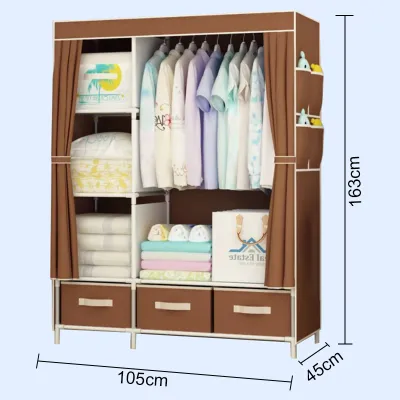

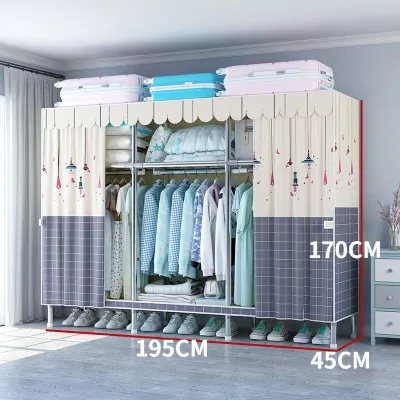

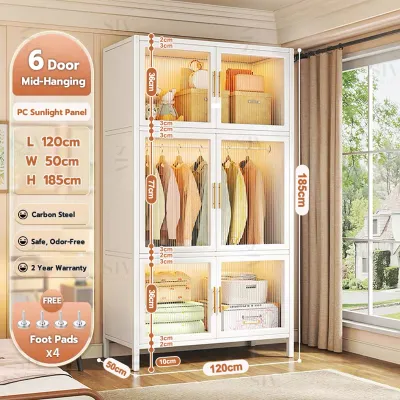
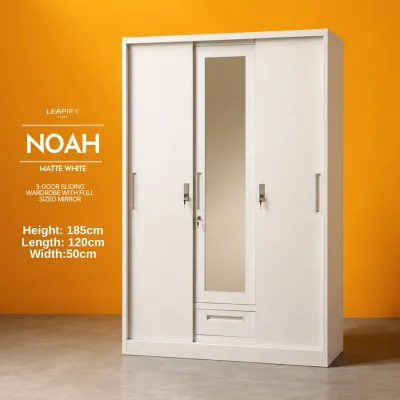
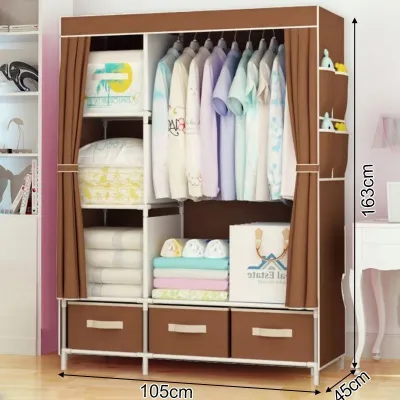
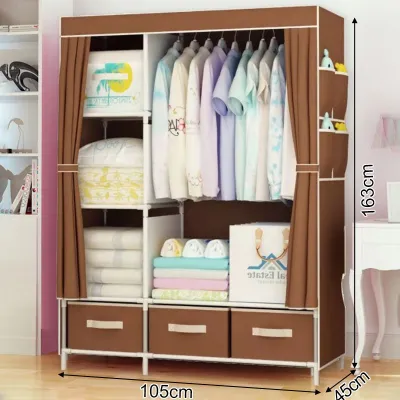
Prices are valid at publication and may change. Please refer to the product page for the latest price.
Additionally, inspect the specific wall where the cabinet will stand. Take note of baseboards, electrical outlets, light switches, window sills, and wall-mounted air conditioning units. Baseboards can prevent a metal wardrobe from sitting completely flush against the wall, which affects stability and leaves a gap where dust can accumulate. Ensure that the height of the cabinet does not obstruct ceiling fans, light fixtures, or window frames that open inward.
Evaluate Dimensions and Door Configurations
The width of your wardrobe cabinet metal frame dictates how much floor space you sacrifice. A single-door metal cabinet (typically 40 to 50 centimeters wide) is highly efficient for tight corners or shared rooms, though its storage capacity is limited. A standard double-door metal cabinet (ranging from 80 to 100 centimeters wide) offers a more practical storage volume for a complete wardrobe but requires a larger continuous wall segment.

The door configuration you choose directly impacts the usable walkable area of your bedroom. Hinged doors require a clear swing radius equivalent to the width of the door panel itself. If your bed is positioned close to the wardrobe, opening a hinged door might block the passage entirely or strike the bed frame. Sliding doors, on the other hand, operate within the cabinet’s own footprint, making them an excellent choice for narrow layouts where every centimeter of floor space is valuable. However, sliding doors require a slightly deeper cabinet frame to accommodate the track mechanism.
Maximizing vertical space is a smart strategy in compact Philippine bedrooms, but it must be balanced carefully. Tall metal cabinets that reach 180 to 200 centimeters high utilize unused overhead space for seasonal items, extra linens, or travel bags. However, an excessively tall and bulky metal unit can block natural light from windows, cast deep shadows, and make a small room feel visually cramped. Measure your ceiling height and aim for a cabinet height that leaves at least 15 to 20 centimeters of clearance below the ceiling to maintain an airy feel and allow for easier assembly.
Optimize Internal Storage for Compact Layouts
To avoid cluttering your small bedroom with additional plastic bins or small drawers, the internal layout of your metal wardrobe must be highly efficient. Look for models that feature adjustable shelves and modular hanging rods. Adjustable shelving allows you to customize the height of each compartment to fit bulky folded clothes, bags, or storage boxes. A modular hanging rod can be raised or lowered depending on whether you are hanging long dresses, trousers, or short shirts, minimizing wasted vertical space inside the cabinet.
One distinct advantage of a wardrobe cabinet metal design is the thinness of its walls. Unlike thick wooden or engineered wood wardrobes, metal panels are typically only a few millimeters thick. This thin profile maximizes the internal usable capacity relative to the external footprint, giving you more storage space inside without taking up extra room on the outside. When comparing models, verify the internal dimensions to ensure your standard clothes hangers can fit flat without forcing you to hang garments at an angle.
If floor space outside the wardrobe is extremely limited, prioritize a metal cabinet with integrated bottom drawers or built-in shoe compartments. Having these features enclosed within the wardrobe eliminates the need for a separate chest of drawers or an external shoe rack. This consolidated approach keeps your bedroom floor clear, making the entire room look more organized and spacious while simplifying your daily routine.
Installation, Stability, and Ventilation Checks
Metal wardrobes are inherently heavy, and once loaded with clothing, they can become top-heavy. Ensuring absolute stability starts with checking the level of your bedroom floor. Many Philippine homes, especially older apartments or houses with tiled or uneven concrete floors, may have slight slopes. Look for metal cabinets equipped with adjustable leveling feet. If the unit does not have them, use sturdy, non-slip shims to level the frame, which prevents the metal doors from misaligning or swinging open on their own.
Wall anchoring is a critical safety step that must not be overlooked, particularly in regions prone to seismic activity. Most manufacturers provide wall-anchoring brackets or straps. You must follow the manufacturer’s instructions to secure the metal cabinet to your specific wall type. Concrete or brick walls require masonry wall plugs and heavy-duty screws, while drywall installations require specialized hollow-wall anchors to ensure the cabinet remains firmly upright under heavy loads.
In the tropical, high-humidity climate of the Philippines, proper ventilation is essential to protect your clothes from mold, mildew, and musty odors. Metal surfaces do not breathe like natural wood, which can lead to moisture buildup if air is trapped inside. Ensure there is a gap of at least 2 to 5 centimeters between the back of the metal wardrobe and the bedroom wall to allow air to circulate. Additionally, choose a metal cabinet with built-in ventilation louvers or small air vents on the doors to keep the interior fresh.
Common Sizing and Placement Mistakes
A frequent mistake when buying a wardrobe cabinet metal unit is failing to account for the swing radius of the doors in relation to other furniture. Homeowners often measure the floor space for the cabinet itself but forget that an open door might collide with a bedside table, a desk chair, or the bed frame. Always map out the door swing path on your floor using masking tape before making a final purchase decision to ensure you can move freely even when the wardrobe is fully open.
Another common error is ignoring the visual weight of a large, solid metal cabinet. A dark-colored or bulky metal wardrobe can dominate a small room, making it feel dark and cramped. To mitigate this, consider choosing lighter colors like off-white, light gray, or beige, which reflect light and blend more naturally with the walls. If possible, select a model with a built-in mirror on the door to create the illusion of a larger, brighter space.
Lastly, do not overlook the manufacturer’s specified clearances required for both assembly and long-term ventilation. Some metal wardrobes require a certain amount of overhead or side clearance to slide panels into place during setup. Attempting to assemble a tight-fitting cabinet in a room with zero clearance can lead to scratched walls, damaged metal panels, or an incomplete installation. Always review the assembly manual’s space requirements before bringing the package home.
Frequently Asked Questions (FAQ)
Can I assemble a metal wardrobe cabinet directly inside a small room?
Yes, but you must plan carefully. Assembling a metal wardrobe typically requires laying out large side panels, doors, and backplates flat on the floor. You will need an open floor area that is at least twice the size of the cabinet’s footprint to work comfortably and safely with tools. Before starting, consult the manufacturer’s instructions to check the minimum clearance dimensions required for assembly, as some designs require top-down or side-to-side panel insertion.
Do metal wardrobes require special floor protection?
Yes, protecting your flooring is highly recommended. The heavy weight of a metal wardrobe, especially when fully loaded, can scratch, dent, or discolor flooring materials like vinyl, laminate, or hardwood. To prevent damage, place heavy-duty felt pads, rubber cups, or load-spreading coasters under the cabinet’s metal feet. If your bedroom has delicate flooring, avoid dragging the cabinet during installation and lift it carefully into place instead.
How much space should I leave between the wardrobe and the bed?
You should ideally leave a minimum clearance of 60 to 70 centimeters between the wardrobe and your bed. This distance provides enough room for you to stand comfortably while opening doors or pulling out drawers. To determine the exact space needed, measure the width of the wardrobe doors (the swing radius) and add at least 30 centimeters of buffer space for your body. If the clearance is less than 50 centimeters, a sliding-door metal wardrobe is a much safer and more practical alternative.
Community discussion
Share your experience or ask a question. Comments are reviewed before publication.