
Finding the right size mini chair for your child’s study desk is essential for supporting their physical development and focus. When a chair fits correctly, it aligns the body naturally, allowing your child to sit comfortably without experiencing fatigue or muscle strain. In tropical climates like the Philippines, where warm temperatures and high humidity can make sitting for long hours uncomfortable, a well-fitted chair also helps prevent restlessness and promotes better airflow around the body.
The key to selecting the perfect mini chair lies in matching its dimensions to both your child’s physical measurements and the constraints of their study desk. Rather than relying on age guidelines alone, which can be misleading due to varying growth rates, taking precise measurements ensures a tailored fit. This guide will walk you through the essential steps to measure, evaluate, and select a mini chair that fosters healthy posture and a productive learning environment.
Assess Your Child's Body Measurements
To find a mini chair that fits your child perfectly, you must start with their unique physical dimensions. The most critical measurement is the popliteal height, which is the distance from the floor to the crease at the back of the knee. To measure this, have your child sit on a flat, firm surface with their feet flat on the floor and their knees bent at a 90-degree angle. Measure from the floor to the underside of their thigh, just behind the knee. This measurement represents the ideal seat height for their new chair.
Products mentioned in this guide
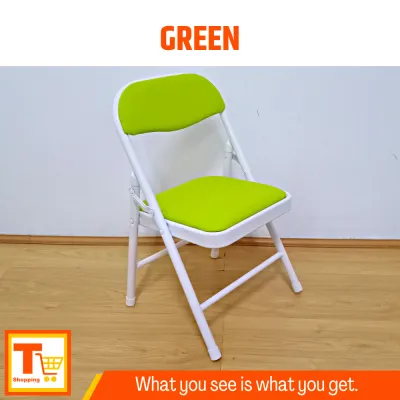

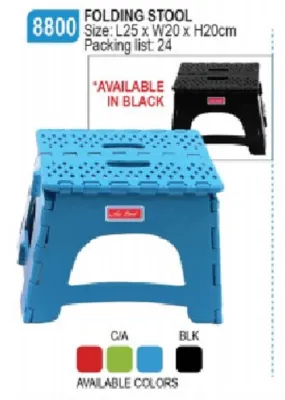
Prices are valid at publication and may change. Please refer to the product page for the latest price.
Next, evaluate your child’s total height and torso length to determine the necessary backrest height. Have your child sit up straight against a wall and measure from the seat surface to the middle of their shoulder blades. A supportive backrest should reach at least this height to provide adequate lumbar and upper-back support. If the backrest is too short, it will fail to support the shoulders, leading to slouching; if it is too tall, it may push the head forward uncomfortably.
Finally, consider your child’s growth rate when deciding between a fixed-size mini chair and an adjustable model. Children grow in rapid, unpredictable spurts, meaning a fixed-size chair that fits perfectly today might become too small within a single school term. If you prefer a long-term investment, prioritize highly adjustable chairs that allow you to modify the seat height, seat depth, and backrest position as your child grows.
Measure the Study Desk and Available Space
A mini chair must function seamlessly with the study desk and the surrounding room. Begin by measuring the clearance height of the desk, which is the distance from the floor to the lowest point underneath the desktop, such as a drawer or support beam. The mini chair, including its seat and any armrests, must be able to slide completely under the desk when not in use. This is especially important in compact urban homes where maximizing floor space is a daily priority.

Next, check the overall height and depth of the study desk to verify compatibility with standard ergonomic ratios. A desk that is too high forces the child to raise their shoulders or rest their elbows at an awkward angle, while a desk that is too low causes them to hunch over. Ideally, when your child is seated in their mini chair with their feet flat on the floor, the desktop should align closely with their resting elbow height, allowing their forearms to rest comfortably on the surface.
Do not forget to evaluate the physical floor space around the study corner. A chair needs room to move; your child should be able to pull the chair out, sit down, and push themselves back in without bumping into walls, beds, or adjacent wardrobes. Ensure there is at least 60 to 70 centimeters of clear space behind the desk. If the study area is tight, a compact mini chair with a small footprint or an armless design will prevent the space from feeling cramped.
Match Chair Dimensions to Ergonomic Posture
Once you have gathered the necessary measurements, you can translate them into specific ergonomic standards for the mini chair. The primary goal is to achieve the “90-90-90” posture rule. This means the child’s ankles, knees, and hips should all be bent at approximately a 90-degree angle, with their feet resting completely flat on the floor. If the seat height is correct, the thighs will remain parallel to the ground, distributing body weight evenly and reducing pressure on the lower back.
Seat depth is another crucial factor that is often overlooked. When your child sits all the way back against the backrest, there should be a small gap of about two to three fingers (approximately 2 to 5 centimeters) between the front edge of the seat and the back of their knees. If the seat is too deep, the edge will press against the back of their knees, restricting blood circulation and causing discomfort. If the seat is too shallow, it will not support enough of their thighs, leading to instability.
The backrest and armrests must also align with your child’s natural body shape. The backrest should feature a gentle curve that mirrors the natural S-shape of the spine, providing firm support to the lower lumbar region. If the mini chair includes armrests, they should be positioned at a height that allows your child’s shoulders to remain relaxed and down. Armrests that are too high force the shoulders to shrug, causing tension in the neck, while armrests that are too low offer no support and encourage leaning to one side.
Signs the Current Mini Chair Is the Wrong Size
It is common for parents to miss the subtle signs that a child has outgrown their current study chair. One of the most obvious indicators is a deterioration in study posture. If you notice your child frequently slouching, leaning to one side, or sitting with their legs crossed or tucked under them on the seat, the chair is likely no longer providing the correct support. Dangling legs are a clear sign that the seat is too high, which pulls the pelvis forward and strains the lower back.
Pay close attention to physical feedback and behavioral cues during study sessions. If your child complains of stiffness in their neck, tension in their shoulders, or a tingling sensation in their legs after sitting for just fifteen or twenty minutes, the chair’s dimensions are out of sync with their body. In warm, humid climates, physical discomfort is often amplified by heat buildup, leading to increased fidgeting, frequent standing up, or a general reluctance to sit at the desk to complete schoolwork.
Watch for compensatory behaviors that your child might adopt to cope with an ill-fitting chair. They might slide their hips forward to the very edge of the seat to let their feet touch the floor, completely abandoning the backrest. Alternatively, they might stack bed pillows or seat cushions on the chair to boost their height, which compromises stability and increases the risk of tipping over. If you observe any of these behaviors, it is time to reassess the setup.
Adjustments, Accessories, and Replacement Paths
If your diagnostic checks reveal that the current setup is not working, you have several paths to restore ergonomic comfort. First, explore the built-in adjustment mechanisms of your existing mini chair. Many modern kids’ chairs feature adjustable knobs, gas lifts, or sliding backrests. Take the time to fine-tune these settings to match your child’s current popliteal height and torso measurements, ensuring all locking mechanisms are securely tightened to maintain stability.
When a chair cannot be adjusted perfectly, high-quality accessories can bridge the gap. If the seat is too high to allow your child’s feet to touch the floor, but the desk height prevents you from lowering the seat, integrate a sturdy, non-slip footrest. A simple footrest, which can be purchased for around ₱500 to ₱1,000, provides the necessary elevation to keep the knees at a comfortable 90-degree angle. If the seat depth is too deep, adding a firm, breathable lumbar support cushion can help push your child forward slightly while keeping their spine supported.
Eventually, every child will outgrow their mini chair, making a replacement necessary. Plan to purchase a new chair when the current model’s physical adjustments have reached their maximum limits, or when the child’s weight approaches the manufacturer’s safe load capacity. When shopping for a replacement, prioritize durable materials that can withstand daily use and tropical humidity, and look for models with breathable mesh backrests to keep your child cool and comfortable during long study sessions.
Frequently Asked Questions (FAQ)
Should a mini chair have armrests for studying?
Whether a mini chair should have armrests depends largely on your child’s study habits and the design of your desk. Armrests can provide excellent support for the forearms during reading or typing, helping to relax the shoulders and neck muscles. However, fixed or wide armrests can prevent the chair from sliding fully under the desk, forcing the child to sit too far away from their work surface. If you choose a chair with armrests, look for adjustable or flip-up designs that offer flexibility without compromising desk clearance.
How often should I re-evaluate my child's chair size?
You should re-evaluate your child’s mini chair fit at least twice a year, ideally at the start of each major school term or after a noticeable growth spurt. Children can grow several centimeters in a short period, quietly throwing off their ergonomic alignment. Keep an eye out for sudden changes in their sitting habits, such as increased fidgeting or slouching, as these are immediate triggers that the chair needs to be adjusted or replaced to maintain proper posture.

Community discussion
Share your experience or ask a question. Comments are reviewed before publication.