
Choosing the right size high table bar counter modern for your patio or balcony requires balancing your available floor area with comfortable clearances for seating and movement. In compact spaces like urban balconies or sprawling backyard patios, a high table elevates your outdoor dining experience, but success depends on precise spatial planning. The ideal setup leaves at least 75 to 90 centimeters of walking clearance around the table and matches the height of your stools to the table underside, ensuring a functional, traffic-friendly layout.
By understanding standard furniture dimensions and calculating the physical footprint of both the table and its accompanying chairs, you can avoid common spatial design pitfalls. This guide will walk you through the essential steps to measure your space, select the appropriate seating capacity, and maintain comfortable clearances for a seamless outdoor dining experience.
How to Measure Your Patio or Balcony for a High Table
Before browsing online catalogs or visiting showrooms, you must determine the exact physical limits of your outdoor area. Begin by measuring the total length and width of the usable floor space with a steel measuring tape. It is critical to measure only the actual floor area where furniture can realistically sit, excluding permanent fixtures such as built-in planters, heavy outdoor grills, drainage grates, or structural columns.
Products mentioned in this guide
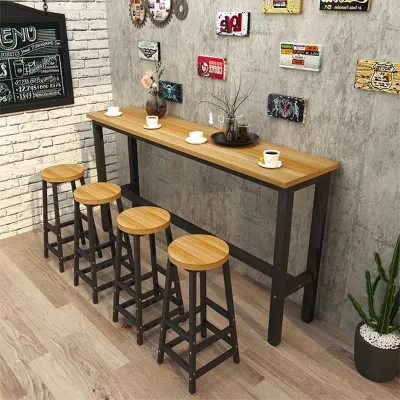
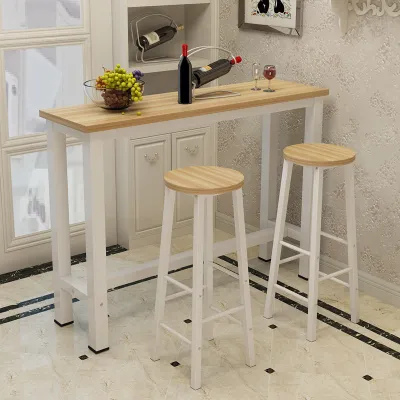
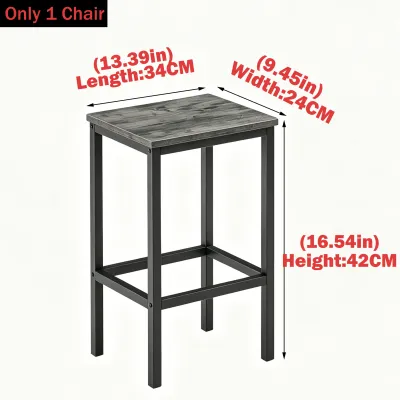
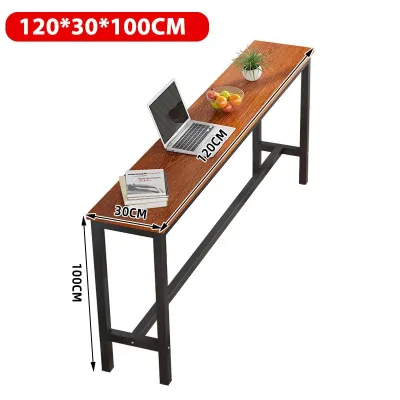
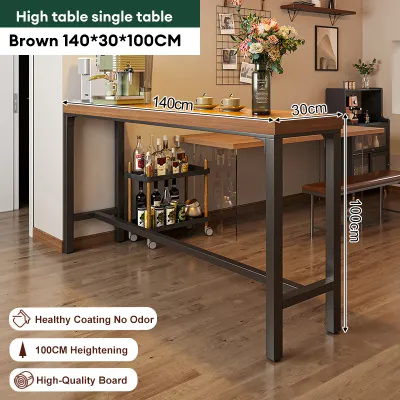
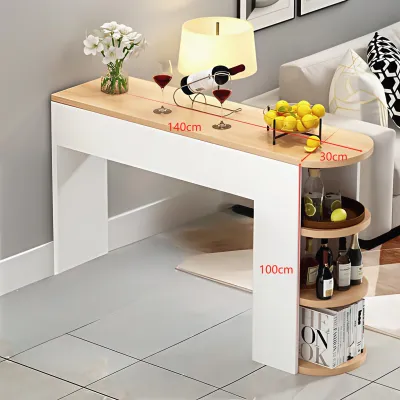
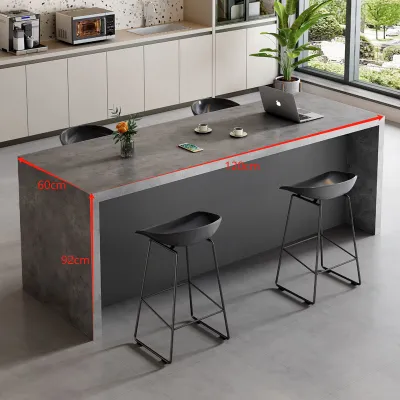
Prices are valid at publication and may change. Please refer to the product page for the latest price.
Architectural features often dictate how much space is truly available. Pay close attention to the swing path of doors opening onto the balcony or patio. Sliding glass door tracks require clear access, and any inward-swinging railings or gates must be able to open fully without striking your furniture. Additionally, locate your outdoor air conditioning condenser unit; these units not only occupy physical floor space but also vent hot air, meaning you must position your high table far enough away to ensure a comfortable dining environment.
Once you have your maximum dimensions, map out the proposed footprint of the table on the floor. You can use painter’s tape, chalk, or laid-out cardboard sheets to represent the physical boundaries of the table and stools. This simple exercise helps you visualize how much room remains for walking and prevents the common mistake of buying furniture that blocks natural pathways.
Finally, do not forget to plan for the delivery and installation process. Measure the width and height of all doorways, narrow hallways, corner turns, and elevator lifts that the furniture must pass through to reach your patio or balcony. If a modern high table features a solid, non-demountable frame or a heavy stone top, verifying these access dimensions beforehand is just as important as measuring the balcony itself.
Standard Dimensions for Modern Outdoor Bar Counters
When shopping for a high table bar counter modern, you will generally encounter two primary height categories: counter-height and bar-height. Counter-height tables typically stand between 89 and 91 centimeters tall and pair with stools that have seat heights of 60 to 62 centimeters. Bar-height tables are taller, ranging from 104 to 107 centimeters, and require stools with seat heights of 74 to 76 centimeters. Choosing between them often depends on your view; bar-height tables elevate your line of sight over standard balcony railings, while counter-height tables offer a slightly lower profile that can make a small patio feel more open.

Table depth is another critical dimension that dictates how you will use the space. Narrow high tables, with depths ranging from 35 to 45 centimeters, function exceptionally well as drink ledges or laptop bars against a railing. However, if you plan to host full dinners or place shared serving platters in the center of the table, you will need a wider surface depth of at least 60 to 75 centimeters to accommodate plates, glassware, and centerpieces comfortably.
Modern high table designs frequently showcase sleek, minimalist aesthetics, utilizing central pedestal bases or thin, streamlined legs. While these designs maximize legroom, you must check the base spread of the table. A table with a central pedestal might have a wide, heavy metal plate at the bottom to ensure stability. This base plate must sit flat on your patio floor and should not interfere with the feet of your bar stools or create a tripping hazard.
Stability is a major consideration for outdoor furniture, especially on high-rise balconies or open patios exposed to strong tropical winds. High tables have a higher center of gravity than standard dining tables, making them more susceptible to tipping. Look for tables with heavy-duty frames, or check if the design allows for anchoring to the deck or wall. While materials like powder-coated aluminum, stainless steel, and premium hardwoods are common, their weather resistance depends heavily on the quality of their protective finishes, welded joints, and regular care routine rather than the material name alone.
Choosing the Right Seating Capacity for Your Space
Selecting the correct seating capacity prevents your outdoor area from feeling overcrowded while ensuring you can comfortably host guests.
Compact Balconies: 2-Seat High Tables
For narrow balconies or small condo terraces, a two-seat high table is the most efficient configuration. A rectangular table measuring approximately 90 to 100 centimeters in length and 40 to 50 centimeters in depth can be pushed directly against a wall or secured to a balcony railing. This setup preserves precious floor space while providing a cozy spot for morning coffee or evening drinks.
To maximize versatility, look for drop-leaf or folding modern bar counters. These designs allow you to fold down the tabletop when not in use, opening up the balcony for plants or drying racks. When guests arrive, simply raise the leaf and pull out a second stool. Storing folding stools nearby or choosing tuck-away designs that slide completely underneath the table frame when not in use will keep your compact balcony organized and clutter-free.
Medium Patios: 4-Seat Bar Counters
Medium-sized patios can comfortably accommodate a four-seat high table configuration. A square table measuring 90 by 90 centimeters, or a rectangular table measuring roughly 120 to 140 centimeters in length and 70 to 80 centimeters in depth, works best for this layout. This size allows for two seats on each side or one seat on each of the four sides, creating a more conversational dining dynamic.
When integrating a four-seat bar counter into a medium patio, balance is key. Ensure the high table does not crowd adjacent outdoor furniture, such as lounge chairs or sun loungers. Maintaining a consistent design language, such as matching the metal finishes or wood tones of your high table with your existing patio set, helps create a cohesive, visually balanced layout that feels intentional rather than cluttered.
Larger Gardens: Extended or 6-Seat Configurations
If you have a spacious garden, deck, or large poolside patio, an extended six-seat high table makes an excellent focal point. These tables typically measure 180 to 200 centimeters in length and 80 to 90 centimeters in depth. The generous length allows you to line up three stools on each side, or place two on each side and one at each end, provided the table base design permits end-seating.
In larger spaces, an extended high table can double as an outdoor buffet station or a secondary food preparation area next to a barbecue grill. To keep the table from overwhelming your garden landscape, position it along the perimeter of your main gathering area or use it to divide different functional zones, such as separating an outdoor kitchen from a lounging lawn. Ensure there is plenty of open space around the table to preserve the natural flow of your garden.
Essential Clearances for Stools and Traffic Flow
To ensure your high table area is comfortable and safe to navigate, you must plan for specific clearances around the furniture. The most critical measurement is the pull-out distance required for stools. A person needs approximately 60 to 75 centimeters of space behind the table to pull out a stool, sit down, and tuck themselves back in comfortably. If you choose modern bar stools with wide bases, armrests, or heavy backrests, you may need to allocate up to 80 centimeters of clearance to prevent the chairs from hitting walls or railings.
Walkway clearance behind seated guests is equally vital for maintaining a safe patio layout. To prevent tripping hazards and allow people to pass by without forcing the seated guest to move, maintain a clear walkway of 75 to 90 centimeters behind the fully extended stools. This is especially important on balconies where the walkway connects the indoor living room to other outdoor features.
Legroom is another factor that directly impacts comfort. To sit comfortably without your knees knocking against the underside of the table, ensure there is a gap of 25 to 30 centimeters between the top of the stool seat and the underside of the tabletop. If your modern high table features a thick concrete countertop, a deep support apron, or low-running crossbars, measure from the lowest point of these structural elements rather than the top surface of the table to calculate your actual legroom.
Common Sizing Mistakes When Buying Outdoor High Tables
A frequent mistake when purchasing outdoor high tables is measuring only the tabletop dimensions while ignoring the wider footprint of the table’s base and the stools. Some modern high tables feature splayed legs that extend outward beyond the edges of the tabletop. Always use the widest point of the furniture piece—whether it is the leg base or the tabletop—as your primary measurement for spatial planning.
Another common error is placing high tables too close to high-traffic doorways, such as the main sliding glass door leading from the kitchen to the balcony. This creates immediate bottlenecks, making it difficult to carry trays of food or step outside without squeezing past seated guests. Keep a clear zone of at least 100 centimeters in front of primary doorways to maintain a smooth transition between your indoor and outdoor spaces.
Finally, avoid choosing visually heavy, solid-block designs for small balconies or tight patio corners. Even if a bulky, solid-wood or dark synthetic wicker high table technically fits within your measured boundaries, its visual weight can dominate the area, making your outdoor space feel cramped and restricted. For smaller areas, opt for high tables with slender metal frames, open bases, or light-colored finishes that allow light to pass through, preserving a sense of spaciousness.
Frequently Asked Questions (FAQ)
What is the difference between counter height and bar height?
Counter-height tables typically stand between 89 and 91 centimeters tall and pair with stools that have seat heights of 60 to 62 centimeters. Bar-height tables are taller, usually measuring between 104 and 107 centimeters, and require stools with seat heights of 74 to 76 centimeters. For comfortable seating, always maintain a gap of 25 to 30 centimeters between the top of the stool seat and the underside of the table.
How much space do I need behind a bar stool?
You need a minimum of 60 to 75 centimeters of clearance directly behind a high table to pull out a stool and sit down comfortably. To maintain a safe, unobstructed walkway behind a seated guest, allocate an additional 75 to 90 centimeters of clear space. This prevents bottlenecks and ensures safe traffic flow, especially near outward-swinging doors or balcony railings.
Community discussion
Share your experience or ask a question. Comments are reviewed before publication.