
Finding the perfect outdoor coffee table for a small condo balcony requires a careful balance between functionality and physical space. In a compact outdoor setting, every square centimeter counts, and an oversized table can quickly turn a relaxing retreat into an obstacle course. To make your balcony both comfortable and practical, you must select a table size that leaves ample room for movement while still serving as a convenient spot for your morning coffee or evening drinks.
The key to successful small-space planning is prioritizing clearance and flow. A table that is too large will block walkways, make seating difficult to access, and make the entire balcony feel cramped. By understanding how to measure your space, choose the right shapes, and select space-saving designs, you can create a balanced and inviting outdoor lounge area that maximizes your condo’s limited footprint.
Quick Sizing Guidelines for Compact Balconies
To establish a comfortable layout, you must first understand the concept of negative space. Negative space refers to the empty areas around your furniture that allow the eye to rest and people to move freely. On a small balcony, maintaining clear, unobstructed walkways is essential for safety and comfort. As a general guideline, you should aim to leave at least 45 to 60 centimeters of open space between your outdoor coffee table and any surrounding walls, railings, or other furniture pieces.
Products mentioned in this guide
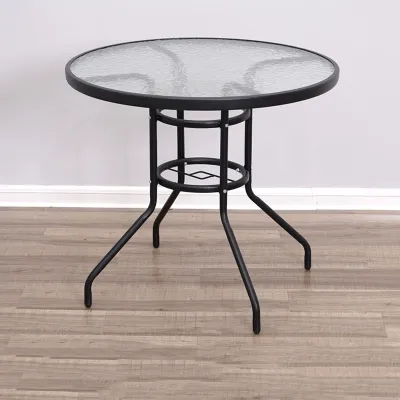
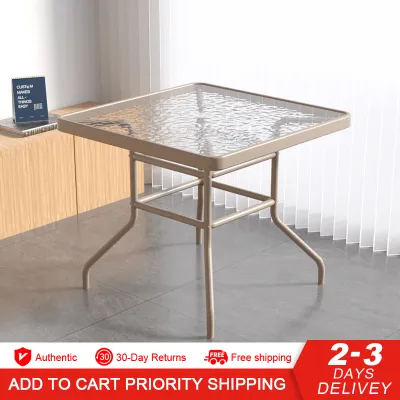
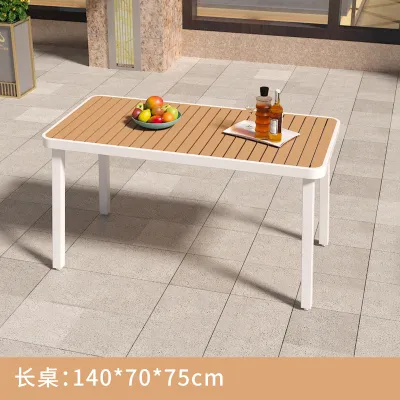
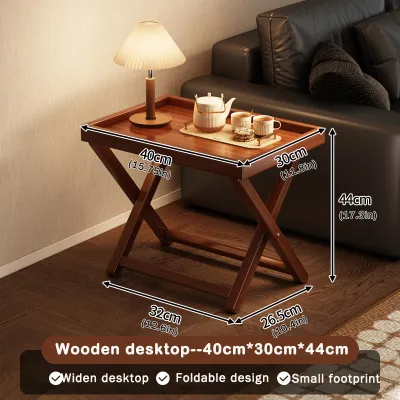
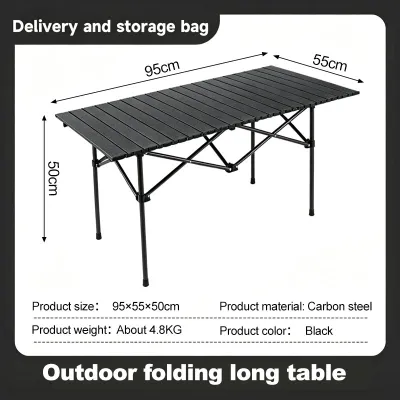
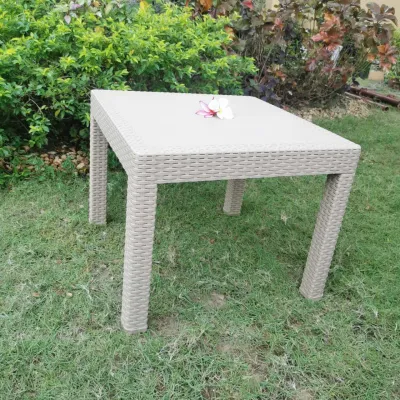
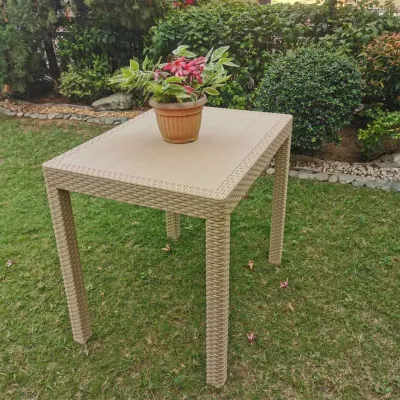
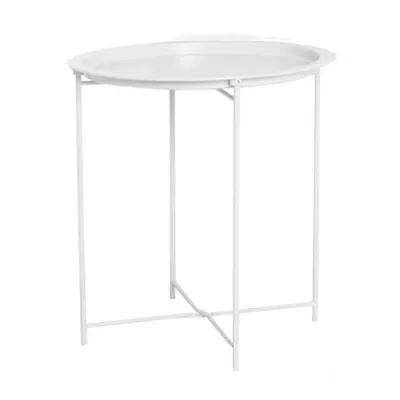
Prices are valid at publication and may change. Please refer to the product page for the latest price.
Proportioning your table relative to your seating is another critical factor. An outdoor coffee table should complement your chairs or sofa, not dominate them. Ideally, the height of the table should sit within 5 centimeters of your seating cushions, usually averaging between 40 and 50 centimeters tall. This height ensures that reaching for a drink or book feels natural and comfortable. Additionally, the length of the table should not exceed two-thirds of the total length of your outdoor sofa or seating arrangement to keep the layout visually balanced.
While general sizing rules are helpful, rigid size thresholds often fail when applied to real-world condo balconies. Every balcony has its own unique architectural features, such as deep railings, structural columns, or irregular angles, which can significantly alter the usable floor area. For instance, a wide concrete railing might eat into your overhead space, while a recessed corner might limit where you can place seating. Therefore, you must evaluate your specific balcony shape rather than relying solely on standard furniture dimensions.
Step-by-Step Balcony Measurement and Layout Planning
Before browsing online marketplaces or visiting furniture showrooms, you need to gather precise measurements of your balcony. Start by clearing the area and using a metal tape measure to record the total length and width of the floor space. Do not simply measure from wall to wall; you must account for structural elements that project into the space. Take note of inward-opening glass doors, sliding door tracks, structural pillars, and wall-mounted utility boxes, as these will restrict where your furniture can safely sit.

Once you have your base measurements, map out your seating zones on paper or using painter’s tape directly on the balcony floor. Position your primary chairs or outdoor sofa first, as these are typically the largest pieces of furniture. After placing your seating, calculate the remaining space for your outdoor coffee table. To ensure you can sit comfortably without your knees knocking against the table edge, maintain a clearance of 30 to 45 centimeters between the front of your seat cushions and the edge of the table.
Finally, always check your condominium corporation or building administration guidelines before making a purchase. Many high-rise residential buildings enforce strict rules regarding balcony furniture to ensure safety and structural integrity. These regulations may include maximum weight limits per square meter, restrictions on tall or lightweight items that could be caught by high winds, and requirements for anchoring furniture during severe weather. Verifying these rules early prevents you from buying a table that violates building policies.
Choosing the Right Table Shape for Your Layout
The shape of your outdoor coffee table plays a major role in how traffic flows across your balcony and how spacious the area feels. Round or oval tables are highly recommended for tight spaces and high-traffic zones. Because they lack sharp corners, they allow you to navigate narrow pathways smoothly without the risk of painful bumps. The curved lines of a round table also help soften the rigid, boxy architecture common in modern condo designs, creating a more relaxed and organic atmosphere.
If you have a long, narrow balcony or utilize a modular outdoor sectional, a square or rectangular table may be a more efficient choice. These linear shapes align perfectly with the straight edges of your balcony walls and railings, allowing you to maximize every corner. A rectangular table can easily be pushed flush against a railing or wall when you need to clear a central walkway for entertaining or cleaning, offering excellent layout flexibility.
Beyond physical dimensions, the visual weight of your table affects the perception of space. Visual weight refers to how heavy or bulky an object looks. A solid, block-style coffee table made of heavy concrete or thick timber can make a small balcony feel crowded and dark. On the other hand, tables with slender powder-coated metal frames, open wire bases, or glass tops allow light and air to pass through. This transparency keeps the balcony feeling open, airy, and larger than it actually is.
Space-Saving Designs for Tight Outdoor Areas
When space is at a premium, choosing furniture with built-in flexibility can make a significant difference. Nesting outdoor coffee tables are an excellent solution for small balconies. These sets typically consist of two or three tables of graduating sizes that slide completely underneath one another. You can keep them stacked to save floor space during your daily routine, then slide them out to create additional surface area when hosting guests or enjoying an outdoor meal.
Another highly effective option is a folding, drop-leaf, or wall-mounted balcony table. Wall-mounted tables can be folded flat against the railing or wall when not in use, completely freeing up your balcony floor space. When shopping for folding or wall-mounted designs, pay close attention to the quality of the hardware. Look for heavy-duty hinges and brackets made of marine-grade stainless steel or rust-resistant brass, which can withstand constant exposure to outdoor humidity and rain without seizing or degrading.
Dual-purpose designs are also incredibly valuable for maximizing utility in limited spaces. Consider an outdoor coffee table that doubles as a storage chest or features a lift-top mechanism. A storage table provides a dry, secure place to keep outdoor cushions, gardening tools, or cleaning supplies, eliminating the need for a separate storage box. When selecting a storage or lift-top table, always verify the manufacturer’s weight limits and ensure you have enough vertical clearance to open the lid safely without hitting low-hanging wall lights or railings.
Common Sizing and Clearance Mistakes to Avoid
One of the most common mistakes in balcony planning is blocking essential utilities and access points. When positioning your outdoor coffee table, ensure it does not obstruct sliding door tracks, floor drainage scuppers, or the ventilation path of outdoor air conditioning condenser units. Blocking drainage can lead to standing water during heavy downpours, while restricting AC airflow can cause your cooling system to overheat and fail.
Another frequent oversight is failing to plan for the delivery process. A table might fit perfectly on your balcony, but it must first get there. Measure the height, width, and depth of your building’s service elevators, narrow stairwell turns, and the main balcony doorway. If a table arrives fully assembled and cannot clear these tight spaces, you may face costly return fees. Opting for flat-packed furniture that you assemble directly on the balcony is often the safest approach for high-rise living.
Lastly, do not forget to account for the space required to move around your furniture naturally. If you have to step sideways, squeeze against the railing, or pull your knees to your chest just to sit down, your coffee table is too large. Always prioritize comfortable clearance over maximum surface area. A smaller, well-proportioned table will always provide a more enjoyable outdoor experience than a large table that congests your limited living space.
Frequently Asked Questions (FAQ)
Can I use an indoor coffee table on my condo balcony?
Using an indoor coffee table on an outdoor balcony is generally not recommended. Indoor furniture is not built to withstand outdoor elements and lacks the specialized UV stabilizers, rust-resistant hardware, and water-repellent finishes required for outdoor survival. High humidity, direct sunlight, and rain will quickly warp wood, degrade glues, and cause metal components to rust. Always check the manufacturer’s product label to confirm the item is explicitly rated for outdoor use before placing it on your balcony.
What is the best material for a small balcony coffee table in the Philippines?
In the tropical climate of the Philippines, you should look for materials that can withstand high humidity, intense sun, and heavy seasonal rainfall. Powder-coated aluminum, synthetic polyethylene (PE) rattan, and high-density polyethylene (HDPE) lumber are highly durable options that resist rust, fading, and moisture damage. When selecting a table, review the manufacturer’s care instructions to ensure the material matches your maintenance preferences and can be easily cleaned with mild soap and water.
Community discussion
Share your experience or ask a question. Comments are reviewed before publication.