
Selecting a reliable plastic cabinet for clothes requires balancing your room’s physical layout with your actual storage needs. In the Philippines, plastic cabinets are popular bedroom furniture choices because they resist moisture, rust, and pests better than untreated wood or metal in tropical climates. However, finding the right size involves more than picking a model that looks spacious on an online marketplace or in a local showroom. You must carefully calculate your available floor area, account for necessary clearances, and estimate your total wardrobe volume to ensure a perfect fit.
Measure Your Room Space and Required Clearances
Before browsing cabinet models, you must determine the exact physical limits of the space where the cabinet will stand. Use a metal measuring tape to record the width and depth of the designated floor area. Do not assume your walls are perfectly straight; concrete walls in many homes can have slight irregularities. Take measurements at the floor level, middle, and top of the wall to identify the narrowest point, and subtract at least one to two centimeters to account for baseboard thickness or wall unevenness.
Vertical clearance is equally critical, especially if you plan to position the cabinet under a loft bed, near a ceiling fan, or in a room with a sloped ceiling. Measure the height from the floor to the lowest overhead obstruction. If the cabinet stands tall, you will need a few centimeters of extra clearance at the top to tilt and maneuver the unit into place during assembly.
Products mentioned in this guide
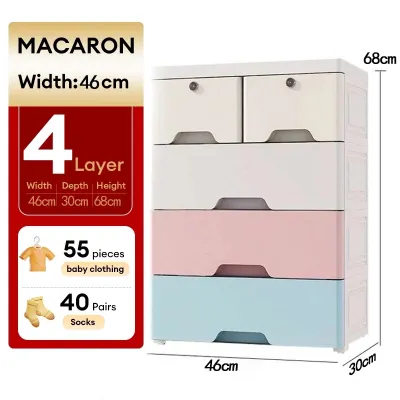
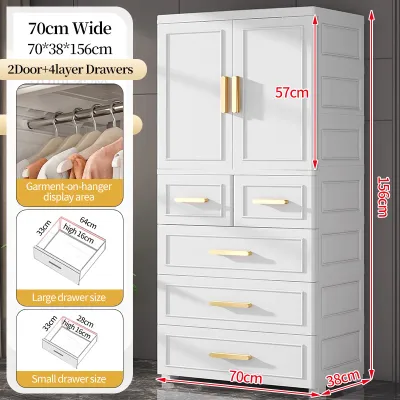
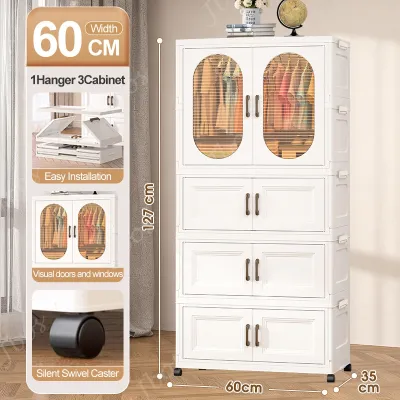
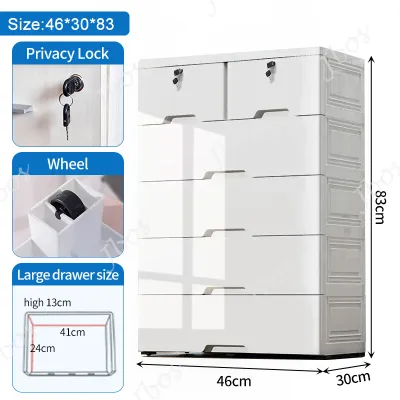
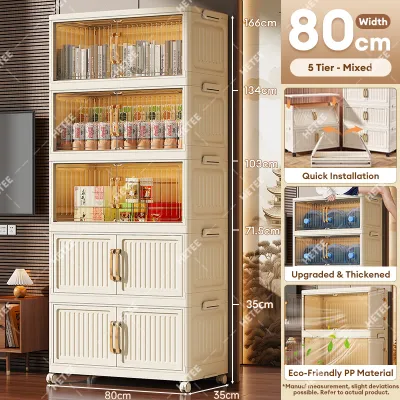
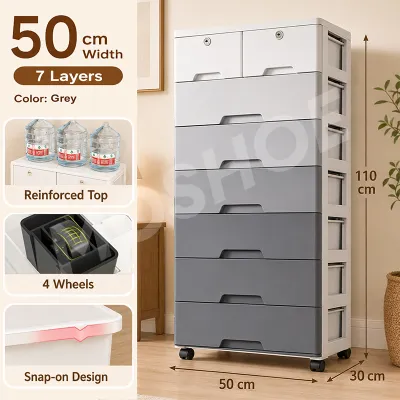
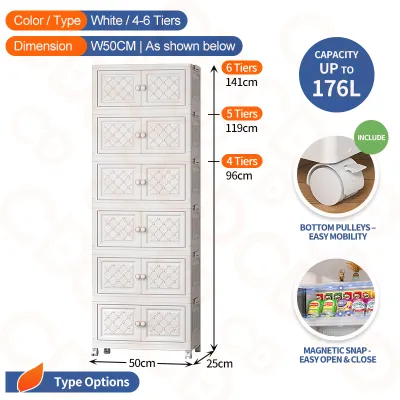
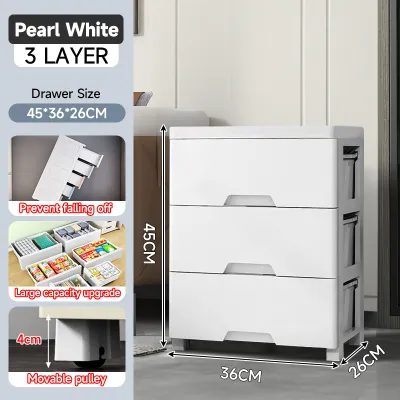
Prices are valid at publication and may change. Please refer to the product page for the latest price.
You must also plan for the physical movement of doors, drawers, and people. A cabinet with swing-out doors requires a clear semi-circular space in front of it equal to the width of the doors. Drawers must be able to extend fully without hitting your bed frame, desk, or bedside table. Additionally, measure the width of your hallways, stairwells, and bedroom doors to guarantee that the cabinet panels or flat-pack boxes can easily pass through during delivery and installation.
Finally, factor in ventilation gaps to protect your walls and clothes from humidity. In tropical climates, pushing a plastic cabinet directly flush against a concrete wall traps cool air and moisture, creating an ideal breeding ground for mold and mildew. Leave a gap of at least 5 to 10 centimeters between the back of the cabinet and the wall, as well as on the sides, to maintain healthy airflow.
Estimate Your Clothing Volume and Storage Needs
Once you know how much space your room can spare, you must evaluate your wardrobe to determine the internal storage capacity you require. Begin by dividing your clothes into two main categories: garments that must be hung and garments that can be folded. Items like formal dresses, barongs, delicate blouses, and structured jackets require a hanging rod, while t-shirts, shorts, jeans, and undergarments are best suited for drawers or flat shelves.

To estimate your required hanging space, measure the total width of your current closet rod that is actively occupied by clothes. For example, if your hanging clothes span 60 centimeters, you will need a cabinet with a hanging compartment of at least that width. To estimate folded clothing capacity, count the number of stacks you currently have. A standard cabinet shelf can typically accommodate two side-by-side stacks of folded t-shirts, with each stack standing about 10 to 15 shirts high.
Do not forget to account for seasonal wardrobe shifts and future purchases. Although the Philippines has a warm climate year-round, the rainy season demands bulkier items like sweaters, light jackets, umbrellas, and extra blankets. Always leave a 10% to 20% capacity buffer in your calculations. An overcrowded cabinet places unnecessary stress on the plastic drawers and makes daily organization highly inconvenient.
Lastly, decide if the cabinet will house non-clothing items. Storing shoes, handbags, bed linens, or bath towels in the same unit requires deeper shelves or dedicated bottom-tier drawer modules. Since these items are often heavy or bulky, identifying them early ensures you choose a cabinet layout designed to support their specific weight and shape.
Match Cabinet Dimensions and Layout to Your Wardrobe
With your room measurements and clothing volume in hand, you can now match these requirements to specific plastic cabinet dimensions and configurations. Tall, narrow cabinets, such as four-tier or five-tier drawer units, are excellent for maximizing vertical space in small studio apartments or tight bedroom corners. Wide, low-profile cabinets work well under windows or can double as a bedroom console table. Always verify the exact external dimensions on the manufacturer’s product label rather than relying on generic size descriptions.
The internal layout of the cabinet must align with your calculated hanging-to-folding ratio. If your wardrobe consists mostly of casual wear, look for units composed entirely of drawers or close-set shelves. For a mixed wardrobe, hybrid designs featuring a hanging rod on one side and drawers or adjustable shelves on the other are ideal. Many plastic cabinets feature modular designs, allowing you to customize the internal setup to fit longer dresses or bulky storage boxes.
You must also pay close attention to the weight capacity and structural limits of the plastic. Unlike wood or steel, plastic shelves can bow or warp if they are overloaded. Check the manufacturer’s load rating, which is typically specified in kilograms per shelf (often ranging from 5 to 15 kilograms). Plan to distribute weight evenly, placing heavier items like denim jeans, bed sheets, and shoes on the bottom shelves, while reserving upper shelves for lighter garments.
Consider the cabinet’s material care and the environment where it will be placed. While plastic is naturally moisture-resistant, prolonged exposure to direct sunlight can cause the material to become brittle or fade. Check the manufacturer’s care instructions to see if the plastic has UV-stabilizing properties if you plan to position it near a sunlit window. Regular cleaning with a damp cloth and mild detergent will keep the surfaces in good condition without degrading the plastic finish.
Avoid Common Sizing and Placement Mistakes
Avoiding common installation and placement errors will ensure your cabinet remains safe, functional, and durable over time. One frequent mistake is ignoring door and drawer swing clearances. Purchasing a cabinet that fits the floor footprint but blocks bedroom entryways or prevents closet doors from opening fully makes the furniture highly frustrating to use. Always simulate the fully opened state of all doors and drawers before finalizing the placement.
Overloading plastic shelves is another critical error that compromises the cabinet’s structural integrity. Exceeding the manufacturer’s weight limit causes the plastic to sag, which can permanently warp the frame, damage the joints, and prevent doors or drawers from closing flush. If you notice any bowing, immediately redistribute the weight or move heavier items to a different storage location.
Never skip anti-tip precautions, particularly with tall, narrow plastic cabinets. These units are lightweight when empty but can become highly top-heavy when fully loaded with clothes. Pulling out multiple drawers at once shifts the center of gravity forward, creating a severe tip-over hazard. Always follow the manufacturer’s assembly instructions and use the provided wall-anchoring kits to secure the unit firmly to the wall.
Finally, avoid placing your cabinet directly in front of windows, air conditioning units, or ventilation grilles. Blocking these areas restricts natural light and disrupts the room’s airflow. In tropical environments, blocking an AC vent can cause localized temperature drops and condensation on the plastic cabinet, leading to dampness inside the drawers and potential damage to your stored garments.
Frequently Asked Questions (FAQ)
Can I add more shelves to a plastic cabinet later?
Many modular plastic cabinets allow you to add extra shelves or stack additional drawer modules, provided the manufacturer sells compatible add-on parts. However, you must check the overall weight capacity of the frame and the base before adding height. Avoid modifying the plastic frame by drilling custom holes or forcing incompatible parts, as this can compromise structural stability, risk collapse, and void the manufacturer’s warranty.
How do I prevent a tall plastic cabinet from tipping over?
To prevent a tall cabinet from tipping, always secure the unit to the wall using the manufacturer-provided anti-tip brackets and wall anchors. Additionally, practice smart weight distribution by placing your heaviest items, such as shoes, thick denim, and heavy bedding, on the bottom shelves or lowest drawers. This lowers the cabinet’s center of gravity, significantly improving its stability and safety.
Community discussion
Share your experience or ask a question. Comments are reviewed before publication.