
Choosing the right size plastic wardrobe cabinet for your bedroom requires balancing your physical floor space with your actual storage needs. In a typical home, where room layouts can be compact and humidity levels fluctuate, selecting a wardrobe that is too large can restrict movement, while one that is too small leads to cluttered living spaces. To find the perfect fit, you must evaluate your room’s precise dimensions, plan for door and drawer clearances, and map out your clothing inventory.
Plastic wardrobe cabinets offer a lightweight, budget-friendly, and moisture-resistant alternative to traditional wooden furniture. However, because plastic has different structural properties than wood or metal, choosing the correct size involves specific considerations regarding weight distribution and stability. By taking accurate measurements and understanding how different cabinet configurations utilize space, you can select a unit that keeps your clothes organized and your bedroom functional.
Assess Your Bedroom Space and Clearance Requirements
Before browsing online marketplaces or visiting local home improvement stores, you must determine the exact footprint your bedroom can accommodate. Start by using a steel measuring tape to measure the length and width of the available floor area. Do not rely on visual estimation, as even a discrepancy of a few centimeters can prevent a cabinet from fitting into its designated spot.
Products mentioned in this guide
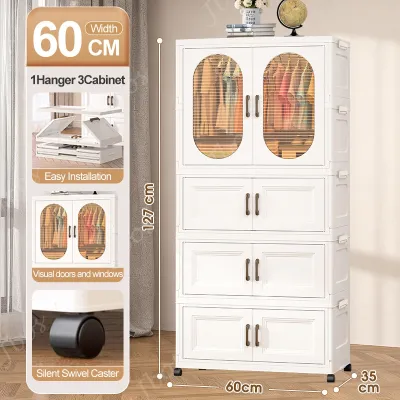
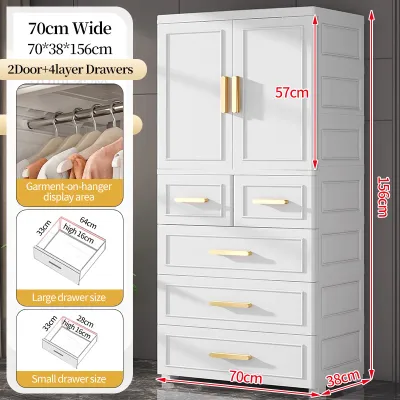
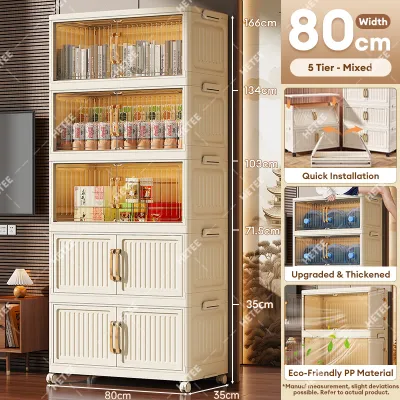
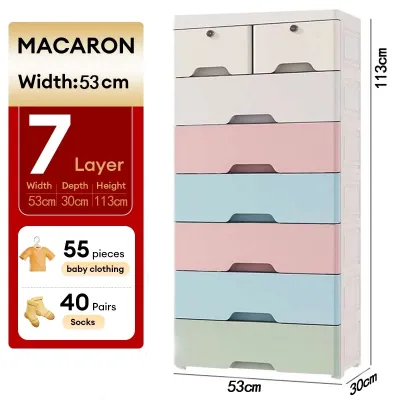
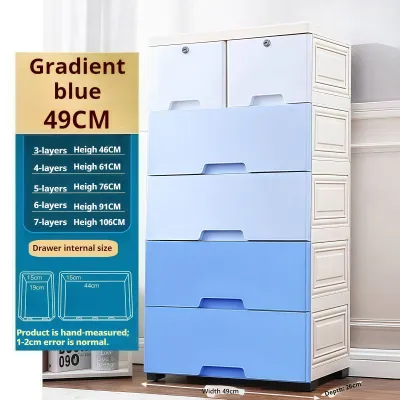
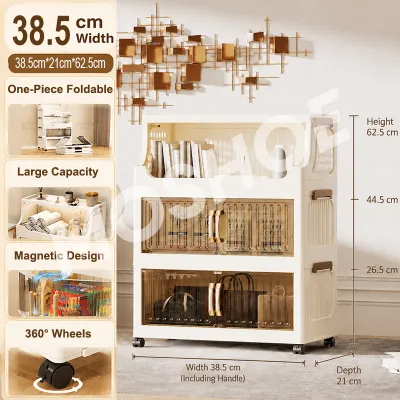
Prices are valid at publication and may change. Please refer to the product page for the latest price.
Next, measure the ceiling height from the exact spot where the wardrobe will stand. In many homes in the Philippines, architectural features like low ceilings, decorative crown molding, or wall-mounted air conditioning units can limit the height of your furniture. Be sure to identify the locations of wall outlets, light switches, and wall-mounted fans, ensuring the wardrobe will not block access to these essential fixtures.
Measuring the static footprint of the wardrobe is only the first step; you must also account for the dynamic space required during daily use. If you select a cabinet with hinged doors, measure the full swing radius of the doors to ensure they can open completely without hitting your bed, desk, or adjacent walls. For units featuring pull-out drawers, add the full extension length of the drawers to the base depth of the cabinet to verify you have enough standing room to access your clothes comfortably.
Do not overlook the delivery and assembly pathway. Many plastic wardrobes are delivered flat-packed, but the packaging boxes can still be bulky and difficult to maneuver. Measure the width of your front door, hallway corridors, and any stairwells to guarantee the components can safely reach your bedroom. If you are purchasing a pre-assembled plastic cabinet, these entryway measurements are even more critical.
Finally, inspect the levelness of your bedroom floor. While plastic cabinets are lighter and easier to move than wooden wardrobes, their frames are also more flexible. Placing a plastic wardrobe on an uneven tiled or wooden floor can cause the frame to twist slightly over time. This twisting misaligns the doors and drawers, preventing them from closing tightly and potentially compromising the structural integrity of the unit.
Estimate Your Storage Capacity Needs
To choose a wardrobe with the correct internal volume, you must analyze your current clothing inventory. Begin by separating your garments into categories based on how they need to be stored. Group your hanging items, such as school or office uniforms, formal wear like barongs, and long dresses, separately from your foldable items, such as t-shirts, shorts, denim jeans, and undergarments.

Once your clothes are categorized, estimate the total length of the hanging rod you will need. You can do this by measuring the collective width of your current hanging clothes while they are on hangers. Similarly, stack your folded clothes to estimate the total height and depth of shelf space required. If you plan to store bulky bedding, such as blankets or extra pillows, allocate dedicated shelf space for these larger items as well.
Weight distribution is a critical factor when organizing a plastic wardrobe cabinet. Unlike heavy wood furniture, lightweight plastic cabinets rely on a low center of gravity to remain stable. Plan to place your heaviest items, such as denim jeans, thick sweaters, and heavy bath towels, on the bottom shelves or in the lowest drawers. Reserve the upper shelves and the hanging rod for lighter items like cotton t-shirts, blouses, and summer wear.
Additionally, consider your future storage requirements and seasonal clothing rotations. In the Philippines, the transition between the hot dry season and the rainy season often requires storing different types of clothing and gear, such as heavy jackets, umbrellas, and extra bed linens. Choosing a wardrobe that offers a 10% to 15% capacity buffer ensures you will not pack the cabinet to its absolute limit, which can strain the plastic joints and shelves.
Match Common Plastic Wardrobe Dimensions to Your Space
Plastic wardrobe cabinets generally fall into three main size categories, each suited to different room layouts and storage volumes. Understanding these categories helps you narrow down your options quickly based on your initial bedroom measurements.
Compact and Single-Door Options
Compact plastic cabinets typically measure between 40 to 50 centimeters in width and 100 to 130 centimeters in height. These narrow, slim-profile units are ideal for tight corners, small rental rooms, boarding houses, or as supplementary storage in a shared bedroom.
Because of their limited width, single-door compact cabinets usually rely heavily on built-in drawers and adjustable shelves rather than hanging rods. They are highly efficient for storing folded clothes, children’s garments, activewear, and personal accessories without taking up valuable floor space.
Standard Double-Door and Multi-Tier Cabinets
Standard double-door plastic wardrobes are the most common choice for average-sized bedrooms. These units typically feature a width of 60 to 80 centimeters, a depth of 45 to 55 centimeters, and a height ranging from 150 to 180 centimeters.
This size category balances a manageable floor footprint with versatile storage options. Most standard double-door models feature a split internal layout, providing a dedicated hanging section on one side and a stack of shelves or drawers on the other, making them suitable for an adult’s daily wardrobe.
Modular and Stackable Storage Units
Modular plastic wardrobe systems consist of individual interlocking cubes or stackable drawer units that you can assemble in various configurations. These systems offer excellent flexibility, allowing you to build a storage setup that matches the unique shape of your room, such as under a sloped ceiling or alongside a low window.
When using modular systems, you must strictly follow the manufacturer’s guidelines regarding maximum stacking heights and interlocking mechanisms. While you can expand these units horizontally or vertically as your needs grow, exceeding the recommended height limits without proper wall anchoring can make the structure unstable.
Evaluate Internal Layout and Structural Stability
Before finalizing your purchase, examine the internal configuration of the plastic cabinet to ensure it matches your storage plan. Look for models that feature adjustable shelves. The ability to reposition shelves allows you to customize the height of each compartment, which is incredibly useful when transitioning from storing flat-folded t-shirts to taller items like storage boxes or boots.
Pay close attention to the design of the hanging rod. Because plastic is flexible, a standard plastic rod can bow or bend under the weight of multiple garments. Look for wardrobes that feature metal-reinforced hanging rods or rods with thick, heavy-duty plastic brackets that lock securely into the cabinet frame. Check the manufacturer’s specifications to confirm the maximum weight capacity of the rod.
Always verify the load capacity labels for individual shelves and drawers. High-quality manufacturers will explicitly state how many kilograms each shelf can safely support, which typically ranges from 5 to 15 kilograms depending on the plastic thickness and reinforcement. Overloading a shelf can cause the plastic panel to bow permanently, crack, or slip off its support pegs, potentially damaging your stored items.
Additionally, inspect the back and base panels of the wardrobe for structural reinforcements. Look for molded structural ribs or diagonal cross-bracing on the back panels, as these design elements prevent the cabinet from swaying side-to-side. A sturdy, reinforced base plate is also essential for keeping the entire frame square and preventing the doors from sagging or sticking.
Avoid Common Sizing and Placement Mistakes
One of the most frequent mistakes when placing a plastic wardrobe is ignoring the thickness of bedroom baseboards. If your room has thick baseboards, they will prevent the wardrobe from sitting completely flush against the wall. This creates a gap at the top, causing the lightweight cabinet to lean forward slightly, which increases the risk of the wardrobe tipping over when you open the doors.
Another common error is measuring only the static footprint of the cabinet while forgetting the clearance needed for daily use. Always ensure there is enough clearance in front of the wardrobe so you do not have to squeeze past your bed or other furniture when retrieving items from the lowest drawers or fully opened doors.
While plastic is naturally resistant to water damage, a tightly packed plastic cabinet can still trap humidity. In humid, tropical climates, poor air circulation inside a sealed plastic wardrobe can lead to musty odors, mildew, and mold growth on your clothes. To prevent this, leave a small gap of 2 to 5 centimeters between the back of the wardrobe and the bedroom wall, avoid placing the cabinet directly against damp exterior walls, and do not pack your clothes too tightly.
Finally, avoid using the top of the plastic wardrobe as an extra storage shelf for heavy items, such as loaded plastic basins, heavy travel bags, or stacks of books. Unless the manufacturer’s manual explicitly states that the top panel is reinforced for load-bearing storage, placing heavy objects on top can cause the panel to cave inward, which will misalign the doors and permanently damage the cabinet’s frame.
Frequently Asked Questions (FAQ)
Can I place a plastic wardrobe cabinet directly against a wall with baseboards?
No, placing a plastic wardrobe directly against a wall with baseboards is not recommended because the baseboards create a gap at the bottom of the unit. This gap prevents the back of the wardrobe from resting flat against the wall, causing the lightweight cabinet to tilt forward and creating a serious tipping hazard. To resolve this, check if the wardrobe model has a recessed base designed to clear standard baseboards, or use furniture shims to level and stabilize the cabinet.
How much weight can a typical plastic wardrobe hanging rod support?
The weight capacity of a plastic wardrobe hanging rod varies significantly based on its material, thickness, and mounting brackets. You must always consult the manufacturer’s manual or product label for the exact weight limit of your specific model. To prevent the rod from bowing or breaking, use it primarily for lighter garments like shirts, blouses, and light uniforms, while storing heavier items like denim jeans and thick towels on the lower shelves.
Community discussion
Share your experience or ask a question. Comments are reviewed before publication.