
To choose the right size portable folding table for a small balcony lounge, you must balance the physical footprint of the furniture with the clearance required for comfortable movement. In a compact outdoor space, a successful layout relies on leaving at least 50 to 60 centimeters of open walkway space around the table when it is fully unfolded. The ideal table should align with the height of your existing chairs—whether lounge, dining, or bar height—and fold down to a depth of under 15 centimeters so it can be stored easily without blocking doors or windows during sudden tropical downpours. By focusing on precise measurements, folding efficiency, and weather-resistant specifications, you can create a functional, relaxing retreat that does not feel cramped.
Assessing Your Balcony Space and Clearance
Before browsing online marketplaces, determine the exact physical limits of your balcony. Use a metal measuring tape to record the total floor area, rather than relying on eye estimates. Balconies in modern apartments often feature irregular shapes, structural columns, or safety railings that reduce the actual usable space. Identify and map out all fixed obstacles that cannot be moved, such as wall-mounted air conditioning compressors, drainage pipes, and built-in planters, which can make the immediate surrounding area uncomfortable for lounging.
Calculate the clearance required for walking paths and chair movement to ensure the balcony remains functional. To sit down comfortably, a person needs about 50 to 60 centimeters of clearance to pull out a chair without hitting the railing or the wall. If your balcony is narrow, consider a folding table that mounts directly to the railing, eliminating floor legs entirely. Finally, measure the access points leading to the balcony. Check the width of sliding glass doors, as you will likely need to bring the table indoors during severe weather events, such as typhoons.
Products mentioned in this guide
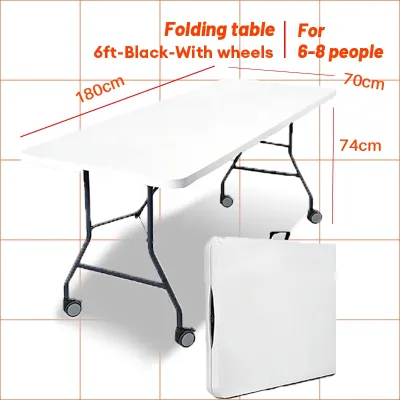
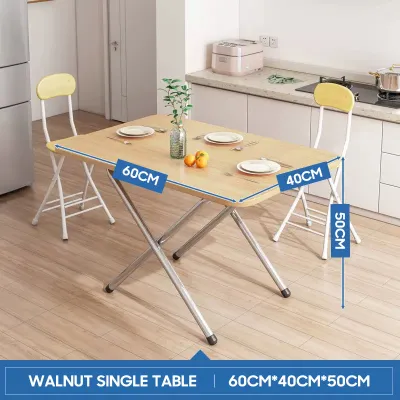
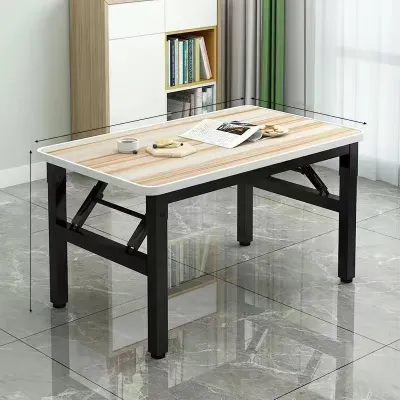
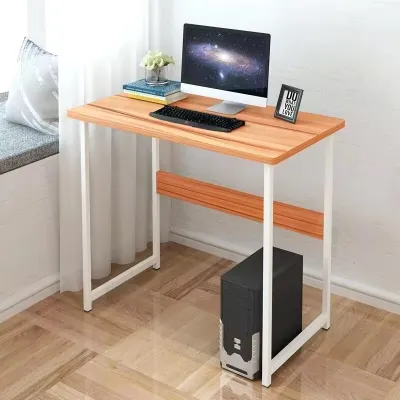
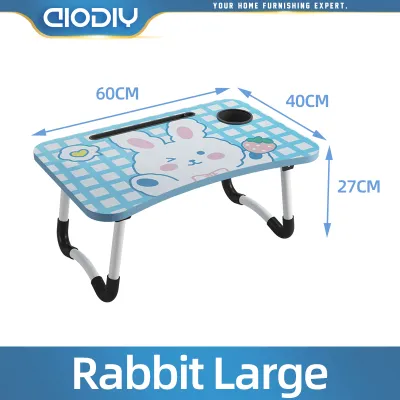
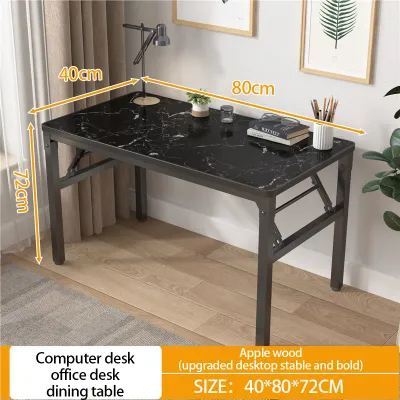
Prices are valid at publication and may change. Please refer to the product page for the latest price.
Matching Table Dimensions to Your Lounge Needs
Once you have established your balcony’s physical boundaries, match the table’s dimensions to your specific lounge activities. Start by comparing standard table height categories against your existing seating to ensure ergonomic comfort. A standard dining table height of 70 to 75 centimeters pairs best with traditional dining chairs, while a bistro or bar height of 90 to 105 centimeters is ideal for high stools. If you prefer a relaxed, low-profile setup with deep outdoor sofas or floor cushions, look for a coffee or lounge table height of 40 to 45 centimeters.

Estimate the surface area required for your typical daily activities. If your primary goal is to enjoy a morning cup of coffee or hold a book, a small round or square table with a surface area of 40 by 40 centimeters is usually sufficient. However, if you plan to share casual meals, work on a laptop, or host a friend for drinks, you will need a larger surface of at least 60 by 60 centimeters to accommodate plates, glasses, and electronic devices without crowding.
The shape of the table plays a critical role in how traffic flows through a narrow space. Square and rectangular tables are highly space-efficient because they can be pushed flush against a wall or railing when only one or two people are using them. Round tables lack sharp corners, making them much easier to navigate around in tight quarters, though they cannot sit completely flat against a straight wall. Additionally, a table with a solid, blocky base can make a small balcony feel visually crowded, whereas a table with slender metal legs or a slatted wooden top allows light and air to pass through, maintaining an open, airy feel.
Evaluating Folding Mechanisms and Storage Footprint
The choice of folding mechanism directly impacts how easily you can reclaim your balcony space when the table is not in use. Drop-leaf tables are an excellent semi-permanent option, featuring side panels that fold down while the central frame remains upright. This allows you to keep a narrow console table in place for daily use and quickly expand the surface area when guests arrive. For maximum space savings, fully collapsible tables fold completely flat, allowing you to store them out of sight when they are not needed.
Some models feature a bi-fold design, where the tabletop folds in half like a suitcase with a built-in carrying handle. Another option is a roll-up aluminum table, which separates into a folding frame and a slatted top that rolls into a compact carrying bag. Always verify the manufacturer’s specified folded dimensions and weight before making a purchase. A table that folds down to a depth of 10 centimeters or less can easily slide behind a door or fit into a narrow closet. Ensure the total weight of the table is manageable; a table weighing under 5 kilograms is generally easy for one person to lift, carry, and set up without assistance.
Inspect the locking mechanisms and hinges to confirm they operate smoothly and securely. Look for tables that feature safety locks or pins that hold the legs firmly in place when unfolded, preventing accidental collapse if the table is bumped. High-quality hinges should move without resistance and be designed to minimize pinching hazards during the folding and unfolding process.
Verifying Stability, Weight Capacity, and Outdoor Suitability
A balcony table must be stable and durable enough to withstand outdoor conditions, which requires careful verification of manufacturer specifications. Rather than assuming a table is durable based solely on its material name—such as teak, acacia, or aluminum—read the product label or manual for the maximum weight capacity. A reliable folding table should clearly state its weight limit, typically ranging from 15 to 50 kilograms. Check the base design and leg spread to assess how stable the table will be on your balcony. High-rise balconies are often subject to strong wind gusts, which can easily tip over lightweight furniture. A table with a wider leg base, non-slip rubber feet, or a design that allows you to anchor it to the railing offers significantly better stability.
Consider the slope of your balcony floor when evaluating stability. Most outdoor balconies are designed with a slight slope to allow rainwater to drain. To prevent your table from wobbling on an uneven surface, look for models equipped with adjustable leveling feet, which allow you to fine-tune the height of each leg individually. Review the manufacturer’s care instructions and weather resistance ratings to understand the maintenance required. In tropical climates with high humidity and intense sunlight, materials can degrade rapidly. Look for tables with UV-resistant coatings, rust-inhibiting powder finishes on metal frames, or water-resistant sealants on wood, and plan to use a protective cover or store the table indoors during prolonged periods of non-use.
Common Sizing and Placement Mistakes to Avoid
One of the most frequent errors when furnishing a small balcony is ignoring the visual bulk of the furniture frame. A table might technically fit within your measured floor dimensions, but if the frame is thick and solid, it can block natural light and make the entire lounge area feel cramped. Opting for minimalist designs with open frames helps preserve the visual flow of the space. Another critical mistake is blocking essential access routes, emergency exits, or drainage paths. Never place your folding table in a position that obstructs sliding doors, fire escape routes, or access to utility meters. Additionally, ensure the table legs do not block the balcony’s drainage grates, which can cause rainwater to pool.
Finally, avoid purchasing a table without physically mapping its footprint on your balcony floor first. It is difficult to visualize how much space a table actually occupies just by looking at numbers on a screen. Use masking tape or flattened cardboard boxes to recreate the table’s dimensions on the floor, and practice walking around the mockup to ensure you can move freely before finalizing your purchase.
Frequently Asked Questions (FAQ)
Can I use an indoor folding table on my balcony?
Indoor folding tables are generally not suitable for outdoor use because they lack the protective finishes required to withstand environmental exposure. High humidity, direct sunlight, and rainwater can quickly cause indoor wood tables to warp, laminate surfaces to peel, and untreated metal frames to rust. Before placing any table on your balcony, check the manufacturer’s guidelines and warranty terms to confirm it is rated for outdoor use, as using indoor furniture outdoors typically voids the warranty.
How do I clean and maintain a folding table used outdoors?
To maintain your outdoor folding table, always follow the specific cleaning methods and agents recommended in the product manual. For most materials, a gentle wipe down with a soft cloth, warm water, and mild dish soap is sufficient to remove dust, pollen, and outdoor grime. To extend the lifespan of the table, store it indoors or use a fitted, waterproof outdoor furniture cover during heavy rain, typhoons, or long periods when the balcony lounge is not in use.
Community discussion
Share your experience or ask a question. Comments are reviewed before publication.