
Typically, a compact side table for the bed should have a width of 30 to 40 centimeters, a depth that matches or is slightly less than its width, and a height that sits level with or up to 5 centimeters below the top of your mattress. In tight spaces, balancing these dimensions ensures you have enough surface area for essentials like a phone, a glass of water, or a small lamp, without blocking walkways, wardrobe doors, or drawer access.
In tropical climates like the Philippines, where high humidity can affect wood expansion and air circulation is vital, choosing the right footprint and material finish is just as important as getting the measurements right. A well-proportioned bedside table keeps your bedroom functional and visually open, preventing a cramped layout from feeling overwhelming. Let’s look at how to measure your space, calculate the ideal dimensions, and choose a configuration that maximizes your floor area.
Measuring Your Space and Bed Proportions
Before browsing online marketplaces or visiting local furniture showrooms, you must establish the physical boundaries of your bedroom. Start by using a metal tape measure to find the exact distance between the edge of your bed frame and the nearest obstruction, such as a wall, a wardrobe, or a doorway. This measurement represents your absolute maximum width limit, but you should subtract a few centimeters to prevent the table from pressing tightly against other surfaces.
Products mentioned in this guide
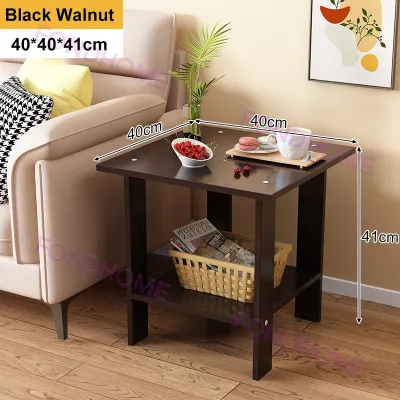
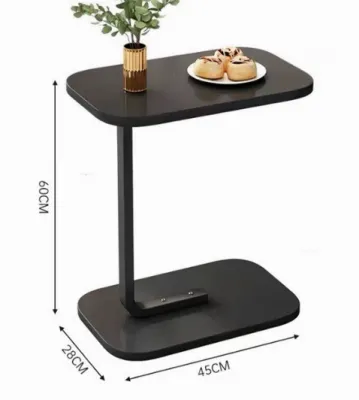

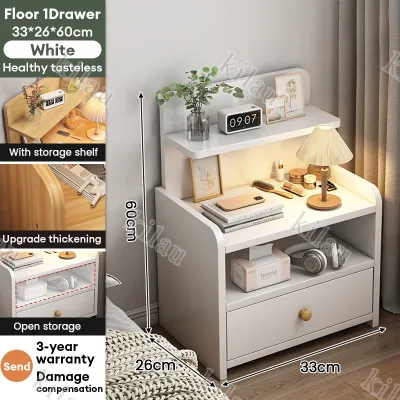
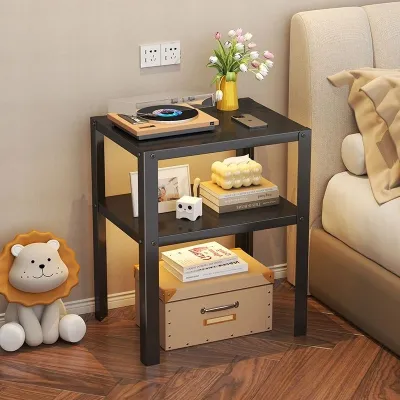
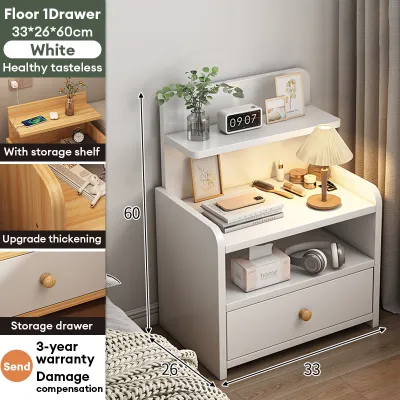
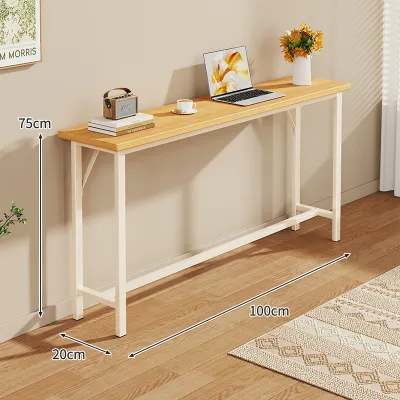
Prices are valid at publication and may change. Please refer to the product page for the latest price.
Next, evaluate the functional clearance required for daily movement and existing furniture. Open all wardrobe doors, bedroom entry doors, and built-in drawers completely to ensure they do not collide with the proposed table location. If a door swing path overlaps with the bedside area, you will need to select a shallower table or opt for a wall-mounted alternative that sits higher than the door’s sweep.
Walkway clearance is another critical factor in a small bedroom layout. Aim to maintain a clear path of at least 50 to 60 centimeters around the sides of the bed to allow for comfortable walking and easy bed-making. If your bedside clearance is narrower than this, a standard floor-standing table will likely obstruct your path and cause frequent stubbed toes.
Finally, measure the height of your bed from the floor to the very top of your mattress, including any mattress toppers. For the most comfortable reach, your side table should align closely with this height. A table that is too tall can be a hazard when reaching out in the dark, while one that is too low makes grabbing a glass of water awkward.
Calculating the Ideal Dimensions for Compact Rooms
Once you have your baseline measurements, you can calculate the ideal footprint for your side table for the bed. In compact rooms, a standard nightstand is often too bulky, so you should target a width of 30 to 45 centimeters. If your clearance is exceptionally tight, look for ultra-slim profiles that measure around 25 to 30 centimeters wide, which still provide enough space for a smartphone and a small cup.

Depth is equally critical when calculating dimensions. A table that is too deep will protrude past the bed frame, creating a visual obstacle and a physical corner to bump into when getting out of bed. Keep the depth of the side table equal to or less than its width, ensuring it stays tucked neatly alongside the head of the bed. Ideally, the table should not extend more than 50 centimeters from the wall behind your bed.
Consider the visual weight of the furniture to maintain a sense of openness in a small room. Solid, blocky nightstands with heavy drawers can make a small space feel cramped and restrict airflow—a key consideration in warm, humid environments. Opt for open-frame designs, slender legs, or light-colored finishes that allow light and air to pass through, making the room feel more spacious.
Proportional guidelines also dictate how the table interacts with the bed itself. A massive king-size bed paired with a tiny, spindly side table looks unbalanced, just as a double bed squeezed next to a bulky chest of drawers feels suffocating. For a single or double bed in a small room, a delicate, narrow table maintains the right visual scale and preserves the room’s flow.
Exploring Space-Saving Side Table Configurations
When floor space is virtually non-existent, alternative configurations offer excellent utility. Wall-mounted or floating shelves are highly effective solutions. By eliminating legs entirely, they keep the floor clear, making it easier to clean and allowing space for slippers or a small storage basket underneath.
Before installing a floating shelf, verify your wall type and mounting requirements. Concrete or brick walls, common in many homes, require masonry plugs and sturdy screws to hold weight securely. If mounting on drywall, locate the wall studs or use heavy-duty hollow-wall anchors. Always check the manufacturer’s specified load capacity to ensure the shelf can safely support your lamp, books, and personal items.
Another smart option is the C-table or slide-under design. These tables feature a cantilevered frame with a flat base that slides directly under the bed frame, while the tabletop extends over the mattress. This configuration uses almost zero extra floor space beside the bed, making it perfect for extremely narrow layouts. Ensure your bed frame has enough clearance from the floor to accommodate the table’s base.
If you prefer a freestanding option but still need to maximize storage, look for multi-functional designs. A narrow side table with a built-in magazine rack, a lower shelf, or a single drawer can house your nighttime essentials without requiring a larger footprint. Ensure the drawer glides smoothly and does not stick, especially in humid climates where wood can swell.
Avoiding Common Sizing and Placement Mistakes
One of the most common mistakes is forgetting to account for baseboards or skirting boards. A wall clearance measurement taken at the top of the mattress might not match the floor-level clearance if thick baseboards prevent the table from sitting flush against the wall. Always measure from the widest point, including any protruding headboard trim or wall moldings.
Another frequent oversight is choosing a table depth that interferes with daily movement. If your side table extends too far forward, it can block the natural path to the closet or make it difficult to change the bed sheets. Ensure the front edge of the table does not extend past the midpoint of your pillows or the upper third of the bed.
Finally, avoid extreme height discrepancies. A table that sits significantly higher than your mattress creates an awkward barrier and increases the risk of knocking items over. Conversely, a table that is too low requires you to bend uncomfortably from a lying position. Aim for a height that is within 5 centimeters of your mattress top for optimal ergonomics.
Frequently Asked Questions (FAQ)
Can a side table be lower than the bed?
Yes, a side table can sit slightly lower than the mattress level. In fact, having the table surface 5 to 10 centimeters below the top of the mattress is often preferred because it prevents you from accidentally bumping your head or arms against the table edges while sleeping. It also makes it easier to reach down naturally to grab items. Visually, lower-profile furniture keeps the sightlines open, which can make low ceilings in small bedrooms feel higher and more spacious.
Do bedside tables need to match in a small bedroom?
No, bedside tables do not need to match, especially in a small bedroom where spatial constraints differ on each side of the bed. If one side of the bed is close to a wardrobe and the other is next to a window, you might use a slim floating shelf on one side and a small drawer unit on the other. To maintain visual cohesion and prevent the room from looking cluttered, choose tables made of similar materials, matching wood tones, or identical hardware finishes.
Community discussion
Share your experience or ask a question. Comments are reviewed before publication.