
Finding the perfect side table is a balance of ergonomics, floor space, and visual harmony. To choose the right size, you must match the table’s height to your sofa’s armrest, measure the available floor area to prevent traffic bottlenecks, and select a shape that complements your room’s layout. Getting these dimensions right ensures your iced coffee, phone, or remote control is always within easy reach without making your living room feel cramped. Whether you are furnishing a spacious suburban home or a compact city condominium, understanding how to measure and scale your furniture will save you from costly return fees and daily frustration.
Matching Side Table Height to Your Sofa
To find a table that feels natural to use, start by measuring your sofa’s armrest height and seat height with a physical tape measure. The ideal side table height aligns closely with the top of your sofa’s armrest. A good rule of thumb is to select a table that sits level with or up to 5 centimeters below the armrest. This specific height range allows you to set down a glass or pick up a book without awkward reaching or straining your shoulder.
If your sofa has no arms, or features low, sloping track arms, target a table height that matches the seat height or rises slightly above it, up to the height of your lap when seated. This ensures the tabletop remains functional and visually connected to the seating area. Choosing a table that is too tall creates an awkward visual barrier, blocks sightlines across the room, and increases the risk of knocking over items when you reach sideways.
Products mentioned in this guide
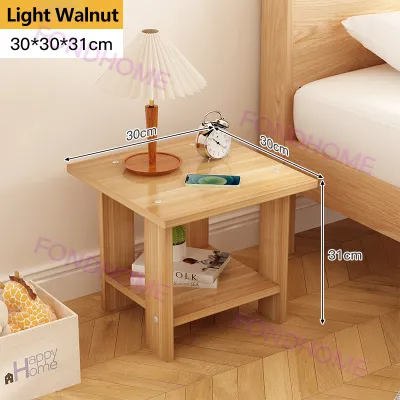
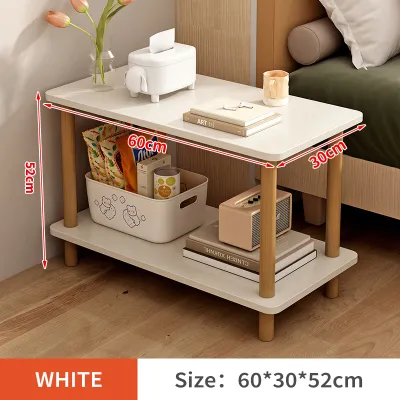
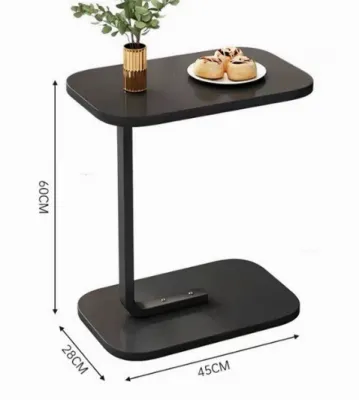
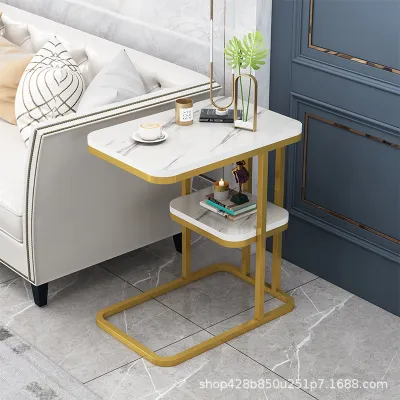
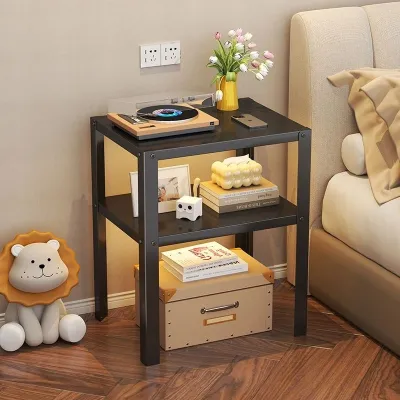
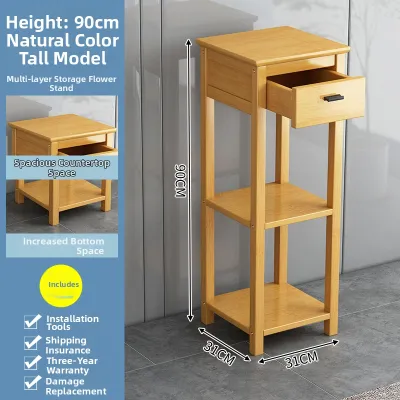
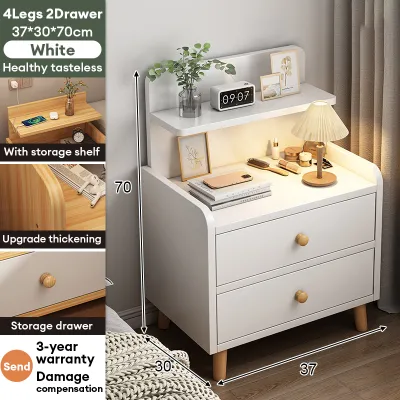
Prices are valid at publication and may change. Please refer to the product page for the latest price.
Conversely, a table that sits too low forces you to lean down uncomfortably, which can lead to accidental spills on your flooring or upholstery. A low table also fails to provide the necessary vertical presence to balance the sofa’s scale. When browsing options, always check the manufacturer’s specified height against your physical measurements rather than relying on product photos, which can be visually deceptive due to camera angles.
Determining the Ideal Width and Depth for Your Floor Space
Before committing to a design, measure the physical floor space next to your sofa to establish a clear boundary for the table’s footprint. You need to account for primary walkways, door swings, and the clearance required for nearby cabinet drawers or curtains. In compact living rooms or high-traffic areas, a side table should never extend past the front edge of the sofa cushion, as this creates a tripping hazard and disrupts the flow of the room.

Standard side tables typically range from 30 to 50 centimeters in width and depth, but your specific layout dictates the limit. If your floor space is highly restricted, look for alternative profiles that maximize utility without consuming valuable floor area. A C-table is an excellent option because its base slides under the sofa, allowing the tabletop to hover directly over the seat cushion. This design is particularly useful in tight spaces where a traditional table would block a walkway.
Alternatively, nesting tables can be stacked together when not in use and pulled out only when guests arrive, while a narrow console table can slide behind the sofa if side clearance is completely unavailable. When measuring, always leave at least 5 to 10 centimeters of breathing room between the side table and the sofa arm to prevent the furniture from looking crammed together and to allow space for cleaning.
Proportions and Visual Balance Next to Your Sofa
A side table must match the visual weight of your sofa to create a balanced living room aesthetic. A plush, deep-seated sectional or a heavy leather sofa will easily overwhelm a table with thin, spindly legs. For bulkier seating, choose a side table with a solid base, thick wooden legs, or a block-style silhouette to anchor the space. This creates a sense of stability and prevents the table from looking like an afterthought.
The choice of materials also plays a significant role in how large the table feels in your room. In smaller or humid tropical spaces where you want to maintain an airy, open feel, opt for tables made with glass tops, open metal frames, or light-colored natural materials. These designs allow light to pass through, making the room feel less cluttered.
If you require built-in storage like drawers or lower shelves, balance this functional need against the physical volume of the piece. Solid cabinetry style tables offer excellent storage for remotes and coasters, but they consume more visual space. Ensure the solid cabinetry does not block natural light or crowd the surrounding furniture, and verify that any drawers have enough clearance to open fully without hitting other items.
Measuring and Checking Clearances Before You Buy
Before finalizing your purchase, perform a physical test in your living room to verify that the dimensions work in practice. Use painter’s tape or a piece of cardboard cut to the exact dimensions of the table’s footprint and place it on the floor next to your sofa. Walk around this mock-up for a day to ensure it does not interfere with your daily movements, foot traffic, or the operation of nearby appliances like standing fans or air conditioning units.
Next, inspect the wall area behind and beside the proposed table location. If your home has thick baseboards or skirting boards, a table with a completely flush back profile will be pushed forward, potentially sticking out further than expected. You should also locate any wall or floor electrical outlets; ensure the table’s legs, pedestal, or solid base will not block access to plugs or trap power cords for lamps and chargers against the wall.
Finally, consider how the table will be delivered and assembled. If you live in a multi-story building or a condominium, check the dimensions of your doorways, hallways, and elevator access to ensure the packaged table can be easily transported to your unit. If the table requires assembly, verify that you have enough open floor space to assemble the pieces safely without damaging your existing furniture.
Frequently Asked Questions (FAQ)
Can a side table be taller than the sofa arm?
Yes, a side table can rise above the sofa arm under specific design conditions, such as when pairing it with an armless sofa or a low-profile modern couch. In these setups, a slightly taller table (up to 10 centimeters above the seat cushion) provides a comfortable surface for reading lamps or decorative items. However, avoid placing a tall table next to a high, thick sofa arm, as this creates an uncomfortable reach and blocks your peripheral vision when seated.
What is the best side table shape for a small living room?
A round or oval side table is generally the best shape for tight spaces because it lacks sharp corners, making it much safer and easier to navigate around in high-traffic zones. Round tables soften the rigid lines of a rectangular sofa and can be tucked into tight corners more easily than square designs. They also offer greater flexibility in placement, allowing you to angle them slightly without creating awkward gaps against the sofa frame.
Community discussion
Share your experience or ask a question. Comments are reviewed before publication.