
Finding the right small chair for your toddler’s desk is essential for establishing healthy posture, physical comfort, and focused play or study habits from an early age. A proper fit relies on matching your child’s unique physical proportions directly to the dimensions of both the chair and the desk, ensuring their feet rest flat on the floor while their arms align naturally with the work surface. When a chair is too tall, dangling legs can restrict circulation; when it is too short, a child must hunch over, straining their developing spine. By taking a few precise measurements and checking key structural features, you can create an ergonomic, inviting, and safe learning corner that supports your child’s daily activities.
In the tropical climate of the Philippines, where high humidity can affect both material comfort and furniture durability, selecting the right chair involves more than just picking a cute design. A well-fitted chair prevents the physical restlessness that often comes from discomfort, allowing your toddler to focus on coloring, reading, or building blocks. Whether you are setting up a dedicated study space for the upcoming school season or upgrading a play corner, understanding how to measure and evaluate toddler furniture will help you make a smart, lasting investment.
Measure Your Toddler and the Desk First
Before browsing online marketplaces or visiting local furniture showrooms, you must gather baseline measurements of both your child and the desk they will use. Toddlers grow at rapid, unpredictable rates, meaning age-based recommendations on packaging are rarely sufficient on their own. Instead, relying on physical measurements ensures a precise fit that accommodates your child’s current growth stage.
Products mentioned in this guide
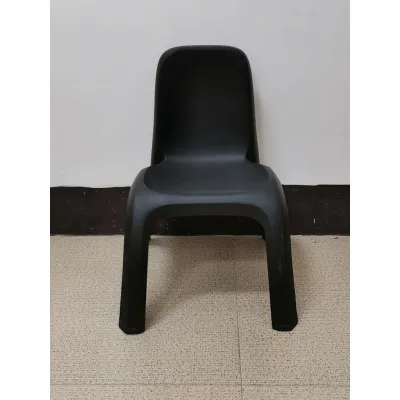
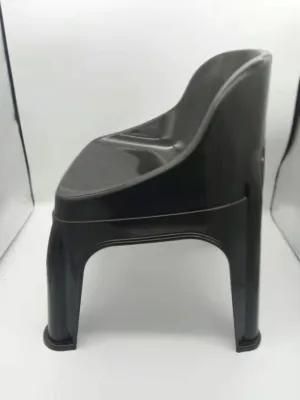

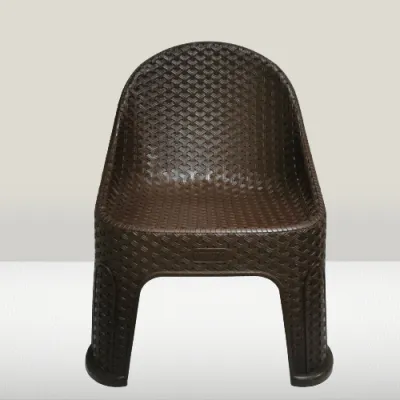
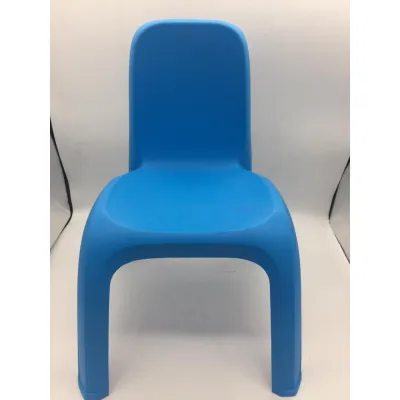
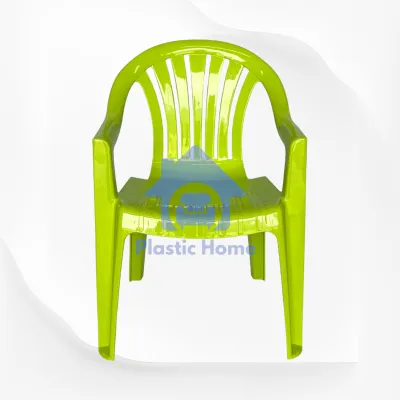
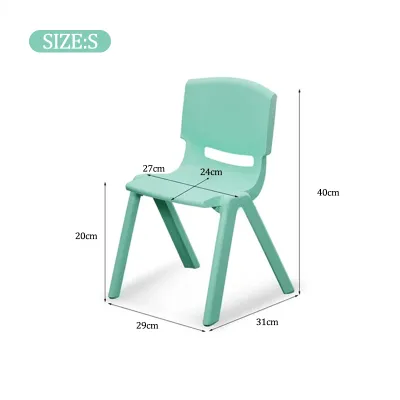
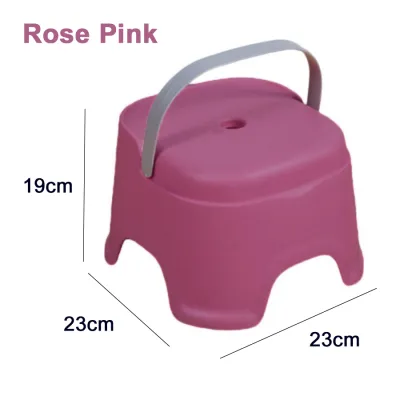
Prices are valid at publication and may change. Please refer to the product page for the latest price.
To determine the target seat height, have your toddler sit on a flat surface with their knees bent at a ninety-degree angle. Use a flexible measuring tape to measure the distance from the floor to the crease at the back of their knee. This measurement represents the ideal seat height, allowing their feet to plant firmly on the ground for stability and support.
Next, turn your attention to the existing desk. Measure the distance from the floor to the underside of the desk surface, which is known as the under-desk clearance. This measurement is crucial because it dictates the maximum height of the chair’s seat and armrests, ensuring the chair can slide completely under the desk when not in use to save space in your home.
Additionally, measure the overall height of the desk surface from the floor. The difference between the desk surface height and your child’s seated elbow height will determine how comfortably they can write or draw. Keep these measurements written down in a notebook or on your phone so you can easily reference them while comparing different chair models.
Match Seat Height to Leg Length and Desk Clearance
Once you have your baseline measurements, you can begin evaluating specific chair options to find a seat height that promotes healthy circulation and stable posture. A visual check is the most reliable way to confirm a proper fit when your child sits in the chair. Their feet should rest completely flat on the floor, their knees should bend at a comfortable angle, and their thighs should remain parallel to the ground.

When shopping, look closely at the manufacturer’s detailed dimension specifications rather than relying on generalized age brackets. A chair labeled for ages two to five might be too large for a petite two-year-old or too small for a taller four-year-old. Checking the exact seat height range in centimeters or inches is the only way to guarantee a safe and comfortable fit.
Adjustable-height chairs offer excellent value and longevity, especially during rapid growth spurts. If you choose an adjustable model, inspect the locking mechanisms carefully to ensure they are secure and robust. Look for heavy-duty threaded knobs, metal pins, or secure clamp systems that prevent the seat from slipping down unexpectedly when your child sits or shifts weight.
The adjusted seat height must also allow your toddler’s elbows to rest comfortably on the desk surface at approximately a ninety-degree angle. If the seat is too low, your child will have to raise their shoulders to reach the desk, leading to muscle tension. If the seat is too high, they will have to slouch forward, which puts unnecessary pressure on their lower back and neck.
While prices for toddler chairs can range from under ₱1,000 for basic plastic models to several thousand pesos for solid wood designs, focusing on safety certifications and structural stability is far more important than the price tag alone. Investing in a stable, well-constructed chair ensures it remains safe and functional throughout your child’s early years.
Check Seat Depth and Backrest Support
Seat depth and backrest support are critical factors that prevent your toddler from sliding forward or experiencing spinal strain during longer activities. The depth of the seat must accommodate your child’s shorter thigh length. If the seat is too deep, your child will not be able to lean back against the backrest without their knees bending awkwardly over the front edge.
To verify the correct seat depth, check that there is a gap of a few fingers—approximately two to five centimeters—between the front edge of the seat and the back of your child’s knees. This gap prevents the chair from pressing against the blood vessels and nerves behind the knees, ensuring healthy circulation and preventing numbness during extended sitting.
The backrest should provide firm, contoured support to the lower back, helping your child maintain a natural spinal curve. It should not force the child to lean forward to reach the desk, nor should it push them so far forward that they feel unstable. A backrest that supports the mid-to-lower spine is ideal for toddlers, as it offers stability without restricting their upper-body movement.
Additionally, look for chairs that feature a waterfall seat edge, which is a gently curved front edge that slopes downward. This design detail reduces pressure on the back of the thighs, promoting better blood flow and preventing the discomfort that causes toddlers to fidget or constantly shift their position while trying to focus.
Evaluate Stability, Safety, and Material Care
Safety is paramount when choosing any furniture for toddlers, who are naturally active and prone to sudden movements. A stable chair must resist tipping over when your child leans sideways, climbs onto the seat, or pushes back from the desk. Look for chairs with a wide, flared base or an anti-tip design that distributes weight evenly across the floor.
If the chair features armrests, you must verify that they will not collide with the edge of the desk. Armrests that are too high can prevent the chair from being pushed fully underneath the desk, which can clutter your room and force your child to sit too far away from their work surface. Measure the height of the armrests from the floor and compare it to the under-desk clearance before making a purchase.
In the humid climate of the Philippines, material selection plays a significant role in both comfort and maintenance. While solid wood and high-density plastics are popular choices, you should always verify the specific weight limits and cleaning instructions on the product label. Do not assume a chair is durable or easy to clean based solely on the material name; instead, look for finishes that resist moisture and can be wiped down easily with a damp cloth.
Avoid chairs with intricate carvings, deep crevices, or fabric cushions that cannot be removed and washed. Toddlers frequently spill drinks, drop snacks, and use art supplies like crayons or clay at their desks. A smooth, non-porous surface with sealed joints will prevent moisture from seeping into the material, reducing the risk of mold growth and making daily cleanup quick and simple.
Test the Fit and Verify Return Policies
Before finalizing your purchase, it is highly beneficial to test the fit of the chair with your child, whether in a physical store or immediately upon delivery at home. Observe your child’s posture and behavior while they sit at the desk. Look for relaxed shoulders, a clear line of sight to their work, and an overall absence of fidgeting or squirming, which are key indicators of a comfortable fit.
If you are purchasing an adjustable chair that requires assembly, review the assembly instructions and check if the package includes all necessary tools. Verify whether replacement parts, such as extra screws or adjustment knobs, are readily available from the manufacturer. This ensures you can maintain the chair’s safety and functionality over years of daily use.
Finally, always check the retailer’s return or exchange policy, particularly when shopping on online marketplaces. Because minor differences in desk design or child proportions can affect how well the chair fits your specific home setup, having a flexible return window is essential. Ensure you can return or exchange the chair if the actual dimensions do not match your expectations or if the chair does not align correctly with your toddler’s desk.
Frequently Asked Questions (FAQ)
Should I buy a fixed-height or adjustable toddler chair?
An adjustable toddler chair generally offers a longer usable lifespan because it can grow alongside your child, making it a highly cost-effective choice over several years. However, fixed-height chairs are often simpler, lighter, and have fewer moving parts that require maintenance. If you choose an adjustable model, always verify that the adjustment mechanism is easy to use and features secure locking pins or heavy-duty knobs to prevent accidental slipping.
How do I know if the chair is too big for my toddler?
Several clear, observable signs indicate that a chair is too large for your toddler. If your child’s feet cannot rest flat on the floor, or if they must slide forward away from the backrest to reach the desk, the chair is too big. Additionally, if the backrest hits the back of your child’s head or shoulders rather than supporting their lower spine, or if the seat depth presses tightly against the back of their knees, you should adjust the chair to a lower setting or choose a smaller model.
Community discussion
Share your experience or ask a question. Comments are reviewed before publication.