
Finding the perfect balance between functionality and style in a compact home requires careful planning, especially when selecting central furniture pieces. A living room solid wood center table can serve as a beautiful, durable anchor for your seating area, but its dense material and natural presence can easily overwhelm a small room if the proportions are incorrect. To keep your space feeling open and comfortable, the ideal center table should measure approximately two-thirds the length of your sofa, stand level with or slightly below your seat cushions, and leave at least 12 to 18 inches of clear walkway space on all sides.
In high-density urban areas like Metro Manila, where condominium units and townhouse layouts prioritize vertical space over floor area, every inch counts. Choosing a solid wood piece adds undeniable character and longevity, but it also introduces unique considerations regarding physical weight, visual mass, and spatial flow. By understanding how to calculate dimensions, assess visual weight, and measure your layout accurately, you can confidently select a table that enhances your home without restricting your daily movement.
Quick Guide: Sizing a Center Table for a Small Living Room
When dealing with limited square footage, adhering to basic interior design proportions prevents costly purchasing mistakes. The most critical rule of thumb is the two-thirds rule: your center table should never stretch longer than two-thirds of your sofa’s total seating length. If your sofa is 60 inches long, for example, your table should ideally fall between 36 and 40 inches in length. This proportion ensures that everyone sitting on the sofa can easily reach the table surface while leaving breathing room on either end.
Products mentioned in this guide
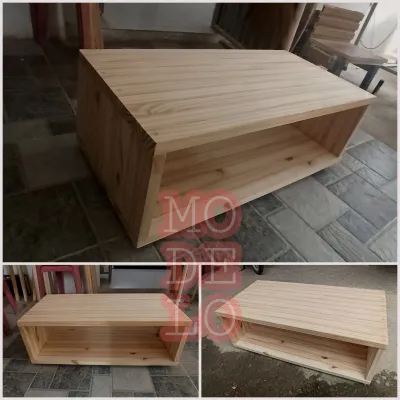
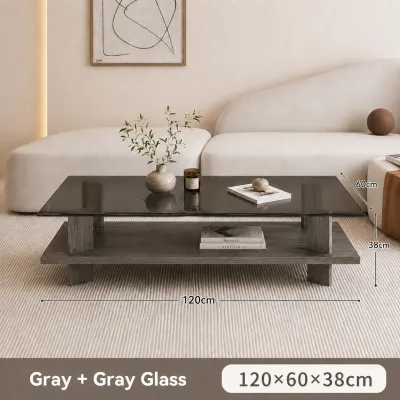
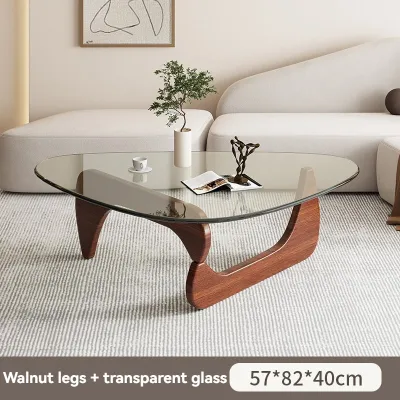
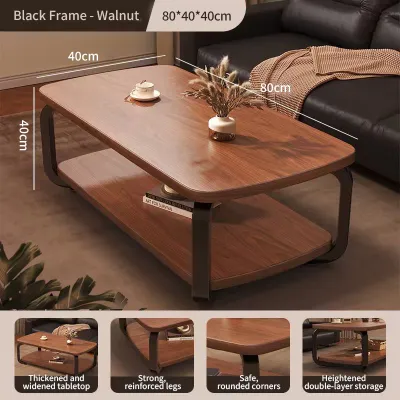
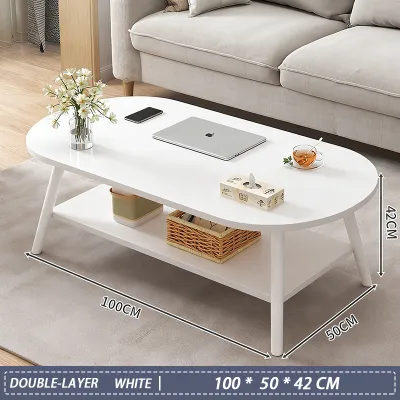
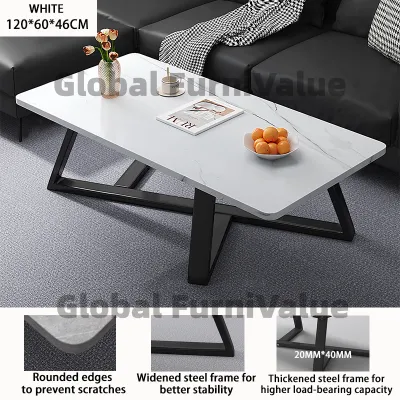
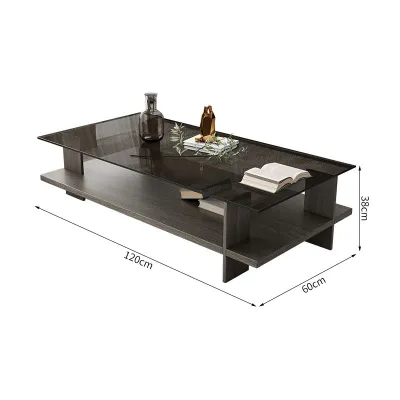
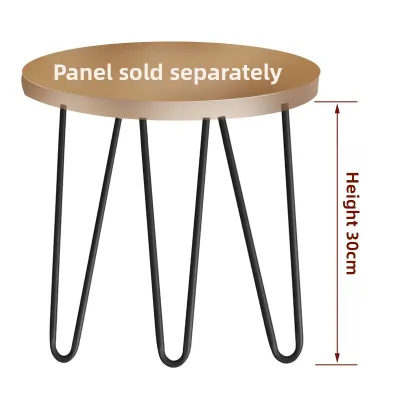
Prices are valid at publication and may change. Please refer to the product page for the latest price.
Equally important is the clearance around the table, which directly impacts how easily you can navigate your living room. A minimum walkway clearance of 12 inches (approximately 30 centimeters) is necessary to prevent shins from bumping against hard wooden edges, though 18 inches (45 centimeters) is highly recommended for optimal comfort. In tight layouts, sacrificing a few inches of table width is always preferable to restricting the natural flow of traffic through the room.
Finally, the physical properties of solid wood require proactive planning before the item even arrives at your doorstep. Solid timber is dense, heavy, and rigid, meaning it cannot be easily disassembled or squeezed through tight corners like flat-pack particleboard furniture. You must verify that the finished dimensions of the table can safely clear your building’s service elevators, narrow stairwells, and entry doors. Planning for these logistics early saves significant frustration during delivery day.
Recommended Dimensions and Proportions for Compact Spaces
To select a piece that feels custom-fit for your home, you must look closely at both the horizontal footprint and the vertical profile of the table. Solid wood does not bend or yield, so its physical dimensions dictate how light or cramped your living room will feel.

Length and Width Guidelines
To calculate the maximum length of your table, measure the clear seating area of your sofa, excluding the armrests. Keeping the table length within one-half to two-thirds of this measurement maintains visual harmony. If the table is too short, it will look lost and be difficult to reach from the outer seats; if it is too long, it blocks the path around the sofa ends.
Width is where many small-space homeowners make mistakes. While large, square tables look impressive in spacious showrooms, they are highly impractical for narrow rooms. Instead, opt for a narrow rectangular or oval table with a width of 18 to 22 inches. These elongated shapes mirror the linear footprint of a sofa, providing ample surface area for drinks, books, or decorative items while preserving precious floor space directly in front of the television console or display shelves.
Height and Walkway Clearance
Vertical proportion is just as vital as horizontal footprint. The height of your center table should closely align with the top of your sofa’s seat cushions, typically ranging between 15 and 18 inches from the floor. A table that is too tall acts as a visual barrier, cutting the room in half and making the ceiling appear lower. Conversely, a table that is more than two inches lower than your sofa cushions requires uncomfortable bending to reach your items.
Maintaining the 12-to-18-inch clearance zone between the table edge and the sofa seat is the key to daily comfort. This specific distance is close enough to comfortably set down a cup of coffee without standing up, yet wide enough to allow you to sit down, stretch your legs, and stand up without feeling trapped. If your living room features adjacent armchairs or a media unit, maintain a minimum of 24 to 30 inches of clearance between the table and those pieces to allow doors and drawers to open fully.
Step-by-Step Space Measurement for a Living Room Solid Wood Center Table
Before browsing online marketplaces or visiting local furniture boutiques, take physical measurements of your room to establish your absolute boundary limits. Relying on visual estimation often leads to buying a piece that looks perfect in a spacious store but dominates your actual living room.
- Step 1: Measure the Active Floor Space. Use a metal measuring tape to record the distance from the front edge of your sofa to the opposite wall or media console. Subtract the depth of any TV cabinets and walkways to find your true available footprint.
- Step 2: Account for Architectural Obstacles. Note the swing paths of balcony doors, nearby bedroom doors, and low-hanging window treatments. A solid wood table cannot be easily slid out of the way, so it must not interfere with these functional zones.
- Step 3: Create a Physical Mockup. Before purchasing, map out the exact dimensions of your prospective table on the floor. Use painter's tape or lay down flattened cardboard boxes cut to size. Leave this mockup in place for at least 24 hours to physically test the flow of your daily routine.
- Step 4: Verify the Delivery Route. Measure the width and height of your front door, apartment hallways, elevator doors, and stairwell landings. Because solid wood tables are often delivered fully assembled to preserve their structural integrity, you must ensure the delivery crew can navigate these tight passages.
Solid Wood Specifics: Visual Weight and Practical Handling
Solid wood carries a distinct presence that artificial laminates cannot replicate. However, its material characteristics require specific design choices to prevent a small room from feeling dark or visually cluttered.
Managing Visual Weight
Visual weight refers to how heavy an object appears to the eye. A solid wood table with thick, blocky legs and a dark finish (such as deep walnut or mahogany) absorbs light, making a small room feel instantly smaller. To mitigate this effect, look for designs that incorporate elements of lightness:
- Tapered or Slender Legs: Mid-century modern designs with angled, tapered legs lift the table body off the floor, allowing light to pass underneath.
- Light Wood Species: Opt for lighter timber tones like natural ash, rubberwood, or light oak, which reflect natural light and blend seamlessly with neutral color palettes.
- Open Shelving or Wireframes: A table with a solid wood top supported by a slim metal frame or featuring an open lower shelf provides storage without creating a solid visual block.
Physical Protection and Climate Care
Because solid wood is heavy, moving it for cleaning or rearranging can easily damage your flooring. Hardwood, laminate, and vinyl floors are highly susceptible to deep scratches and scuffs. To prevent this, always apply heavy-duty felt pads to the bottom of the table legs. Alternatively, place the table on a low-pile area rug to distribute the weight evenly and allow for minor adjustments without direct floor contact.
Living in a tropical climate like the Philippines introduces high humidity levels that can affect natural timber. Solid wood naturally expands and contracts in response to moisture levels in the air. To prevent warping, splitting, or finish damage, keep your table away from direct sunlight streaming through large windows. Additionally, avoid placing the table directly in the path of cold air blowing from split-type air conditioning units, as rapid temperature shifts can dry out the wood too quickly.
Common Sizing and Placement Mistakes to Avoid
Avoiding common design pitfalls ensures your small living room remains both beautiful and highly functional. Even a high-quality, expensive solid wood piece can look out of place if simple design guidelines are ignored.
One frequent mistake is choosing a table that is too tall for the surrounding seating. A center table that rises above the sofa cushions disrupts the horizontal sightline of the room, making the entire space feel boxed in and formal rather than relaxed and inviting. Keep the height level with or slightly below the seat cushions to preserve an open, airy feel.
Another error is ignoring the relationship between the table and your area rug. If you use a rug to define your living space, the center table should be properly scaled to it. Ideally, the rug should be large enough so that the table sits entirely on it, with at least the front legs of your sofa resting on the outer edges of the rug. Placing a heavy solid wood table on a tiny, isolated rug in the middle of the room creates a disjointed look and emphasizes the room’s limited dimensions.
Finally, avoid buying tables with solid, boxy bases that extend all the way to the floor. These designs eliminate valuable under-table storage and block the view of the floor, which instantly makes a compact room feel cramped. Instead, prioritize tables with open bases, slender legs, or built-in drawers that offer functional storage while keeping the floor area visually open.
Frequently Asked Questions (FAQ)
Can I use a round solid wood center table in a small living room?
Yes, round solid wood tables are highly recommended for compact living rooms. Because they lack sharp corners, they facilitate smoother foot traffic and are much safer in tight spaces where you are more likely to brush past the furniture. To size a round table correctly, choose a diameter that is between one-half and two-thirds of your sofa’s seating length, typically between 30 and 32 inches for a standard small sofa.
What if my small living room has an L-shaped sofa?
If you have an L-shaped sectional sofa, a rectangular or oval table is generally the best choice. Position the table parallel to the longest section of the sofa, ensuring you maintain the standard 12-to-18-inch clearance on all sides. Alternatively, you can use a set of two nesting tables; these allow you to tuck the smaller table underneath the larger one when you need more floor space, and pull it out when hosting guests.
How do I protect my floors from a heavy solid wood table in a small space?
To safeguard your floors from the weight of a solid wood table, apply high-quality felt or rubber furniture glides to the bottom of each leg. Never drag the table across the floor when cleaning or rearranging; always lift it with the help of another person. Placing a durable, low-pile area rug underneath the table is also an excellent way to protect your flooring while adding texture and anchoring your living room layout.
Community discussion
Share your experience or ask a question. Comments are reviewed before publication.