
Selecting the ideal solid wood storage cabinet for your dining area requires a careful balance between the physical constraints of your room and your specific storage habits. To find the perfect fit, you must measure your available wall space, account for architectural obstacles, and ensure there is at least 90 to 120 centimeters of clearance for traffic flow and chair movement. Additionally, matching the cabinet’s depth and internal configuration to your actual dishware and appliances prevents spatial overcrowding while maximizing utility.
Investing in a solid wood storage cabinet brings warmth, character, and lasting durability to your home. However, because solid wood is a heavy, rigid material that cannot be easily disassembled or squeezed into tight corners, getting the dimensions right before purchase is absolute. Whether you are furnishing a compact modern condominium in Metro Manila or a spacious suburban dining room, a systematic approach to sizing ensures your new furniture serves as a beautiful, functional anchor rather than an awkward spatial obstacle.
Measure Your Dining Room Layout and Available Wall Space
Before browsing styles or finishes, you must establish the maximum physical boundaries of your dining area. Begin by using a steel measuring tape to record the exact width and height of the wall where you plan to place the cabinet. Measure the distance at three different points—near the floor, at the midpoint, and near the ceiling—as walls in many homes are not perfectly square. Write down the smallest of these measurements to use as your absolute limit.
Products mentioned in this guide

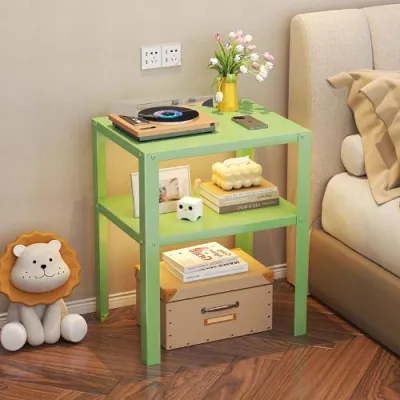
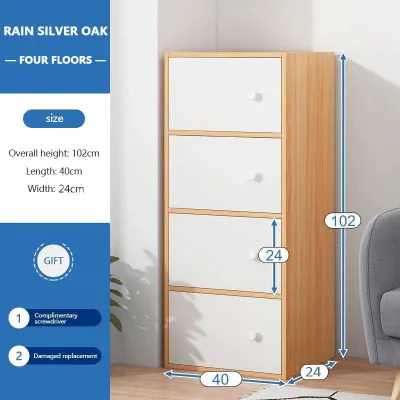
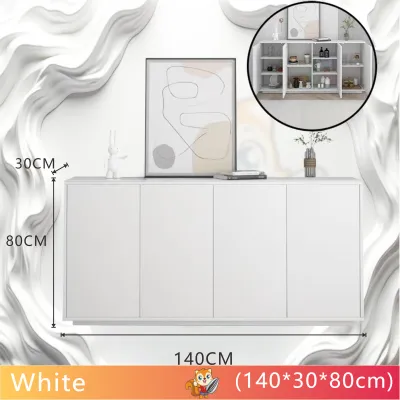
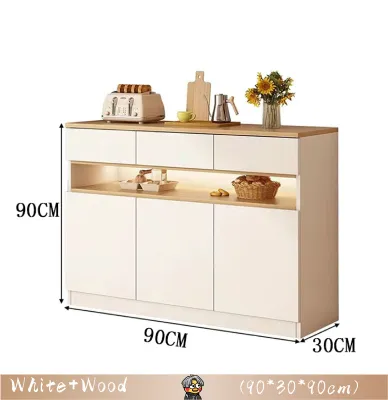
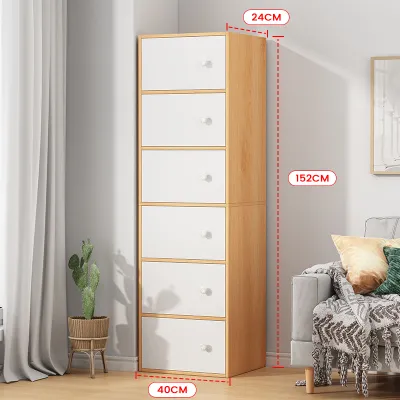
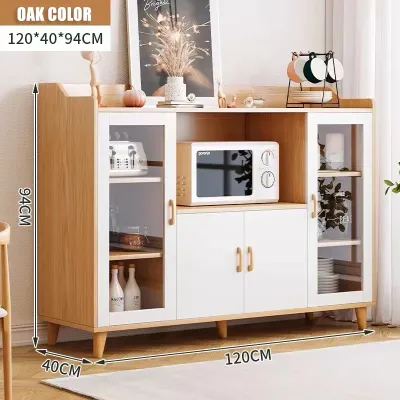
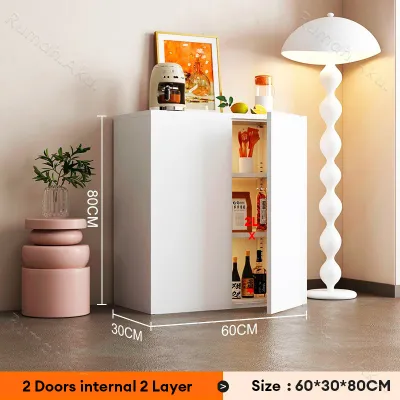
Prices are valid at publication and may change. Please refer to the product page for the latest price.
Next, identify and map out any architectural features that could interfere with the cabinet’s placement. Look for wall-mounted light switches, electrical outlets, baseboards, window trim, and air conditioning vents. In tropical climates like the Philippines, wall-mounted split-type air conditioners are common; you must ensure the height of your solid wood storage cabinet leaves ample clearance below the unit to prevent blocking airflow or risking damage from potential condensation drips. If you plan to plug in appliances on top of the cabinet, note the exact location of outlets to ensure they remain accessible or can be reached via cord cutouts.
Evaluating the visual proportion of the room is just as important as measuring the physical inches. A towering, dark hardwood cabinet can easily overwhelm a small dining space, making the entire room feel cramped and dark. Conversely, a small, low sideboard might look lost against a large, open-concept wall. As a general rule of thumb, aim for a cabinet that occupies approximately two-thirds of the available wall length. This ratio provides a balanced, intentional look that anchors the room without dominating the visual landscape.
Finally, map out the primary walking paths through your dining room. A dining area is a high-traffic zone where family members constantly move between the kitchen, the table, and adjacent living spaces. Ensure that the footprint of your cabinet does not encroach on these natural pathways. If you must squeeze past the cabinet to get to your seat, the piece is too large for the space, regardless of how well it fits against the wall.
Match Cabinet Dimensions to Your Dishware and Appliance Needs
Your storage requirements dictate the ideal internal configuration and external depth of your solid wood cabinet. Take a detailed inventory of what you plan to store inside. Heavy stoneware, delicate porcelain plates, tall wine glasses, and bulky serving platters all have different spatial requirements. For example, if you have a collection of oversized charger plates or wide serving trays, you will need a cabinet with a deeper profile to ensure the doors can close completely.

If you intend to use the top surface of the cabinet as a functional countertop—such as a coffee bar, a microwave station, or a buffet serving area during family gatherings—the height and depth of the unit become critical. A standard counter height of 85 to 90 centimeters is ideal for comfortable food preparation and appliance use. Before placing heavy appliances like microwave ovens or espresso machines on the cabinet, verify the manufacturer’s specified load capacity for the top surface. Additionally, ensure the solid wood is treated with a high-quality, moisture-resistant protective finish to prevent water rings, heat damage, or warping from steam.
When choosing between open shelving, glass display doors, and solid wooden doors, consider both aesthetics and maintenance. Glass doors are excellent for showcasing fine china and glassware, and they help reflect light to make a dining room feel more open. However, in dusty environments or high-humidity regions where moisture can settle on exposed surfaces, closed solid wood doors provide superior protection for your everyday items. Drawers are highly practical for organizing flatware, table linens, coasters, and small serving utensils that easily get lost on deep shelves.
Always check the adjustability of the internal shelves before finalizing your purchase. Fixed wooden shelves limit your storage options and can result in wasted vertical space. Adjustable shelves allow you to customize the interior layout over time, making it easy to accommodate unusually tall items such as wine bottles, decanters, large vases, or stacked serving bowls. Verify that the shelf support pegs are sturdy and made of metal or thick wood to safely support the weight of heavy ceramic dishware.
Check Delivery Clearances and Daily Operating Space
One of the most common oversights when purchasing a solid wood storage cabinet is forgetting to plan the delivery route. Unlike flat-pack furniture, high-quality solid wood cabinets are often delivered fully assembled or in large, heavy sections to preserve structural integrity. You must measure every doorway, narrow hallway, stairwell turn, and elevator entrance that the delivery team must navigate. If you live in a high-rise condominium, check the building’s service elevator dimensions and weight limits to ensure the packaged cabinet can safely fit inside.
Once the cabinet is in the room, you must account for its daily operating clearance. A cabinet’s footprint is not limited to its closed dimensions; you must calculate the extra space required when doors are swung wide open and drawers are fully extended. Hinged cabinet doors require a clear swing radius that should not collide with dining chairs, walls, or the dining table. If space is exceptionally tight, consider a cabinet with sliding doors, which provide easy access to your items without taking up any additional floor space when open.
If your cabinet will house electrical appliances, proper ventilation and cord management are essential. Solid wood can trap heat, which can damage both the cabinet’s finish and the appliances themselves. Leave at least 5 centimeters of breathing room between the back of the cabinet and the wall to allow heat to dissipate safely. Check if the cabinet features pre-drilled grommets or cord management holes in the back panel; if not, you may need to consult the manufacturer or a professional carpenter to add them without compromising the cabinet’s structural stability.
Finally, verify that your dining room floor is level. Because solid wood cabinets are remarkably heavy, an uneven floor can cause the frame to warp slightly over time, leading to misaligned doors and sticky drawers. Use a leveling tool to check the floor surface. To protect your flooring from scratches, indentations, and moisture, place high-quality felt or rubber protective pads under the cabinet’s legs. For safety, especially in regions prone to seismic activity or in homes with active household members, always anchor tall or heavy storage cabinets securely to the wall studs using appropriate anti-tip hardware.
Avoid Common Sizing and Placement Mistakes
A frequent spatial error is failing to account for the thickness of your wall’s baseboards. When measuring your dining room floor space, remember that baseboards protrude from the wall by 1 to 3 centimeters. If you do not account for this, your cabinet will not sit flush against the wall, leaving an unsightly gap where dust, small items, or pests can accumulate. Look for cabinets with a recessed back or baseboard cutouts along the rear legs, which allow the top of the cabinet to sit perfectly flush against the wall.
Another critical mistake is underestimating the space needed for chair clearance when guests are seated. A dining table requires its own clearance zone. If you place a deep cabinet directly behind a dining chair, the person sitting there may feel trapped, and they will likely bump their chair into the solid wood cabinet when trying to stand up. Always maintain a comfortable buffer zone so that chairs can be pulled out fully without striking the cabinet’s polished wood surface.
Do not ignore the visual weight of the wood species and finish you choose. Solid wood has a distinct presence that influences the perceived size of a room. Darker woods, such as mahogany, walnut, or dark-stained acacia, absorb light and can make a tight dining space feel even smaller. If your dining room is compact or lacks abundant natural light, opt for lighter wood tones like oak, ash, or rubberwood, or choose a design with tapered legs and glass door panels to create a sense of elevation and openness.
Lastly, never rely on generic size labels like “standard,” “medium,” or “large” when shopping online or in showrooms. Dimensions vary significantly between different furniture manufacturers and designers. Always locate the detailed product specification sheet and verify the exact height, width, and depth measurements down to the millimeter before making your final decision.
Frequently Asked Questions (FAQ)
What is the standard depth for a dining room storage cabinet?
Most dining room storage cabinets, sideboards, and buffets have a standard depth ranging from 40 to 50 centimeters. This depth range is highly versatile, providing ample interior space to store standard-sized dinner plates, serving platters, and small kitchen appliances without protruding too far into the room. For exceptionally tight dining spaces or narrow walkways, you can find shallow cabinets with a depth of 30 to 35 centimeters, which are ideal for storing glassware, wine bottles, and smaller dishes. When calculating the total depth of a cabinet, always remember to add the thickness of the back panel and any protruding door handles or drawer pulls to the manufacturer’s listed dimensions to ensure an accurate fit.
How much space should I leave between the dining table and the cabinet?
You should leave a minimum of 90 centimeters of clearance between the edge of your dining table and the front of your solid wood storage cabinet. This distance allows a person to comfortably pull out a dining chair, sit down, and rise from the table without bumping into the cabinet. If you want to ensure that family members can easily walk behind a seated guest to serve food or access the cabinet’s contents, increase this clearance to 120 centimeters. If your cabinet features hinged doors or deep drawers that open directly toward the dining table, make sure to measure the door swing or drawer extension to ensure they can be fully opened without colliding with the backs of occupied dining chairs.
Community discussion
Share your experience or ask a question. Comments are reviewed before publication.