
Finding the right bench with storage for a compact Philippine balcony or garden requires balancing seating comfort, storage capacity, and physical space constraints. In tight outdoor areas, every centimeter counts. A bench that is too large can block vital walkways, restrict door movement, or violate condominium safety guidelines, while one that is too small might not hold your gardening tools or outdoor cushions. To find the ideal fit, you must measure your space systematically, evaluate how the bench opens, and verify that the materials can withstand tropical humidity and heavy rainfall.
Assessing Your Available Outdoor Space
Before browsing online marketplaces or visiting local furniture showrooms, you need an accurate map of your outdoor area. Start by measuring the total length and depth of the floor footprint where you plan to place the bench. Use a metal measuring tape for accuracy, and note any permanent fixtures such as drainage pipes, wall-mounted air conditioning compressors, or structural pillars that reduce the usable floor area.
Do not forget to measure the access route to your balcony or garden. A bench that fits your balcony perfectly is of no use if it cannot pass through your condominium’s elevator doors, narrow hallways, or the balcony entryway itself. Note the finished dimensions of the bench and compare them against the tightest turns and door frames along the delivery path.
Products mentioned in this guide
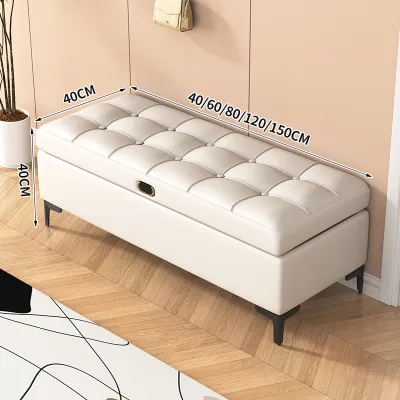
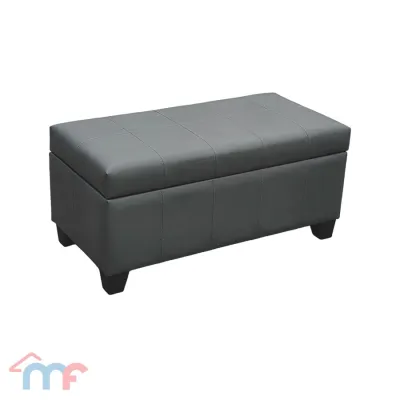
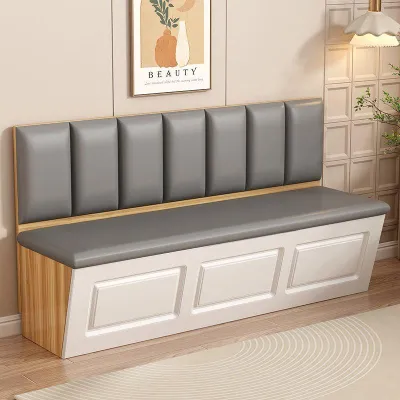
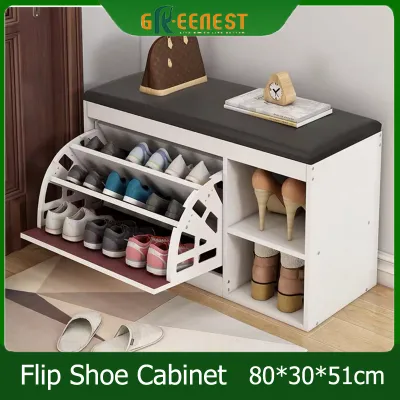
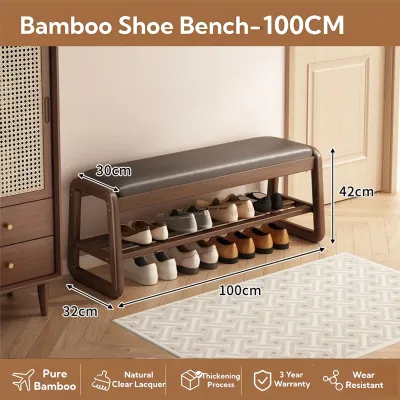
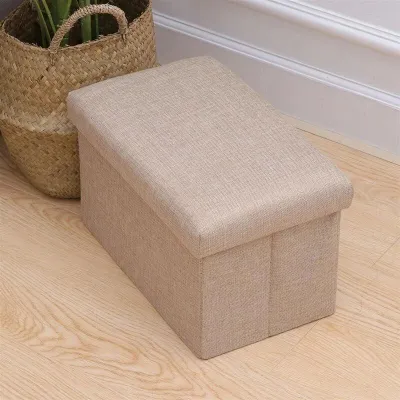
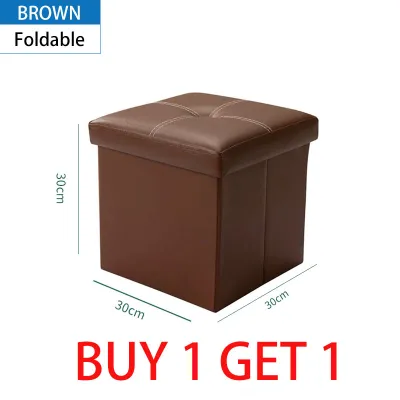
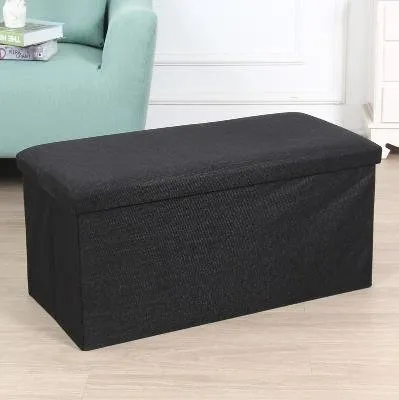
Prices are valid at publication and may change. Please refer to the product page for the latest price.
Clearance is the most critical factor when planning your layout. Ensure you leave at least 60 centimeters of open walkway space in front of the bench so you can walk past comfortably without squeezing. If the bench is placed near a balcony door or a garden gate, measure the full swing radius of the door to ensure it can open completely without striking the furniture.
Vertical space is equally important, especially on covered balconies or under garden eaves. Look upward to identify potential obstructions such as wall-mounted laundry drying racks, low-hanging light fixtures, decorative planters, or overhanging tree branches. If you plan to use a top-loading bench, you must ensure there is enough vertical clearance for the lid to open fully without hitting these overhead items.
Finally, consult your building administration or condominium association guidelines before making a purchase. Many residential buildings in the Philippines enforce strict rules regarding balcony furniture weight limits, wind-resistance standards, and fire safety. Ensure your proposed bench placement does not block designated emergency evacuation routes, fire escape ladders, or wet-standpipe access points.
Matching Bench Dimensions to Your Layout
Once you have your maximum space measurements, you can determine the ideal dimensions of the bench. For most small balconies and compact gardens, a bench with a depth of 40 to 50 centimeters offers a comfortable seat without protruding too far into the walkway. A length of 80 to 120 centimeters is generally sufficient to seat two adults while remaining compact enough to fit into tight corners.

The shape of the bench plays a major role in how well it integrates into your layout. Rectangular benches are highly versatile and can be placed flat against a wall or railing to maximize floor space. If you have an unused corner, an L-shaped or corner storage bench can turn an awkward nook into a functional seating and storage zone. For exceptionally narrow balconies, look for slim-profile benches that prioritize height over depth, keeping the walkway clear.
Do not forget to account for legroom and seating comfort. When someone sits on the bench, their feet and legs will extend forward, requiring an additional 30 to 40 centimeters of clearance in front of the seat. If your balcony is narrow, placing a coffee table or large potted plants directly in front of the bench can make the seating area feel cramped and difficult to access.
Consider the assembly conditions of the bench as well. Some models are delivered fully assembled, which guarantees structural integrity but requires maximum clearance during delivery. Others arrive flat-packed, requiring assembly on-site. If you choose a flat-packed model, ensure you have enough physical space on your balcony or in your living room to lay out the parts and use tools safely.
Evaluating Storage Capacity and Accessibility
A bench with storage must serve its dual purpose effectively, which means the internal capacity must match your storage needs. If you plan to store bulky items like thick seat cushions, potting soil bags, or long-handled garden tools, list these items and note their dimensions first. This prevents the frustration of buying a bench only to find your primary gardening equipment does not fit inside.
The way you access the storage compartment is just as important as its overall size. Top-lift lids are common and provide excellent access to the entire interior, but they require you to remove any decorative cushions or items sitting on top of the bench before opening. If you use the bench frequently for seating, a front-opening design with cabinet doors or pull-out drawers might be more convenient, provided you have enough clearance in front of the bench to open them fully.
Sliding doors are an excellent alternative for extremely tight spaces where neither top-clearance nor front-clearance is abundant. However, keep in mind that sliding doors usually restrict you to accessing only half of the storage space at a single time. Additionally, check the manufacturer’s specifications for internal dimensions, as double-walled plastic benches or heavily reinforced wooden frames can have internal storage spaces that are significantly smaller than their external measurements suggest.
Checking Outdoor Durability and Safety Specifications
The tropical climate of the Philippines—characterized by intense solar heat, high humidity, and heavy monsoon rains—demands durable materials. When selecting a bench, check the manufacturer’s labels for specific weather-resistant properties. Look for UV-stabilized plastics, treated hardwoods like teak or acacia, or powder-coated metals that resist rust. Avoid untreated woods or standard indoor laminates, which can warp, rot, or attract termites quickly when exposed to moisture.
Stability and weight capacity are vital safety considerations, particularly for lightweight plastic or resin benches. Verify the maximum weight limit specified by the manufacturer to ensure the bench can safely support multiple users. In wind-prone areas, such as high-rise balcony spaces, a lightweight bench may need to be anchored to the floor or wall, or weighted down internally with heavy storage items to prevent it from tipping over during typhoons.
Examine the hardware and construction details closely before finalizing your choice. Ensure all screws, hinges, and brackets are made of stainless steel or brass to prevent rust stains from ruining your balcony floor. In tight spaces where you are likely to brush past the bench frequently, opt for designs with rounded corners and smooth edges to minimize the risk of scrapes and bruises.
Common Sizing and Placement Mistakes to Avoid
One of the most frequent mistakes is failing to account for the swing clearance of the bench lid or doors during the planning phase. A top-loading bench might fit perfectly against your balcony railing, but if the lid hits the railing or an overhanging window sill when opened, you will struggle to put items inside. Always calculate the full arc of any moving parts before deciding on a location.
Another common error is assuming that the external dimensions of the bench represent the actual usable storage space. Thick-walled resin benches, insulated outdoor chests, and benches with complex internal framing can lose up to 10 centimeters of internal width and depth. Always verify the internal dimensions listed in the product specifications to ensure your specific storage containers or garden tools will fit.
Lastly, never block essential utility access or safety pathways. Balconies often house floor drains, air conditioning condensation lines, electrical outlets, or utility meters. Placing a heavy, fully loaded storage bench directly over a floor drain can lead to water pooling during heavy downpours, potentially causing water damage to your home or neighboring units. Keep these utility areas completely clear and accessible.
Frequently Asked Questions (FAQ)
Can I use an indoor storage bench on a covered balcony?
Using an indoor storage bench on a covered balcony is generally not recommended in the Philippines due to the high ambient humidity and blowing rain. Even if the balcony is fully covered, moisture in the air can cause standard indoor materials like particleboard, MDF, and non-treated fabrics to swell, mold, or disintegrate. If you must use an indoor bench, check the manufacturer’s material specifications, apply a water-resistant sealant, and monitor the furniture regularly for signs of warping or mildew. If you notice any degradation, move the bench indoors immediately to prevent permanent damage.
How much clearance do I need to open a top-lid storage bench?
To open a top-lid storage bench comfortably, you typically need vertical clearance equal to the depth of the lid plus an additional 5 to 10 centimeters of buffer space. For example, if your bench has a depth of 45 centimeters, the lid will require at least 45 centimeters of clear vertical space directly above the hinge line to open fully. Measure the distance from the top of the seat to any overhead obstructions like wall units or low ceilings before purchasing. If vertical clearance is limited, look for benches with hydraulic safety hinges that hold the lid open at an angle, or consider front-sliding doors instead.
Community discussion
Share your experience or ask a question. Comments are reviewed before publication.