
Finding the right storage bin with wheels requires balancing the physical dimensions of your storage space with the clearance needed to roll the container. To choose the correct size, you must measure the height, width, and depth of your target area, ensuring you account for the added height of the wheels and any protruding handles. Matching the bin’s profile to its location—such as low-profile bins for under-bed storage or taller, heavy-duty bins for utility areas—prevents frustrating fit issues. In tropical climates like the Philippines, where humidity can affect stored items, selecting the right size also ensures adequate air circulation around the bins. By taking precise measurements of both the storage zone and the access pathways, you can confidently select a wheeled container that maximizes your home’s organization without blocking walkways.
How to Measure Your Available Space
Before purchasing any storage bin with wheels, taking accurate measurements of the intended storage area is the most critical step. Start by measuring the internal dimensions of the space where the bin will live. For closets and shelves, measure the clear width from side to side, the depth from the back wall to the front edge, and the vertical height between shelves. If you are planning to place the bin on the floor beneath hanging clothes, measure the distance from the floor to the bottom of the longest garments to avoid wrinkling your wardrobe.
Do not limit your measurements to the final storage spot; you must also evaluate the access routes the bin will travel. A large utility bin might fit perfectly in a corner of your storage room, but it will do little good if it cannot pass through narrow doorways, tight hallways, or around sharp staircase turns. Measure the width of every doorway and corridor along the path from where you will pack the bin to where it will be stored.
Products mentioned in this guide
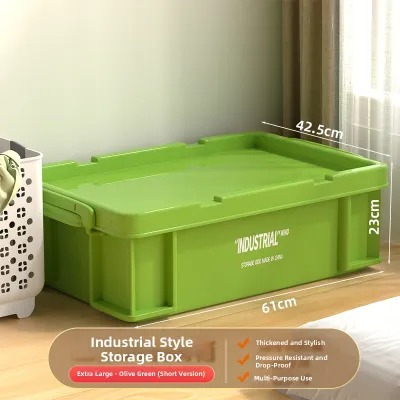
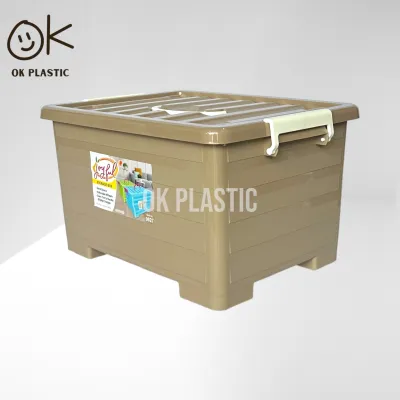
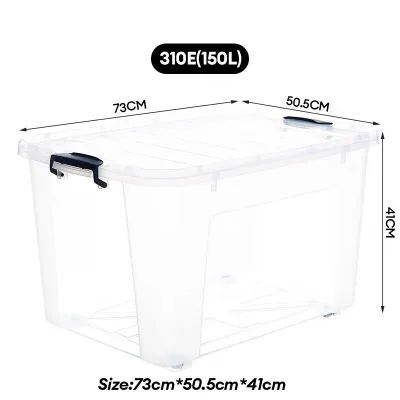
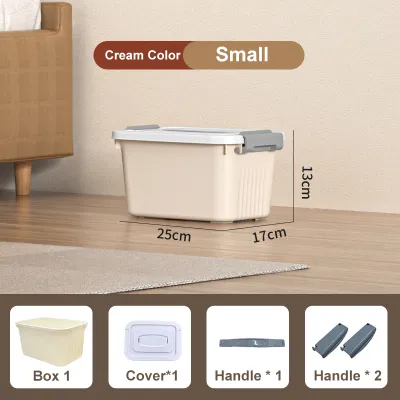
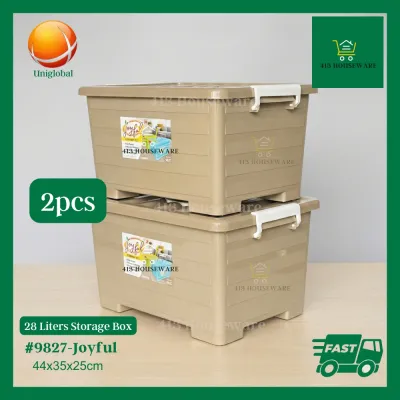

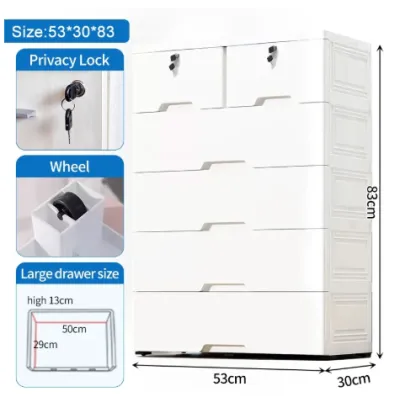
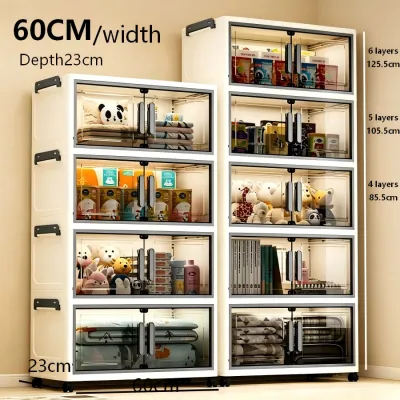
Prices are valid at publication and may change. Please refer to the product page for the latest price.
Finally, look closely for physical obstructions that reduce the actual usable space. Baseboards, door frames, closet door tracks, and protruding hinges can easily shave off a few centimeters of clearance. If your closet has sliding doors, measure the opening width when one door is fully open, as this is the maximum width a bin can be when you pull it out. Taking these physical boundaries into account ensures your wheeled container slides in and out smoothly.
Matching Bin Dimensions to Common Home Areas
Different areas of the home demand distinct bin shapes to maximize space efficiency and maintain accessibility. Wheeled bins generally fall into two categories: long, flat, low-profile designs and tall, narrow, upright designs. Mapping these profiles to specific household zones ensures that you do not waste valuable vertical space or block essential foot traffic in busy areas.

Under-Bed and Low-Clearance Spaces
Under-bed storage is ideal for seasonal clothing, extra linens, or spare shoes, but it presents strict height limitations. To find a compatible storage bin with wheels, measure from the floor to the lowest point of your bed frame. Be sure to check for any mattress sag in the middle or low-hanging support slats, as these often sit lower than the outer wooden apron of the bed.
When reviewing product specifications on an online marketplace, always verify whether the listed height includes the wheels and the lid. Some manufacturers list only the bin’s body dimensions, which can lead to a bin that is too tall once the casters are installed. The wheels typically add several centimeters to the overall height, and a latching lid can add a bit more.
To maximize this low-clearance space, look for long, narrow bins. These dimensions allow you to utilize the full depth of the bed frame while keeping the front of the bin flush with the edge of the bed. This setup prevents the container from protruding into adjacent walkways, keeping your bedroom paths clear.
Closets, Pantries, and Shelving Units
Closets and pantries require a different spatial strategy, as these areas often combine floor storage with vertical shelving. When planning to place wheeled bins on shelves, measure the shelf depth and width carefully. The bin should sit completely flush on the shelf without overhanging the edge, which could compromise stability and cause the bin to roll off.
For walk-in closets or pantry floors, evaluate the available floor space for side-by-side placement. If you plan to line up multiple bins, ensure there is enough room to pull an individual bin out without having to reposition the adjacent ones. This is especially important in tight spaces where a rolling bin needs a clear path to slide forward.
Additionally, check if the bin’s handles, latches, or lid hinges require extra clearance to open. If you must open the lid while the bin is partially inside a closet or shelf, you will need extra vertical clearance above the bin. If space is tight, look for bins with split lids or front-access doors that allow you to reach contents without removing the entire cover.
Garage, Utility, and Heavy-Duty Zones
Garages and utility rooms are ideal for larger, heavy-duty storage bins with wheels, but these spaces require careful planning due to the size and weight of the items stored. Begin by measuring the floor footprint where the bins will stand, as well as the vertical clearance if you plan to roll them under heavy-duty shelving units.
Aisle width is a critical safety consideration in utility zones. Ensure there is adequate space to pull a large bin out, turn it around, and maneuver it safely without bumping into vehicles, lawn equipment, or structural posts. A large, fully loaded bin requires a wider turning radius, so map out a clear path for movement.
You must also verify that these larger bins can easily pass through standard exterior and interior doors. If you use the bins to transport tools, garden supplies, or holiday decorations between the garage and the living areas, a bin that is too wide for your doorways will cause unnecessary frustration. Measure the clear opening of your exterior doors and utility gates to ensure seamless transport.
Evaluating Weight Capacity and Wheel Performance
Selecting the right size is not just about physical dimensions; it also involves understanding how weight capacity and wheel design affect performance. Before purchasing, always review the product label, manual, or manufacturer specifications for the maximum weight capacity. It is vital to distinguish between volume capacity (often listed in liters) and structural load limits (listed in kilograms). A bin with a large volume can easily be overloaded if filled with heavy items like books, tools, or canned goods.
The material and design of the wheels must also match your home’s flooring. Small, hard plastic wheels are common and work well on smooth, hard surfaces like tile or polished concrete, which are typical in many homes in the Philippines. However, if you plan to roll the bin over thick rugs, carpets, or uneven outdoor pathways, look for larger, rubberized wheels or heavy-duty casters that can handle the friction without stalling or scratching your floors.
To prevent damage, estimate the total weight of the items you plan to store. Overloading a storage bin with wheels can cause the plastic bottom to sag, which may drag on the floor and prevent the wheels from turning. It can also put excessive stress on the wheel mounts, leading to cracking or complete wheel failure. If you are storing heavy items, distribute the weight evenly across the bottom of the bin to maintain stability and ensure smooth rolling.
Common Sizing and Clearance Mistakes to Avoid
One of the most frequent mistakes when choosing a storage bin with wheels is failing to account for the full external dimensions. Many product listings highlight the internal storage capacity or the dimensions of the bin’s base. However, you must look for the maximum external dimensions, which include the height of the wheels, the thickness of the lid, and any protruding side handles or latches. Forgetting to add these extra centimeters can result in a bin that does not fit under your bed or inside your closet.
Another common oversight is ignoring the space needed for the bin’s turning radius and pull-out clearance. A long under-bed bin might fit perfectly under the frame, but if your bedside table or wall is too close, you will not have enough room to pull the bin out far enough to open the lid. Always ensure the clearance in front of the storage space is at least equal to the length of the bin itself.
Finally, do not overlook how the bin’s shape affects its stability when moved. Tall, narrow bins with a high center of gravity are more prone to tipping over when rolled, especially if they are loaded with heavy items near the top. When selecting taller bins, ensure the wheel base is wide enough to support the height, and always pack the heaviest items at the bottom of the container to keep it stable.
Frequently Asked Questions (FAQ)
Do I need to measure the bin with the lid on or off?
Yes, you should always measure the bin with the lid on, especially if you are placing it in a tight clearance area like under a bed or on a closet shelf. Lids often add height due to their domed designs, raised handles, or locking latches that fold over the sides. Measuring with the lid on ensures that you do not buy a bin that fits perfectly empty but becomes too tall to slide into place once closed and locked.
Can I stack storage bins with wheels?
You can stack wheeled storage bins only if the manufacturer explicitly states they are stackable and designed with interlocking lids. These lids feature molded grooves or recessed areas where the wheels of the upper bin can sit securely, preventing them from rolling or sliding off. Always check the weight limits for both the bottom bin and the stack as a whole, and place the heaviest bin at the bottom of the stack to maintain stability and prevent the lower container from warping or cracking.
Community discussion
Share your experience or ask a question. Comments are reviewed before publication.