
Finding the perfect furniture for a compact living space is a balancing act between utility and physical limits. In urban apartments and cozy townhomes, every square inch of floor space must be carefully managed to avoid a cluttered, claustrophobic feel. A tempered glass coffee table is an exceptional solution for these tight quarters, offering a functional surface without adding visual bulk. By allowing light to pass through its surface, it keeps your seating area feeling open, airy, and spacious.
To ensure a seamless fit, the ideal tempered glass coffee table for a small living room should measure between 36 and 48 inches in length, 18 to 24 inches in width, and 16 to 18 inches in height. Keeping these proportions in mind prevents the table from dominating the room while ensuring it remains highly usable. Selecting the right size requires a mix of precise physical measurements, an understanding of traffic flow, and a close look at safety specifications.
Measuring Your Small Living Room for a Coffee Table
Before browsing online catalogs or visiting local showrooms, you must establish the exact physical boundaries of your seating area. Start by measuring the length of your sofa and the distance between the sofa edge and any facing items, such as a television console, armchairs, or the opposite wall. In compact layouts, these fixed boundaries dictate the maximum footprint your new table can occupy without blocking daily movement.
Products mentioned in this guide
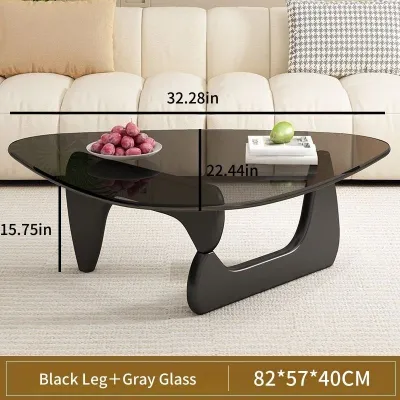
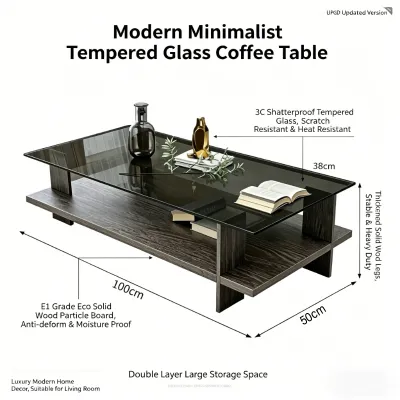
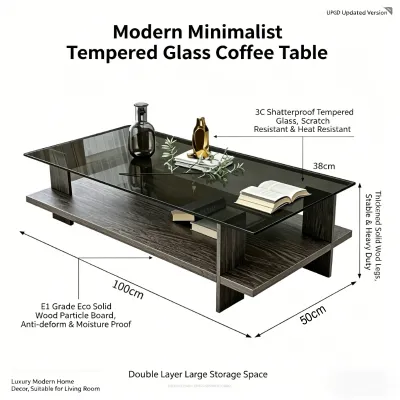
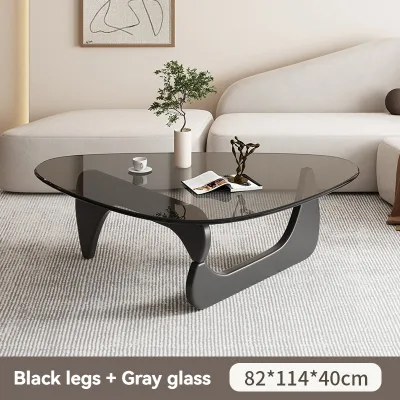


Prices are valid at publication and may change. Please refer to the product page for the latest price.
Applying standard interior design clearance rules is the next step to guarantee comfort. Always leave a gap of 14 to 18 inches between the edge of your sofa cushions and the side of the coffee table. This specific distance provides ample legroom for sitting and standing while keeping drinks, books, or remote controls within easy arm’s reach. If the gap is too narrow, you will constantly bump your knees; if it is too wide, you will have to lean forward uncomfortably to use the table.
In addition to the space immediately around the sofa, you must maintain clear walkways for moving through the room. Keep at least 24 to 30 inches of open space along the main pathways surrounding the coffee table. This ensures that family members and guests can walk past without having to turn sideways or squeeze through tight gaps. This clearance is particularly important in high-traffic areas, such as the path leading to a balcony door or an open-concept kitchen.
To avoid costly purchasing mistakes, perform a simple physical test before finalizing your choice. Use painter’s tape, newspaper, or a flattened cardboard box cut to the exact dimensions of the table you are considering, and place it on the floor in front of your sofa. Leave this mock-up in place for a day or two to physically experience how the footprint affects your daily routine. This practical test reveals whether the table will obstruct cabinet doors, footpaths, or vacuuming routes.
Ideal Dimensions for Tempered Glass Coffee Tables in Compact Spaces
When selecting a tempered glass coffee table, keeping the proportions aligned with your existing furniture preserves the balance of the room. As a general rule of thumb, the length of your coffee table should be approximately two-thirds the total length of your sofa. For small living rooms, look for tables that fall within the 36 to 48-inch range. If you have a compact two-seater love seat measuring 60 inches, a 36-inch table is a perfect match, whereas a standard three-seater sofa pairs beautifully with a 44- or 48-inch table.

To preserve precious walkway space, prioritize a narrow table width. Standard coffee tables can be quite deep, but small rooms benefit greatly from a streamlined profile. Aim for a width between 18 and 24 inches. A narrower table ensures you maintain the required clearance on both sides, keeping the layout functional even in narrow, rectangular living rooms.
Table height is equally critical for both comfort and visual harmony. Your coffee table should sit level with or up to 2 inches lower than the top of your sofa’s seat cushions. For most modern sofas, this translates to a table height of 16 to 18 inches from the floor. A table that is too tall disrupts the sightline and feels awkward to reach down to, while one that is too low requires excessive bending.
One of the greatest design benefits of a tempered glass coffee table is its minimal visual weight. Because the tabletop is completely transparent, the eye travels straight through it to the floor below, creating an optical illusion of extra space. This unique characteristic allows you to push the upper limits of these physical dimensions slightly. You can comfortably choose a slightly larger glass table than you would if you were buying a solid wood or stone alternative, making it an ideal choice for humid, tropical interiors where an airy, breathable aesthetic is highly valued.
Choosing the Right Shape for Small Room Traffic Flow
The silhouette of your coffee table plays a major role in how naturally people move through your living room. Round and oval tempered glass tables are highly recommended for tight spaces with active traffic patterns. Because they lack sharp corners, these shapes allow you to navigate closely around the table without the risk of painful bumps or bruises. They are also excellent for softening the rigid, linear lines common in small apartments and modern condominiums.
Rectangular and square tables are highly effective at anchoring a traditional, linear seating arrangement. A rectangular glass table provides a long, functional surface that mirrors the shape of a standard sofa, making it easy for everyone seated to reach the table. However, these shapes require more meticulous clearance planning. You must ensure that the sharp corners do not extend into your main walking paths, which can make the room feel restricted and difficult to navigate.
If floor space is exceptionally tight, consider versatile, space-saving alternatives. Nesting glass tables consist of two or three tables of graduated sizes that slide completely underneath one another when not in use. You can tuck them away to maximize floor space for daily living, then pull them apart to expand your surface area when hosting guests. Alternatively, look for minimalist frames that can be easily moved to the side of the room when you need open space for activities.
Safety and Specification Checks for Tempered Glass
While aesthetics and size are key, verifying the technical specifications of a tempered glass coffee table is essential for long-term safety and durability. Always check the manufacturer’s product details for the exact glass thickness. For a reliable tabletop that can withstand daily residential use, look for glass that is at least 6mm to 8mm thick (approximately 1/4 inch to 3/8 inch). Thinner glass is more susceptible to flexing, cracking, or breaking under pressure.
Pay close attention to the edge treatment of the glass. In a compact living room where you walk in close proximity to the furniture, sharp or raw glass edges pose a safety hazard. Prioritize tables featuring polished, beveled, or rounded edges. These treatments smooth out the perimeter of the glass, making it safe to touch and reducing the risk of chipping if an object accidentally bumps the side.
Because glass is a heavy material, the table’s base must offer exceptional stability to prevent tipping. Examine the frame construction—whether made of powder-coated steel, rust-resistant iron, or solid hardwood—to ensure it has a wide, balanced footprint. Check that the glass top is securely anchored to the frame using heavy-duty suction pads, specialized brackets, or recessed channels. This prevents the glass from sliding out of place if nudged.
Finally, always verify the manufacturer’s stated weight capacity before making a purchase. While high-quality tempered glass is remarkably strong, it is not designed to support unlimited weight. A standard, well-constructed glass table typically supports between 30 and 50 kilograms. Knowing this limit helps you avoid overloading the table with heavy books, decorative trays, or laptop setups, ensuring it remains a safe fixture in your home.
Common Sizing and Placement Mistakes to Avoid
One of the most frequent mistakes buyers make is choosing a table with a height that does not match their seating. A table that towers over your sofa cushions or sits too low near the floor creates an awkward, uncoordinated look. Always measure your sofa cushion height first, and select a table that sits within the recommended 1 to 2 inches below that mark to maintain proper ergonomics.
Another common error is ignoring the visual weight of the table’s base. Even if the tabletop is made of clear glass, a bulky, solid wooden block or a heavy, enclosed metal base can completely negate the space-saving, airy benefit of the glass. To keep your small room looking open, select frames with slim, minimalist legs, open geometric wire designs, or slender wooden supports that allow light to filter through the entire piece.
Lastly, be careful not to place your coffee table too close to your media console or TV stand. In narrow living rooms, it is tempting to push the table forward to create more space near the sofa, but this often blocks the drawers or cabinet doors of your entertainment unit. Always maintain the minimum 24-inch clearance in front of your media storage to ensure you can access your electronics and storage easily without feeling cramped.
Frequently Asked Questions (FAQ)
Can a tempered glass coffee table make a small room look bigger?
Yes, a tempered glass table is an excellent tool for creating the optical illusion of a larger room. Because the transparent glass allows light to pass through and keeps the floor underneath fully visible, it carries very little visual weight. This openness reduces visual clutter, making a compact seating area feel much larger and more breathable than it would with a solid wood or stone table.
Is tempered glass safe for homes with small children or pets?
Tempered glass is highly resilient and designed specifically with safety in mind. If it does break under extreme impact, it fractures into small, blunt, relatively harmless granules rather than sharp, jagged shards. For homes with active children or pets, choosing a round or oval shape with polished, rounded edges provides an extra layer of protection against accidental bumps in tight spaces.
What is the best way to clean a tempered glass coffee table without streaks?
To keep your glass surface crystal clear, use a clean microfiber cloth paired with a dedicated glass cleaner or a simple mixture of equal parts white vinegar and water. Wipe the surface in a circular motion, or use a small squeegee to prevent lint and streaks from forming. Avoid using abrasive scrubbing pads, steel wool, or harsh scouring powders, as these can permanently scratch the tempered surface.
Community discussion
Share your experience or ask a question. Comments are reviewed before publication.