
Choosing the right wall-mounted kitchen shelf for a compact Filipino kitchen requires balancing vertical storage needs with the physical limits of your cooking space. In many local homes, condominiums, and apartments, kitchen layouts are highly compact, meaning every centimeter of wall space must be utilized efficiently without making the room feel cramped or dark.
To find the ideal size, you must measure your available wall area, evaluate the items you plan to store, and assess your wall structure to ensure a safe, stable installation. By focusing on precise dimensions and appropriate mounting methods, you can maximize your kitchen’s efficiency while keeping walkways clear and safe.
Assessing Your Kitchen Wall Space and Layout
Before purchasing any wall-mounted kitchen shelf, you must accurately map out your kitchen wall to identify the exact zone where the shelf will hang. Start by measuring the total width and height of the target wall area using a reliable metal tape measure.
Products mentioned in this guide
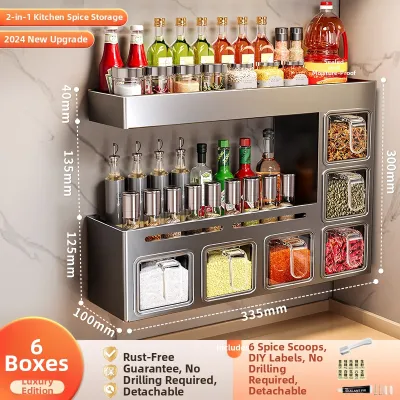
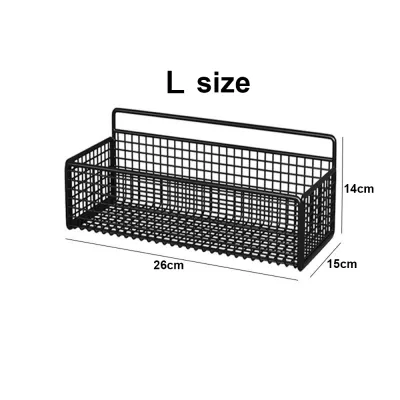
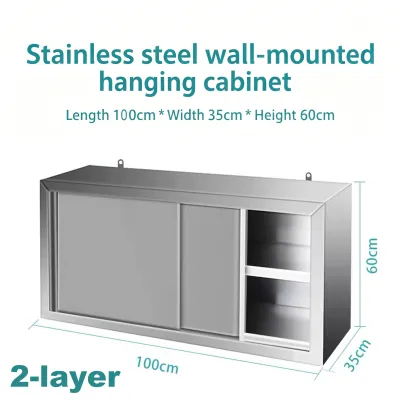
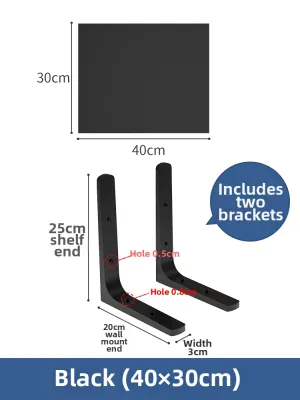
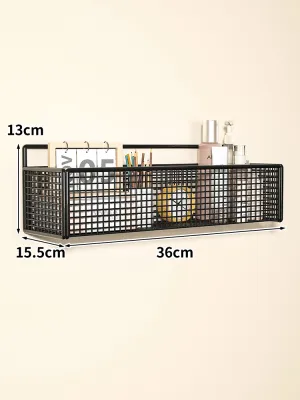
Prices are valid at publication and may change. Please refer to the product page for the latest price.
It is crucial to account for the swing radius of nearby cabinet doors, refrigerator doors, and even the entry door to the kitchen. A shelf that is too wide or positioned too close to a corner can easily block these doors from opening fully, leading to daily frustration and potential damage to your cabinetry.
Beyond door swings, you must identify and measure around fixed physical obstacles that cannot be easily relocated. In Filipino kitchens, these obstacles frequently include electrical outlets for rice cookers and blenders, light switches, windows, range hood vents, and exposed plumbing or gas lines.
Ensure you leave a generous buffer zone around outlets and switches so that power cords can be plugged in and unplugged safely without being bent or pinched by the shelf structure.
Traffic flow is another critical factor when determining the depth of your shelf, especially in narrow galley kitchens common in local townhomes and condominiums. A shelf that protrudes too far into a high-traffic pathway creates a persistent head-bump hazard and restricts your physical movement while cooking.
As a general rule, walk through your kitchen and simulate your daily cooking routine to ensure that your elbows, shoulders, and head will have completely unobstructed clearance when moving past the proposed shelf location.
Determining Shelf Dimensions Based on Storage Needs
The ideal dimensions of your wall-mounted kitchen shelf depend heavily on what you intend to store. Matching the shelf depth to your specific kitchen items prevents wasted space and keeps the shelf from feeling visually overwhelming.

For instance, if you primarily need to organize small spice jars, coffee mugs, or drinking glasses, a shallow shelf depth is highly efficient and keeps items within arm’s reach. On the other hand, if you plan to store dinner plates, mixing bowls, or small countertop appliances, you will require a deeper profile to ensure these larger items do not overhang the edge.
Vertical space and configuration also play a major role in your decision-making process. You can choose between a single-tier shelf, a multi-tier unit, or an adjustable shelving system.
Single-tier shelves are excellent for high-traffic areas above prep counters because they offer quick access without blocking light or vertical clearance. Multi-tier configurations maximize vertical wall space but require careful height planning to ensure the top shelves remain reachable.
If your storage needs tend to change over time, look for adjustable systems that allow you to reposition individual shelves to accommodate taller items like pitchers or canisters.
For exceptionally tight spaces, consider flexible designs such as foldable or retractable wall shelves. These space-saving options allow you to fold the shelf flat against the wall when it is not in use, instantly freeing up physical and visual space.
This flexibility is particularly useful in multi-purpose kitchen areas where you might need extra room for food preparation during large family gatherings but prefer a cleaner, more open look during the rest of the week.
Evaluating Wall Types and Weight Capacity Limits
A shelf is only as reliable as the wall supporting it, making it essential to evaluate your kitchen’s wall material before finalizing your shelf size and loading it with heavy items. In the Philippines, kitchen walls are commonly constructed from solid concrete, concrete hollow blocks, or, in newer high-rise developments, drywall over metal studs.
Each of these materials requires specific mounting hardware and installation techniques. Concrete and hollow block walls offer excellent load-bearing capacity but require masonry drill bits and heavy-duty wall anchors, whereas drywall installations must be anchored directly into the wall studs to prevent the shelf from pulling out of the wall.
Rather than assuming a shelf’s weight capacity based solely on its material name or visual thickness, always check the manufacturer’s official specifications for the maximum weight limit. High humidity levels in tropical climates can affect the structural integrity of certain materials over time, so verifying the manufacturer’s guidelines for both the shelf and the brackets is a critical safety step.
Remember that the total weight capacity includes not only the items stored on the shelf but also the weight of the shelf itself.
To minimize structural stress on your wall and brackets, plan your load distribution carefully. Place your heaviest items, such as ceramic plates, heavy pots, or glass jars, on the lowest shelves or as close to the wall brackets as possible to reduce leverage and pulling force.
Lighter items, like plastic containers or paper goods, should go on higher shelves or outer edges. If you notice any signs of wall cracking, loose anchors, or shelf sagging during or after installation, stop immediately, remove all items, and consult a qualified professional carpenter or contractor to assess the wall’s structural integrity.
Common Sizing Mistakes to Avoid in Compact Kitchens
One of the most frequent mistakes when selecting a wall-mounted kitchen shelf is overestimating the required depth. While a deep shelf seems like it would offer more storage, it often results in items getting lost or forgotten at the back, while simultaneously blocking natural light and interfering with nearby appliance doors or drawers.
A shelf that is too deep can make a small kitchen feel claustrophobic and significantly reduce the usable workspace on the countertop below.
Another common error is ignoring vertical clearance requirements between the shelf and other kitchen elements. Placing a shelf too low can make it difficult to operate countertop appliances, block access to wall outlets, or make cleaning the countertop a chore.
Conversely, mounting a shelf too high makes daily items inaccessible without a step stool, increasing the risk of accidental drops and spills.
Finally, choosing an overly wide or bulky shelf can completely disrupt the visual balance of a compact kitchen. A massive, heavy-looking shelf can dominate the room, making the entire space feel smaller and more cluttered than it actually is.
Opting for streamlined, open-bracket designs that match the scale of your kitchen layout helps maintain an airy, open feel while still providing the essential storage space you need.
Frequently Asked Questions (FAQ)
How much clearance should I leave between a wall-mounted shelf and the countertop?
When planning the vertical placement of your shelf, aim for a clearance that allows comfortable hand movement and easy access to the countertop below. A practical approach is to measure the height of your tallest countertop appliances, such as a blender, coffee maker, or rice cooker, and ensure the bottom of the shelf sits well above them. This ensures you can operate, open, and clean these appliances safely without hitting the shelf above.
Can I install a wall-mounted shelf on kitchen tiles without cracking them?
Yes, but drilling into kitchen tiles requires specific precautions to avoid costly damage. Always use a specialized drill bit designed specifically for tile, glass, or masonry, and run the drill at a slow, steady speed without applying excessive forward pressure.
Whenever possible, try to align your mounting holes with the grout lines to minimize the risk of cracking the tile faces. Before drilling, use a stud finder or utility detector to check for underlying water pipes or electrical wires, and if you are dealing with fragile tiles or are unsure of the wall structure behind them, it is highly recommended to hire a professional installer.
Community discussion
Share your experience or ask a question. Comments are reviewed before publication.