
Selecting the right size plastic cabinet for your bedroom requires balancing your actual floor space with your daily storage needs. A cabinet that is too large can block pathways and make a room feel cramped, while one that is too small leads to cluttered surfaces and disorganized clothes. By measuring your room’s physical limits and matching them to modular configurations, you can find a setup that maximizes storage without overwhelming your living space.
Assess Your Bedroom Space and Clearance Requirements
Before browsing any catalog, grab a steel measuring tape to map out the physical boundaries of your bedroom. Measure the exact width and depth of the floor area where you plan to place the cabinet. Do not rely on visual estimates, as baseboards and uneven walls can reduce your usable space by several centimeters. Additionally, measure the ceiling height from the floor to ensure any tall or stacked units will fit comfortably without hitting light fixtures or ceiling fans.
Clearance is just as critical as the physical footprint of the furniture. You must account for the space required to fully open cabinet doors and pull out drawers. Measure the distance from the front of the cabinet to the nearest obstacle, such as a bed frame or desk. A good rule of thumb is to allow at least 60 to 90 centimeters of open space in front of the cabinet to ensure you can stand, bend, and access your items comfortably.
Products mentioned in this guide
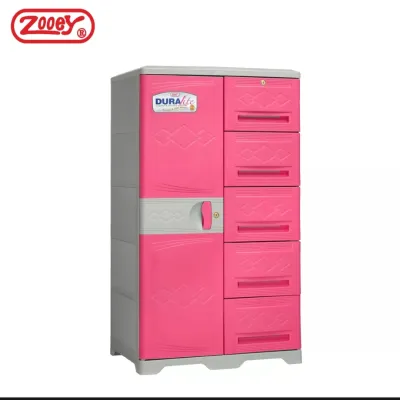
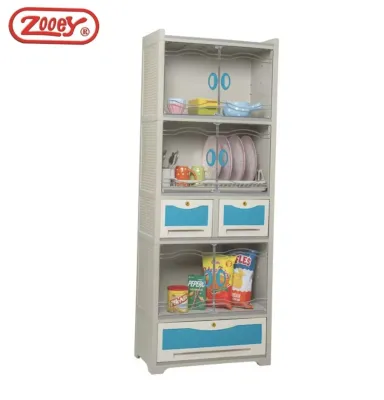
Prices are valid at publication and may change. Please refer to the product page for the latest price.
Finally, look for hidden obstructions along the wall and floor. Baseboards can prevent a cabinet from sitting flush against the wall, which affects stability. Take note of wall outlets, light switches, and air conditioning units that might be blocked or obstructed by a tall plastic wardrobe. In tropical climates, keeping cabinets clear of wall-mounted cooling units or electric fan pathways is essential for maintaining proper airflow and preventing localized moisture buildup.
Estimate Your Storage Capacity Needs
To choose the right cabinet size, you must first understand what you intend to store inside it. Group your bedroom items into distinct categories: hanging garments, folded clothes, and bulky items like extra bedsheets or pillows. If your wardrobe consists mostly of lightweight tropical wear, t-shirts, and shorts, you will require more shelving and drawer space than hanging space.

Estimate the ratio of hanging space to shelving space based on your current wardrobe. Hanging rods require more vertical height and depth to prevent clothes from bunching up against the doors. On the other hand, folded items can be stacked efficiently on wide shelves or inside deep drawers, making better use of a compact footprint.
Do not just plan for your current wardrobe; consider future storage needs and seasonal changes. In many households, storage demands grow over time, or you may need extra space to store seasonal bedding during cooler months. Choosing a modular system allows you to start with a baseline size and expand upward or outward as your storage requirements evolve.
Match Dimensions to Zoeey Plastic Cabinet Configurations
Once you have your room measurements and storage estimates, you can match them to specific configurations of a zoeey plastic products cabinet. Standard plastic cabinets come in various depths, typically ranging from shallow units designed for folded clothes to deeper models equipped with hanging rods. Verify the depth of the cabinet doors and frame to ensure your hangers will fit without bending or pressing against the front panels.
Width is another critical dimension to compare. Modular plastic cabinets often come in standard width increments, allowing you to place two smaller units side-by-side or select a single wide unit. If your bedroom has a narrow alcove, measuring the exact width of the alcove and comparing it to the manufacturer’s specification sheet will prevent a costly mismatch.
Always verify the exact dimensions and module compatibility on the official Zoeey product specification sheets before making a purchase. Because plastic components are molded, their outer dimensions are precise, and even a few millimeters of deviation can prevent a unit from fitting into a tight space. Check whether the doors open outward on hinges or slide, as sliding doors can save valuable floor space in tight bedrooms.
Verify Assembly, Stability, and Delivery Constraints
A cabinet that fits perfectly on paper must still find its way into your bedroom. Measure the width of your front door, hallway corners, stairwells, and elevator doors to ensure the packaged components can be delivered safely. Plastic cabinets are often shipped flat-packed, but the individual panels can still be bulky and require adequate clearance during transport.
Once the parts are inside, floor leveling becomes a primary concern for stability. Many bedroom floors, especially in older homes or tiled spaces, may have slight slopes. Because plastic is lightweight compared to solid wood, an uneven floor can cause a tall cabinet to lean, preventing the doors from aligning or closing properly. Use a spirit level during assembly to check that the base is perfectly flat.
Safety is paramount when dealing with tall or stacked plastic furniture. Review the manufacturer’s instructions for wall anchoring, weight distribution, and structural limits. Always place heavier items, such as bed linens or organizers, in the bottom drawers or shelves to lower the center of gravity. If you are assembling a tall configuration, utilize the provided wall anchors to secure the unit and prevent accidental tip-overs.
Common Sizing Mistakes to Avoid
One of the most frequent errors is pushing a plastic cabinet completely flush against a bedroom wall without leaving a ventilation gap. In humid environments, trapping air behind large plastic surfaces can lead to moisture buildup and musty odors. Leave a gap of at least 2 to 5 centimeters behind and beside the cabinet to promote healthy air circulation.
Another common mistake is overestimating the weight capacity of plastic shelves. While high-quality plastic is durable, it is not designed to support heavy stacks of books, heavy tools, or dense storage boxes. Always check the manufacturer’s load ratings for individual shelves and drawers to avoid sagging or structural warping over time.
Lastly, do not forget to measure the depth of window sills, window trim, or hanging curtains. A cabinet placed too close to a window may prevent curtains from closing fully, or the curtains might get caught in the cabinet doors. Ensure there is sufficient clearance between the edge of the cabinet and any window treatments to maintain both functionality and aesthetics.
Frequently Asked Questions (FAQ)
Can I stack multiple plastic cabinets to increase bedroom storage height?
You should only stack plastic cabinets if the manufacturer explicitly states that the units are modular and designed for vertical stacking. Check the official product guidelines for compatible interlocking mechanisms that secure the top unit to the bottom one. If stacking is permitted, always anchor the entire assembly to the wall to eliminate the risk of tipping, and keep the heaviest items in the lowest compartments.
How do I protect a plastic cabinet from warping in a humid bedroom?
To protect your plastic cabinet from warping or degrading, avoid placing it in direct sunlight or near heat sources like sunny windows or appliances. Ensure your bedroom has adequate air circulation, especially during humid seasons, by using fans or dehumidifiers. Regularly wipe down the interior and exterior surfaces with a dry or slightly damp microfiber cloth, and check the material care labels for any specific temperature or humidity limits.
Community discussion
Share your experience or ask a question. Comments are reviewed before publication.