
Hanging a traditional duyan safely requires hardware designed specifically to support human weight under dynamic movement. To secure your duyan, you must use a heavy-duty, load-rated snap link ring—often referred to as a snapling ring—that features a verified Working Load Limit (WLL) stamped directly onto the metal or detailed in the manufacturer’s official specifications. Relying on generic utility clips or unrated hardware found in local shops poses a significant safety risk, as these items are prone to sudden failure under the stress of swinging.
The ideal snap link ring must match the physical dimensions of your duyan’s suspension ropes, fit securely into your overhead anchor points, and resist the corrosive effects of high humidity. By focusing on certified load capacities, material durability, and precise physical compatibility, you can create a relaxing and secure setup for your veranda, garden, or indoor living space.
Understanding Load Ratings and Weight Capacity
When selecting hardware to hang your duyan, understanding the distinction between different weight ratings is the most critical step in preventing structural failure. Many retail hardware items list a breaking strength or ultimate tensile strength on their packaging. This figure represents the absolute maximum force the hardware can withstand before fracturing under laboratory conditions, and it should never be used as a guide for daily weight capacity.
Products mentioned in this guide
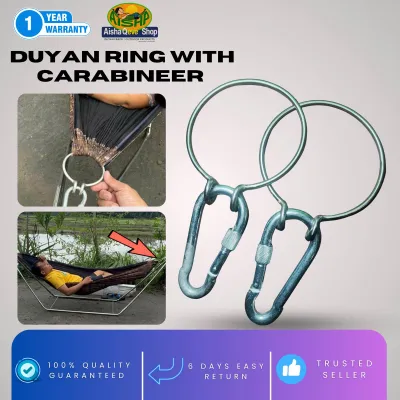
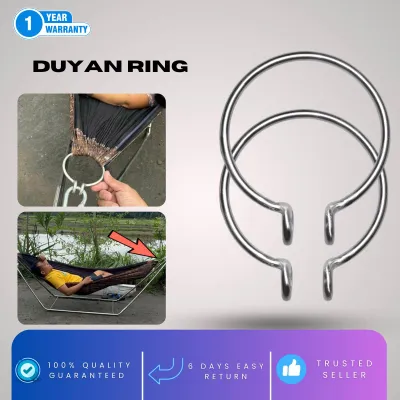
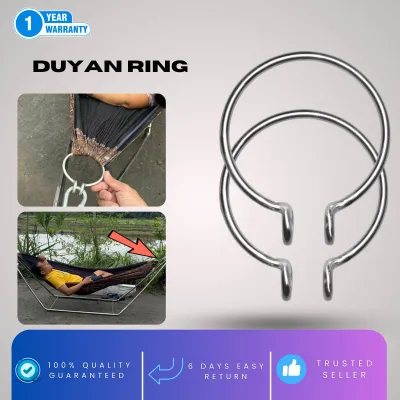
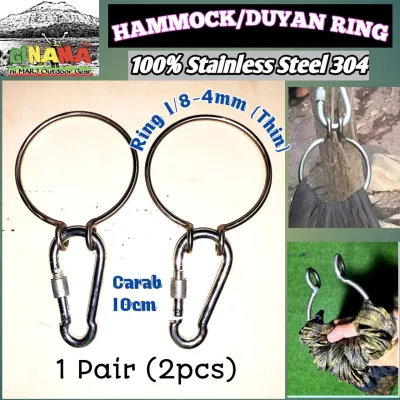
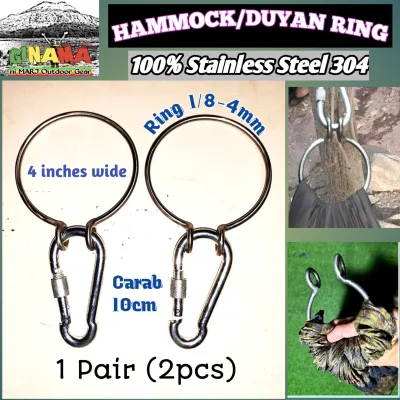
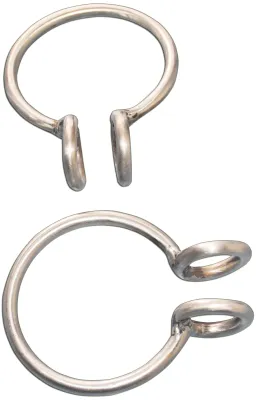
Prices are valid at publication and may change. Please refer to the product page for the latest price.
Instead, you must look exclusively for the Working Load Limit (WLL) or safe working load. The WLL is a conservative rating established by manufacturers that accounts for real-world wear, material fatigue, and safety margins. For a duyan installation, the hardware must support not just static weight, but also the dynamic forces generated when a person sits down, shifts positions, or gently swings.
To determine the minimum required WLL for your snap link ring, you must calculate the total dynamic load of your setup. Start by adding the weight of the duyan itself to the maximum weight of the heaviest potential occupant. Because swinging increases the downward force exerted on the anchor points, structural guidelines generally recommend multiplying this static weight by a safety factor of at least two or three to account for dynamic movement.
Before purchasing any snap link ring, locate the official WLL stamped directly onto the body of the metal or printed on the manufacturer’s product label. If a piece of hardware lacks a visible, verified load rating, do not attempt to guess its capacity based on its thickness or weight. Unrated hardware is often manufactured from low-grade alloys that can fail without warning under normal use.
Choosing the Right Material for Your Installation Environment
The tropical climate presents unique challenges for metal hardware, making material selection a key factor in the longevity and safety of your duyan setup. High humidity, seasonal rains, and salty coastal breezes can rapidly corrode unprotected metals, weakening the structural integrity of your snap link ring over time.

Stainless steel is widely considered a highly reliable material for outdoor and high-humidity installations, such as open-air verandas or garden trees. Look specifically for marine-grade stainless steel, often labeled as grade 316, or standard grade 304 stainless steel. These alloys contain chromium and nickel, which form a passive microscopic layer of oxide on the surface to prevent rust and pitting even when exposed to direct rain.
Galvanized steel offers a more budget-friendly alternative for outdoor use, featuring a protective zinc coating applied over carbon steel. While galvanized hardware resists rust effectively in many environments, the protective layer can gradually wear away at the contact points where the duyan’s ropes or chains rub against the ring. If you choose galvanized hardware, you must regularly inspect the friction points for signs of exposed dark steel or orange rust.
Untreated carbon steel or basic zinc-plated hardware should only be used in fully enclosed, climate-controlled indoor spaces. In a typical tropical environment, simple zinc plating offers minimal protection and can begin to rust within a few months of exposure to ambient humidity. Remember that a material name alone does not guarantee weatherproof performance; always verify that the manufacturer explicitly rates the finished hardware for outdoor or marine use.
Sizing and Physical Compatibility Checks
A secure duyan setup requires a perfect physical match between the snap link ring, the hammock’s suspension ends, and the overhead anchor points. If the hardware is too small, you risk pinching and damaging the ropes; if it is too large, it can shift excessively, causing friction and premature wear.
Begin by measuring the diameter of your duyan’s suspension ropes or the thickness of the attachment loops. Compare this measurement to the gate opening width of the snap link ring. The gate must open wide enough to allow the suspension rope or metal thimble to slide in smoothly without forcing or scraping against the screw gate or spring latch.
Next, examine the top loop of the snap link ring and ensure it is large enough to accommodate your overhead anchor point. Whether you are attaching the ring to a heavy-duty eye bolt, a ceiling hook, or a fabric tree strap, the connection must be loose enough to allow the snap link to pivot freely as the duyan swings. If the anchor point is too thick, it can bind inside the ring, creating bending stresses that the hardware was not designed to handle.
Avoid forcing hardware into undersized gaps or using mismatched components that create sharp angles. When ropes rub directly against rough metal threads or tight corners, the fibers can fray rapidly under tension. If your duyan uses metal chain links instead of ropes, ensure the snap link’s hook diameter is slightly smaller than the inner clearance of the chain links to prevent binding.
Installation Safety and When to Consult a Professional
Even the strongest snap link ring is only as safe as the structure supporting it. Before clipping in your duyan, you must carefully evaluate the load-bearing capacity of your chosen overhead support, whether it is a solid wooden beam, a concrete ceiling, or a freestanding metal frame.
When installing into wooden structures, ensure the wood is structurally sound, free of rot, and thick enough to hold heavy-duty lag eye bolts. For concrete installations, use dedicated expansion anchors designed for structural overhead loads. Never attach hanging hardware to drywall, plaster ceilings, decorative wooden trim, or thin porch rafters, as these materials cannot support the dynamic forces of a swinging adult.
If you encounter any uncertainty during the installation process, stop immediately. Signs of aging wood, crumbling concrete, or unknown wall materials are clear indicators that you should not proceed. Do not attempt to modify structural beams or drill into tensioned concrete slabs without professional guidance.
In these scenarios, consulting a qualified carpenter, contractor, or structural engineer is the safest course of action. A professional can verify the load path of your home’s structure, recommend the correct anchoring fasteners, and ensure that your snap link ring is connected to a support system that can easily handle the dynamic weight of your duyan for years to come.
Frequently Asked Questions (FAQ)
Can I use a standard climbing carabiner instead of a heavy-duty snap link?
While high-quality climbing carabiners are engineered for safety and carry high load ratings, they are designed specifically for climbing ropes and dynamic fall protection rather than continuous, high-friction utility hanging. Climbing carabiners are often made of lightweight aluminum, which can wear down quickly when rubbed against steel eye bolts or rough chains. For a permanent or semi-permanent duyan setup, a heavy-duty steel snap link ring with a dedicated Working Load Limit is more durable and resistant to the constant friction of daily swinging.
How often should I inspect the snap link ring for wear?
You should perform a quick visual check of your duyan hardware before every use, along with a thorough inspection at least once a month. Look closely for any signs of metal thinning at the contact points, hairline cracks, or rust formation. Test the gate mechanism to ensure the spring latch snaps shut completely and any locking sleeves thread smoothly. If you notice more than ten percent wear on the metal thickness, a sticky gate, or deep corrosion, replace the snap link ring immediately to maintain a safe hanging environment.
Community discussion
Share your experience or ask a question. Comments are reviewed before publication.