
Selecting the right sofa foam padding for a large, heavily used family couch requires balancing long-term durability with everyday comfort. Because high-traffic environments accelerate cushion breakdown, the core decision relies on understanding the difference between foam density and firmness. For a household of three to five people, choosing a high-density foam core wrapped in a softer comfort layer ensures the sofa remains supportive and comfortable for years. This guide helps you assess your household’s specific usage patterns, verify manufacturer specifications without relying on vague marketing terms, and maintain your cushions to maximize their structural integrity over time.
Decoding Foam Density vs. Firmness for Daily Use
To make an informed purchase, you must first separate how long a cushion will last from how it feels when you first sit down. These two characteristics are governed by entirely different physical properties: density and firmness.
Foam density refers to the weight of the foam per unit volume, typically measured in kilograms per cubic meter. It indicates how much actual polyurethane material is packed into the cushion versus how much air is trapped inside. High-density foam contains more material and fewer air pockets, which directly correlates to the cushion’s resistance to sagging, its ability to bounce back, and its overall lifespan.
Products mentioned in this guide
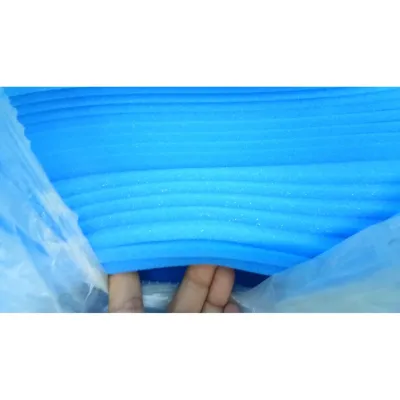
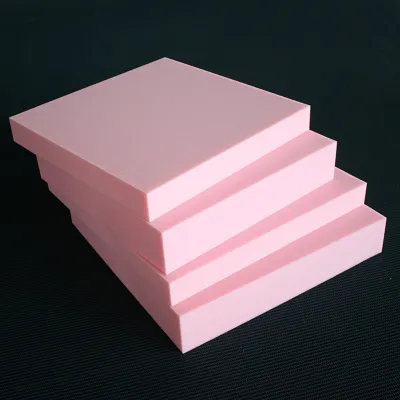
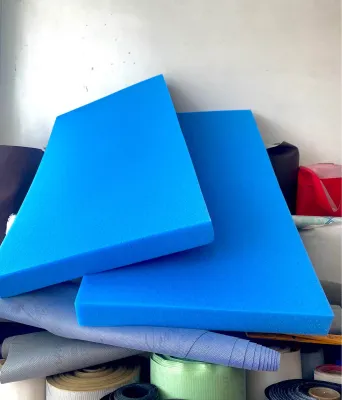
Prices are valid at publication and may change. Please refer to the product page for the latest price.
Firmness, on the other hand, is the initial resistance to pressure. Often measured by Indentation Load Deflection (ILD), firmness determines whether a seat feels plush, medium, or hard. It is a measure of surface feel rather than structural integrity.
A common misconception is that high-density foam always results in a hard, uncomfortable seat. In reality, manufacturers can engineer high-density foam to be incredibly soft and plush, or low-density foam to feel stiff and firm. A low-density, firm foam may feel supportive in the showroom, but its weak cell structure will quickly collapse under daily family use, leaving you with a saggy, uncomfortable couch within months.
When shopping for a family sofa, look for products that list both metrics independently. Avoid generic “high-density” marketing labels, which are often used loosely to describe standard-grade foams. Instead, ask for the specific density rating to ensure you are getting a truly durable product.
Matching Foam Support to Your Family’s Weight and Habits
A sofa designed for a large family of three to five people must withstand a wide range of physical demands. Evaluating your household’s specific physical and behavioral variables will help you determine the necessary support threshold for your new furniture.

First, consider the weight distribution of the regular users in your home. Heavier individuals exert more concentrated downward force on the cushions. If the foam density is too low, the cushion will compress completely under their weight, causing them to “bottom out” against the hard wooden or metal frame underneath. A higher density core distributes this weight more evenly, preventing premature wear and maintaining proper spinal alignment.
Next, factor in the dynamic usage habits common in active households. Children jumping on the seats, family members shifting positions frequently, or teenagers using the sofa as a makeshift bed all place sudden, high-impact stress on the foam’s cell structure. These dynamic forces accelerate the breakdown of low-quality materials much faster than quiet, static sitting.
The daily duration of use also plays a critical role in foam degradation. In busy households, the sofa is rarely empty, meaning the foam is under near-continuous compression for hours at a time. This constant pressure, combined with body heat and environmental factors, can cause the foam cells to fatigue if they lack the structural integrity of a high-density rating.
To counter these daily stresses, your family sofa needs a robust core support system. Rather than relying solely on a thick layer of soft comfort foam, look for a design that utilizes a highly resilient, dense base foam to absorb the heavy loads, topped with thinner comfort layers to provide the desired surface softness.
Verifying Foam Specifications and Cushion Construction
Before committing to a purchase, you should actively interrogate the product’s construction and verify the manufacturer’s specifications. Relying on vague sales pitches can lead to a disappointing investment that sags prematurely.
Start by requesting the exact foam core density specifications from the retailer or manufacturer. For a high-traffic family sofa, a core density of at least 30 to 35 kilograms per cubic meter is recommended for standard use, while 40 kilograms per cubic meter or higher offers premium durability. If a seller cannot provide these numbers, it is best to look elsewhere.
Next, examine the internal layering of the cushion construction. The most durable and comfortable family cushions use a “sandwich” or wrapped design. This typically features a high-density polyurethane foam core wrapped in a softer layer of memory foam, down alternative, or polyester batting (often called dacron wrap). This construction provides a plush, inviting initial feel while ensuring the dense core prevents you from sinking too deep.
You must also verify the overall weight capacity and finished dimensions of the sofa frame. A high-quality foam cushion is only as good as the foundation it rests on. Ensure the frame is constructed from kiln-dried hardwood or heavy-duty metal, and check that the finished dimensions fit your living room layout, including doorway and hallway access for delivery.
Finally, always check for removable covers and zippered cushion inserts. In a busy household, spills, stains, and dust are inevitable. Removable covers make cleaning much easier and, more importantly, allow you to easily inspect, rotate, or eventually replace the foam inserts years down the line without needing to discard the entire sofa frame.
Testing Cushions In-Store and Maintaining Them at Home
If you are shopping in person, you can perform several physical tests to evaluate the quality of the sofa foam padding. Once the sofa is in your home, a regular maintenance routine will significantly prolong its lifespan.
When testing a sofa in-store, do not just sit down briefly and stand back up. Sit directly on the edges of the cushions to see if they collapse completely or hold their shape. Apply concentrated pressure with your fist or elbow to the center of the cushion; high-quality foam should offer firm resistance and bounce back to its original shape almost instantly when you release the pressure.
We also recommend performing an extended test-sit. Spend at least 10 to 15 minutes sitting on the sofa in the positions your family naturally uses, such as lounging, slouching, or lying down. This allows you to evaluate how the foam handles your body heat and sustained compression over a longer period, ensuring it does not become uncomfortably hot or lose its support.
Once you bring your sofa home, establish a regular maintenance schedule to distribute wear evenly across the seating surface. Rotate and flip the seat and back cushions every few weeks, especially the ones in the highly popular middle or corner spots. Plump up loose cushions regularly to restore their loft and prevent the filling from shifting.
Environmental factors also play a major role in foam longevity, particularly in tropical climates like the Philippines. Keep your sofa out of direct sunlight, as ultraviolet rays can dry out and crumble polyurethane foam over time. Additionally, manage indoor humidity levels and ensure good ventilation to prevent moisture from getting trapped inside the cushions, which can degrade the foam structure and lead to mold growth.
Recognizing Foam Breakdown and Planning Replacements
Even the highest quality foam will eventually reach the end of its lifespan. Recognizing the early signs of degradation allows you to plan your next steps before the sofa becomes completely uncomfortable.
The most obvious warning sign of foam breakdown is the appearance of permanent indentations or “wells” in the seating area that do not bounce back after you stand up. You might also experience a “bottoming out” feeling, where you can clearly feel the hard wooden slats, springs, or frame of the sofa beneath you. Additionally, if the upholstery fabric begins to look excessively wrinkled, loose, or saggy, it often indicates that the foam core underneath has lost its original volume and support.
If you notice these signs, you do not necessarily need to buy a brand-new sofa. If the wooden frame is still sturdy and the outer fabric is in good condition, replacing just the foam inserts is a highly practical, cost-effective, and eco-friendly solution.
To do this, consult a professional local upholsterer who can cut new, high-density foam inserts to fit your existing cushion covers perfectly. The budget estimates for custom-cut replacement foam in Philippine Pesos (₱) will vary widely depending on the exact dimensions, thickness, and density you select, but it is almost always a fraction of the cost of purchasing a new high-quality couch.
Avoid temporary DIY fixes, such as stuffing loose polyester fiberfill, old blankets, or unverified low-density foam scraps into the cushion covers. These materials do not provide the uniform support required for proper seating ergonomics, can cause physical discomfort, and may put excessive strain on the zippers and seams of your original covers, leading to costly tears.
Frequently Asked Questions (FAQ)
Does a higher foam density always mean a firmer seat?
No, foam density and firmness are independent measurements. Density refers to the weight of the foam per unit volume, which determines its durability and lifespan, while firmness measures how soft or hard the surface feels. Manufacturers can produce high-density foam in a wide range of firmness levels, allowing you to choose a soft, plush cushion that still offers excellent longevity and resistance to sagging.
Is it worth replacing the foam inserts instead of buying a new sofa?
Yes, replacing the foam inserts is highly recommended if your sofa has a solid, high-quality frame (such as kiln-dried hardwood) and the upholstery fabric is still in good condition. Purchasing custom-cut, high-density foam inserts is significantly cheaper than buying a new, well-constructed family sofa, allowing you to restore the original comfort and support of your couch at a fraction of the price.
Community discussion
Share your experience or ask a question. Comments are reviewed before publication.