
Selecting the right stainless steel storage cabinet for a kitchen in the Philippines requires a careful balance of spatial planning, material verification, and workflow integration. In a tropical climate where high humidity, ambient heat, and pest control are constant challenges, traditional wooden or fiberboard cabinetry can warp, swell, or harbor unwanted insects over time. A well-chosen stainless steel unit provides a highly durable, hygienic, and moisture-resistant alternative that stands up to the rigorous demands of daily meal preparation.
To find the most suitable option for your home, you must look beyond basic visual appeal and focus on structural specifications. The ideal cabinet should match your kitchen’s physical layout, accommodate your specific storage loads, and feature a steel grade suited to your local environment. By evaluating these practical factors, you can secure a long-term storage solution that keeps your cookware, dry goods, and small appliances organized and protected.
Why Stainless Steel for Kitchen Storage?
Kitchens are high-traffic, high-moisture environments where surfaces are constantly exposed to water, steam, cooking oils, and food acids. Stainless steel is widely favored in professional and residential kitchens alike because its non-porous surface does not absorb liquids, odors, or bacteria. This makes cleaning up grease splatters, spilled sauces, or food particles remarkably straightforward, requiring only a quick wipe-down to maintain a sanitary food preparation area.
Products mentioned in this guide
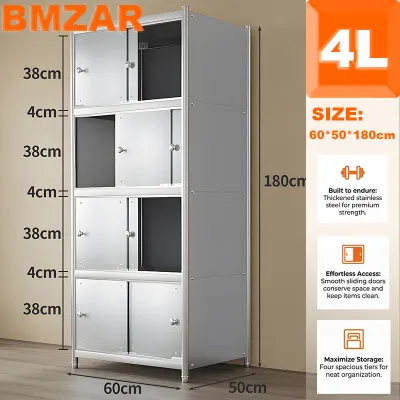
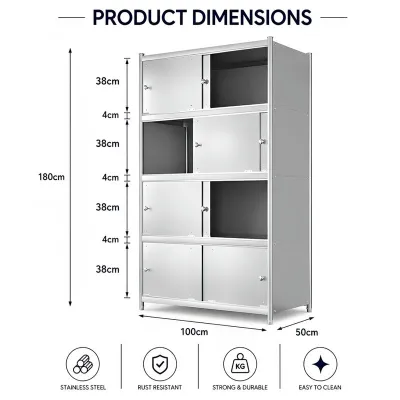
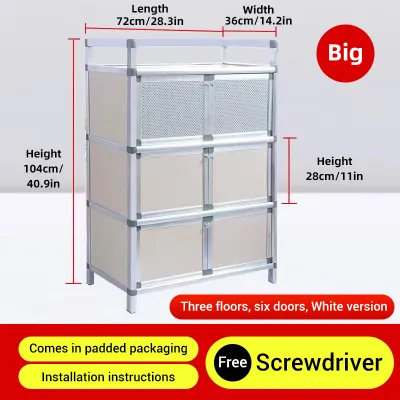
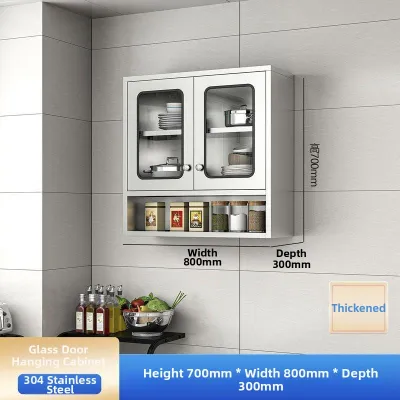
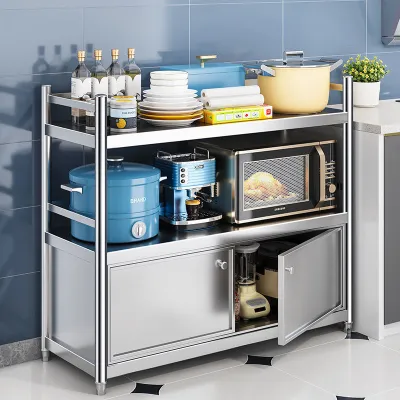
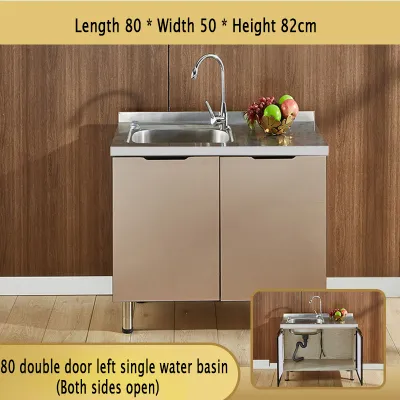
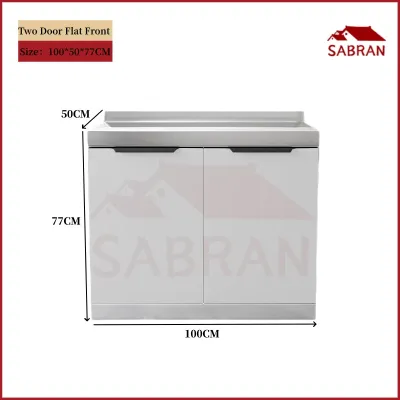
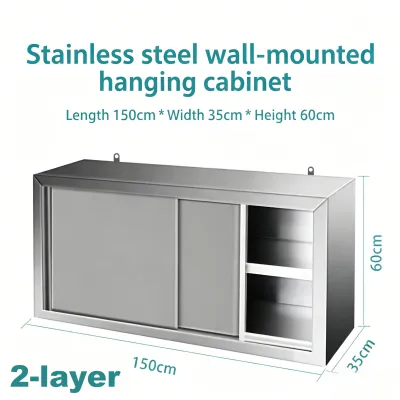
Prices are valid at publication and may change. Please refer to the product page for the latest price.
Unlike medium-density fiberboard (MDF) or solid wood, stainless steel does not swell when exposed to high humidity or direct water contact. This resistance to moisture is particularly valuable in tropical regions, where seasonal humidity can cause wooden doors to stick and laminate finishes to peel. Additionally, stainless steel is highly heat-resistant, allowing you to place hot pots, pans, or small cooking appliances near or on the cabinet surface without risking scorch marks or structural damage.
When shopping for a cabinet, it is essential to review the manufacturer’s documentation regarding surface treatments and protective finishes. Some units feature brushed finishes that help mask fingerprints and minor scratches, while others may have specialized coatings designed to enhance corrosion resistance. Understanding these material characteristics ensures you select a cabinet that maintains its clean appearance and structural integrity through years of heavy daily use.
Key Features to Evaluate Before Buying
Before committing to a specific stainless steel storage cabinet, accurate physical measurements are paramount. You must measure not only the designated floor space but also the surrounding clearances, including door swing paths, drawer extensions, and nearby walkways. It is equally important to measure your home’s entryways, hallways, stairwells, and elevator doors to guarantee the cabinet can be safely transported into your kitchen during delivery.

The internal configuration of the cabinet dictates its long-term utility. Look for units with adjustable shelving systems, which allow you to customize the interior height to accommodate tall stockpots, rice cookers, or bulk ingredients. Always consult the manufacturer’s specifications for the certified load capacity of each shelf, especially if you plan to store heavy cast-iron cookware or large sacks of rice. Overloading a shelf beyond its rated capacity can lead to permanent bowing or structural failure.
Mobility is another critical factor to consider based on your kitchen’s layout and how you cook. Cabinets equipped with heavy-duty, lockable casters offer excellent flexibility, allowing you to roll the unit closer to your prep area when cooking and tuck it away when you need more floor space. Conversely, if you require a permanent, heavy-duty storage station, look for units with adjustable leveling feet. These feet allow you to stabilize the cabinet on uneven tiled floors, preventing wobbling and ensuring the unit remains level.
Assembly conditions and structural stability should also influence your decision. Some stainless steel cabinets arrive fully welded and assembled, offering maximum rigidity but requiring wide access paths for delivery. Flat-pack models are easier to transport through tight doorways but require careful home assembly. If you choose a self-assembly model, verify that all joints, bolts, and structural braces are engineered to lock tightly to prevent the frame from swaying under a full load.
Matching Cabinet Types to Your Kitchen Layout
The layout of your kitchen determines which cabinet style will most effectively optimize your workflow. Freestanding tall cabinets are excellent for maximizing vertical space, making them ideal for kitchens with limited floor areas. These tall units function beautifully as pantries, providing ample room for dry goods, canned items, and infrequently used small appliances, keeping your primary countertops clear of clutter.
For kitchens that require multi-functional workspaces, mobile utility carts and island stations are highly practical. These units typically feature a flat stainless steel countertop for food preparation, paired with drawers or open shelving below for quick access to knives, mixing bowls, and spices. A mobile cart can serve as a bridge between your main stove and sink, or even as an outdoor prep station for backyard grilling, provided it is rolled back indoors after use.
Under-counter or base cabinets are designed to integrate seamlessly with your existing countertops and kitchen sinks. These units are ideal for storing heavy pots, pans, and cleaning supplies directly beneath your primary work zones. When selecting a base cabinet, pay close attention to the height of the unit to ensure it aligns comfortably with your existing countertops, creating a continuous, ergonomic surface for chopping, mixing, and plating.
If your kitchen has a dedicated “dirty kitchen” or wet kitchen area—common in many households for heavy frying and high-heat cooking—the choice of cabinet type becomes even more strategic. A fully enclosed stainless steel base cabinet in this area protects stored items from airborne grease and soot. Meanwhile, open-shelf stainless steel carts allow for rapid air circulation, preventing moisture buildup on frequently used cookware in these semi-outdoor spaces.
How to Verify Quality and Durability
To ensure your stainless steel storage cabinet lasts for years, you must verify the specific grade of steel used in its construction. The two most common grades found in residential kitchen furniture are 304 and 201 stainless steel. Grade 304 contains higher levels of chromium and nickel, making it highly resistant to corrosion and rust, which is ideal for humid environments or areas close to sinks and prep zones. Grade 201 is more economical and suitable for dry indoor storage, but it requires more diligent maintenance to prevent surface rust in humid climates.
Beyond the steel grade, inspect the physical construction details of the cabinet. Run your hands carefully along the edges, corners, and undersides of the shelves to check for smooth finishing; poorly finished units may have sharp burrs that can cause cuts during cleaning. Examine the welding spots and structural bracing underneath the shelves. High-quality cabinets feature continuous welds or robust spot welds reinforced with support channels running along the underside of each shelf to prevent sagging.
Do not rely solely on visual appearance to judge a cabinet’s strength, as polished surfaces can easily mask thin, flimsy metal. Instead, check the manufacturer’s technical specifications for the steel gauge, which indicates the thickness of the metal sheets. A lower gauge number represents thicker, more durable steel (for example, 18-gauge steel is thicker and sturdier than 20-gauge steel). Verifying these technical details ensures you invest in a cabinet that can withstand the daily impacts, heavy loads, and rigorous cleaning routines of a busy kitchen.
Maintenance and Cleaning Best Practices
Proper maintenance is essential to preserve the protective chromium oxide layer that gives stainless steel its rust-resistant properties. For daily cleaning, use a soft microfiber cloth dampened with warm water and a mild dish soap. Always wipe in the direction of the visible metal grain rather than in circular motions; this practice prevents microscopic scratches from dulling the polished finish over time.
Avoid using abrasive cleaning tools such as steel wool, wire brushes, or harsh scouring pads, as these will scratch the surface and compromise the metal’s protective barrier. Similarly, steer clear of cleaning products containing chlorine bleach, hydrochloric acid, or strong abrasive chemicals. These substances can chemically react with the steel, leading to pitting, discoloration, and eventual corrosion.
After cleaning or wiping down spills, always dry the cabinet surfaces thoroughly with a clean, dry towel. Allowing water to pool or air-dry on the steel can lead to unsightly water spots and mineral deposits, especially in areas with hard water. Keeping the cabinet dry not only maintains its sleek, reflective appearance but also prevents moisture from becoming trapped in joints or crevices where rust could potentially develop.
Frequently Asked Questions (FAQ)
Is stainless steel completely rust-proof in humid climates?
While stainless steel is highly resistant to rust and corrosion, it is not entirely rust-proof under all conditions. In highly humid tropical climates, prolonged exposure to moisture, salt air, or acidic food spills can break down the protective oxide layer on the metal’s surface. To prevent rust, ensure your kitchen is well-ventilated, clean up spills immediately, and dry the cabinet thoroughly after cleaning.
How much weight can a typical stainless steel shelf hold?
The weight capacity of a stainless steel shelf varies significantly depending on the steel gauge, shelf dimensions, and the presence of underside support braces. You should always check the manufacturer’s specified load limit before placing heavy items on the shelves. To maximize stability and prevent bowing, distribute the weight evenly across the shelf rather than concentrating heavy items in a single spot.
Community discussion
Share your experience or ask a question. Comments are reviewed before publication.