
Selecting the right kitchen cabinetry is one of the most critical decisions when designing or upgrading a home in the Philippines. The local climate presents unique challenges, including high relative humidity, intense heat, and seasonal pest issues like termites. While traditional wood or engineered boards have long been the standard, steel kitchen cabinets have emerged as a highly durable, hygienic, and practical alternative. These cabinets are uniquely suited to withstand the rigors of heavy daily cooking, frequent washing, and tropical moisture. To make an informed purchase, homeowners must understand how to evaluate steel quality, verify space requirements, and choose configurations that match their specific cooking habits.
Why Steel Cabinets Suit Heavy Cooking and Humid Environments
Wood and engineered wood products like medium-density fiberboard (MDF) or particle board naturally absorb ambient moisture. In a tropical climate, this absorption leads to swelling, warping, and structural degradation over time, particularly near the sink or cooking range where steam and water splashes are constant. Furthermore, wooden cabinets are highly susceptible to termite infestations, which can quietly destroy the structural integrity of an entire kitchen setup within a few seasons. Steel, by contrast, is completely impervious to pests and does not absorb water, ensuring that the cabinet frames remain perfectly stable and square regardless of seasonal humidity shifts.
Filipino cuisine often involves high-heat frying, boiling, and the use of aromatic spices, which generate significant oil fumes and airborne grease. Over time, this grease settles on cabinet surfaces. Wooden cabinets with porous finishes can absorb these oils, leading to stubborn stains, unpleasant odors, and sticky surfaces that are difficult to clean without damaging the paint or laminate. Steel cabinets, especially those finished with smooth powder coatings or made of stainless steel, provide a non-porous surface. This allows grease, oil, and food splatters to be wiped away easily using a simple solution of mild dish soap and warm water, maintaining a sanitary cooking environment with minimal effort.
Products mentioned in this guide
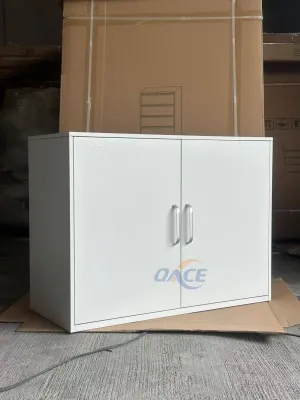
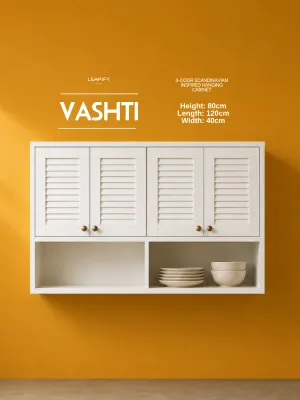
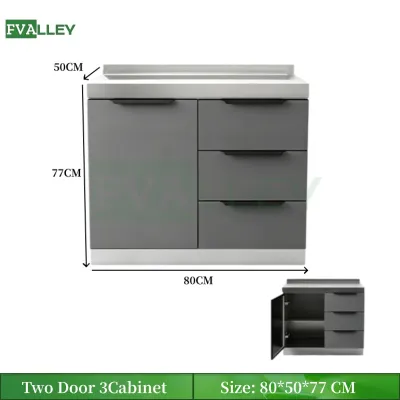
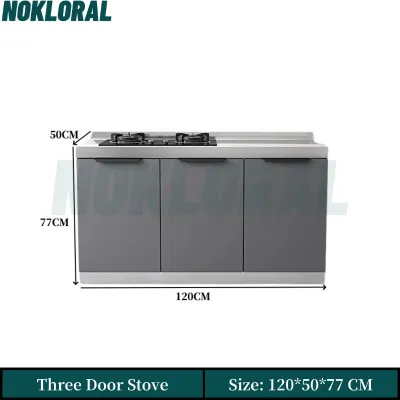
Prices are valid at publication and may change. Please refer to the product page for the latest price.
Despite these clear advantages, steel cabinets have distinct physical characteristics that buyers should consider. Metal surfaces have a cold tactile feel compared to the natural warmth of wood, which some homeowners find less inviting. Additionally, steel is naturally resonant, meaning that closing doors, sliding drawers, or placing heavy metal pots on shelves can generate noticeable clanging noises. Understanding these trade-offs helps you set realistic expectations and plan for simple modifications, such as adding dampening pads, to mitigate these minor inconveniences.
Key Dimensions and Space Checks Before Buying
Before browsing online marketplaces or visiting local showrooms, you must conduct precise measurements of your kitchen layout. Base cabinets typically require a standard depth of 60 centimeters to accommodate standard countertops and built-in sinks. Wall-mounted cabinets should be shallower, usually between 30 and 35 centimeters, to ensure you have comfortable head clearance while working at the counter. Measure the vertical distance between the countertop and the bottom of the upper cabinets; a clearance of 45 to 60 centimeters is standard to allow room for small appliances like rice cookers, blenders, and dish racks.

Unlike modular wooden cabinets that can sometimes be trimmed or adjusted on-site during installation, steel cabinets are rigid, pre-fabricated structures. This means you must verify the entire delivery path from the delivery truck to the final kitchen location. Measure the width and height of all doorways, narrow hallways, stairwells, and elevator doors. If you live in a high-rise condominium or a multi-story townhouse, ensure that the largest cabinet modules can safely navigate tight corners and low ceilings without causing damage to the walls or the cabinet itself.
Wall-mounted steel cabinets are inherently heavy, and their weight increases significantly once filled with ceramic plates, glassware, and heavy cookware. Installing these units requires a structurally sound wall. Solid concrete walls or concrete hollow block walls finished with plaster provide the most secure anchoring points. If your kitchen walls are constructed from drywall or fiber cement boards, you must locate the internal metal or wooden studs to secure the mounting brackets. Direct installation onto unreinforced drywall or hollow blocks without proper heavy-duty anchors can lead to structural failure and dangerous tip-overs.
Kitchens are dense with plumbing, gas lines, and electrical wiring. Carefully map out the locations of water inlet valves, drainpipes, gas tank connections, and electrical outlets. Steel back panels are difficult to cut or modify without specialized metal-cutting tools like angle grinders or hole saws. Ensure that the cabinet models you select either feature pre-cut utility access ports or leave sufficient clearance behind the rear panel to accommodate these essential services without pinching pipes or blocking access to shut-off valves.
Evaluating Material Thickness, Hardware, and Structural Stability
The durability and structural integrity of a steel cabinet depend heavily on the thickness of the steel sheets used in its construction. Manufacturers often specify this in millimeters or gauge numbers. For residential kitchen cabinets, look for steel sheets with a thickness of at least 0.8 millimeters to 1.2 millimeters. Thinner sheets are prone to flexing, denting, and warping under the weight of heavy kitchen items, whereas thicker steel ensures a solid, premium feel and long-term structural stability.
Raw steel is highly vulnerable to oxidation and rust when exposed to moisture and salty air, which is common in coastal regions of the Philippines. To prevent rust, high-quality steel cabinets undergo advanced surface treatment processes. Electrostatic powder coating is a highly effective method where dry powder paint is applied electrostatically and cured under heat to form a hard, protective skin. Inspect the cabinet surfaces closely to ensure the coating is uniform, smooth, and free of bubbles, pinholes, or exposed metal edges where rust could easily take hold.
The moving parts of a cabinet are the first to show signs of wear and tear. Open and close the doors and drawers multiple times to evaluate the quality of the hardware. Look for cabinets equipped with hydraulic soft-close hinges, which gently pull the door shut to prevent loud slamming and reduce mechanical stress on the frame. For drawers, double-extension ball-bearing slides are preferred as they allow the drawer to open fully, providing easy access to items stored at the very back while supporting heavier loads without sagging.
High-quality steel fabrication is characterized by clean, precise joints and safe edges. Inspect the welding points along the corners and structural frames; they should be ground smooth and painted over to prevent moisture ingress. Avoid cabinets with rough, jagged welds or sharp, exposed sheet metal edges, which can cause painful cuts during daily use or snag cleaning cloths. Look for hemmed or folded edges, where the sheet metal is folded back on itself to create a smooth, rounded, and reinforced border.
Matching Cabinet Configurations to Your Kitchen Layout
Your kitchen layout dictates the most efficient cabinet configuration to maintain a smooth workflow, often referred to as the kitchen work triangle (the path between the sink, stove, and refrigerator). In a narrow galley kitchen, space is at a premium; opting for base cabinets with sliding doors rather than traditional swing doors prevents the walkway from being blocked when retrieving items. For L-shaped or U-shaped kitchens, maximize the corner spaces by selecting steel cabinets designed with integrated corner carousels or pull-out kidney-shaped baskets, which bring deep-stored items within easy reach.
A well-organized kitchen often relies on auxiliary storage modules to supplement fixed cabinetry. Mobile prep carts made of steel, equipped with heavy-duty lockable casters, are highly versatile additions. They provide extra countertop space for food preparation and can be rolled directly to the dining area or stored away when not needed. Pull-out wire baskets installed within base cabinets are excellent for storing dry ingredients, onions, garlic, and potatoes, allowing for proper air circulation that prevents premature spoilage in warm, humid weather.
Consider the specific items you need to store to determine the ideal internal shelf configuration. Sacks of rice, large stockpots, and tall blenders require significant vertical clearance. Look for steel cabinets that feature adjustable shelf support brackets, allowing you to customize the interior height of each compartment as your storage needs change over time. Dedicate lower, sturdier shelves for heavy items to maintain a low center of gravity and enhance the overall stability of the cabinet unit.
If you plan to integrate built-in appliances such as ovens, microwaves, or dishwashers into your steel cabinetry, you must pay close attention to thermal management and dimensional compatibility. Steel is an excellent conductor of heat, meaning that heat generated by an oven can easily transfer to adjacent cabinet compartments. Ensure the cabinet design includes dedicated ventilation slots or rear openings to allow heat to dissipate safely. Verify the exact cutout dimensions required by your appliance manufacturer and compare them with the cabinet’s internal specifications to ensure a seamless, safe fit.
Building Your Shortlist: What to Verify Before Checkout
Before finalizing your purchase, especially when ordering from online marketplaces or custom fabricators, request detailed technical drawings showing all external and internal dimensions. Do not rely solely on general product descriptions or marketing photos. Use a tape measure to re-verify these dimensions against your actual kitchen space, taking into account any unevenness in your floors or walls, which is common in older homes.
A reliable manufacturer should stand behind the durability of their steel cabinets. Carefully review the warranty terms to understand what is covered and for how long. Look for warranties that specifically cover structural rust-through, weld failures, and hardware malfunctions under normal residential use. Be aware of exclusions, such as damage caused by using abrasive chemical cleaners or installing the cabinets in outdoor, unsheltered areas.
Steel cabinets are bulky and heavy, which can result in significant shipping and handling fees. Clarify whether the product is delivered fully assembled or flat-packed. If it is flat-packed, determine if you have the tools and skills required for assembly, or if the seller offers professional assembly and installation services. Inquire about additional charges for carrying heavy items up stairwells if your building lacks a service elevator, and check if they offer removal services for your old cabinetry.
Ensure the cabinets are manufactured using non-toxic materials and coatings. Look for certifications that verify the powder coatings do not emit harmful volatile organic compounds (VOCs) or contain heavy metals like lead. Additionally, check for structural safety labels indicating that the cabinets have undergone load-bearing and stability testing to prevent accidental tipping or collapse under heavy loads.
Frequently Asked Questions (FAQ)
Do steel kitchen cabinets rust in humid climates?
While steel is naturally prone to rust when exposed to moisture, modern steel kitchen cabinets are highly resistant to corrosion due to protective surface treatments. High-quality powder coatings and the use of stainless steel alloys (such as grade 304) create a barrier that prevents water and oxygen from reaching the underlying metal. To maintain this protection, avoid using abrasive scrubbing pads or harsh chemical cleaners that can scratch the finish. Wipe away spills promptly, and ensure the kitchen is well-ventilated to prevent condensation from settling on the cabinet surfaces. If you notice a deep scratch that exposes raw metal, apply a matching touch-up paint immediately to seal the area.
Can I install steel wall cabinets on drywall or hollow blocks?
Installing heavy steel wall cabinets on drywall or standard hollow blocks requires careful structural assessment and the correct anchoring hardware. Drywall alone cannot support the weight of a steel cabinet filled with kitchen items; you must secure the mounting brackets directly into the wooden or metal wall studs behind the drywall. For concrete hollow block walls, standard plastic wall plugs are insufficient. You must use heavy-duty sleeve anchors or masonry expansion bolts that expand inside the hollow core of the block to provide a secure hold. If you are unsure about the structural integrity of your walls, it is highly recommended to consult a professional installer or structural contractor to prevent the risk of the cabinet falling.
How do I reduce the noise when closing steel cabinet doors?
The metallic clanging sound associated with steel cabinets can be easily managed with a few simple adjustments. First, check if your cabinet doors are equipped with soft-close or hydraulic hinges, which slow down the door before it meets the frame; if not, these can often be retrofitted or adjusted for tension. Second, apply small, self-adhesive silicone or rubber bumper pads to the inner corners of the cabinet doors where they make contact with the frame. These inexpensive bumpers absorb the impact and significantly dampen the closing sound. Finally, avoid using excessive force when closing doors, and ensure that internal shelves are securely seated on their brackets to prevent vibration noises.
Community discussion
Share your experience or ask a question. Comments are reviewed before publication.