
A steel pantry cabinet offers an exceptionally durable, pest-resistant, and heavy-duty storage solution for kitchens in the Philippines, where high humidity and warm temperatures can cause traditional wood or particleboard to warp, mold, or attract termites. Finding the right steel cabinet requires evaluating your kitchen’s layout, checking the quality of protective coatings, and verifying weight capacities to ensure the unit can handle heavy appliances, bulk ingredients, and daily wear. By focusing on structural integrity and proper space planning, you can select a metal storage system that keeps your kitchen organized, clean, and highly functional for years to come.
Choosing kitchen furniture in a tropical climate presents unique challenges that standard storage solutions often fail to address. Wood-based composites like MDF or particleboard frequently absorb moisture from the air, leading to swelling, sagging shelves, and musty odors that can ruin stored dry goods. Steel, by contrast, provides an impervious barrier to pests and does not degrade when exposed to ambient humidity, making it an increasingly popular choice for modern Filipino households seeking long-term reliability.
However, navigating the market for steel pantry cabinets requires more than simply picking a model that looks sturdy. You must consider how the cabinet’s material properties, dimensions, and configuration align with your specific cooking habits and household safety requirements. This comprehensive guide will walk you through the essential evaluation criteria, space planning steps, and specification checks needed to make an informed and confident purchase.
Products mentioned in this guide
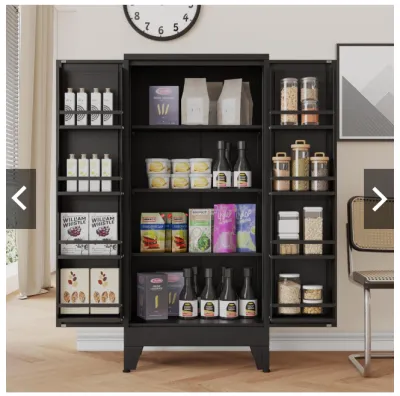

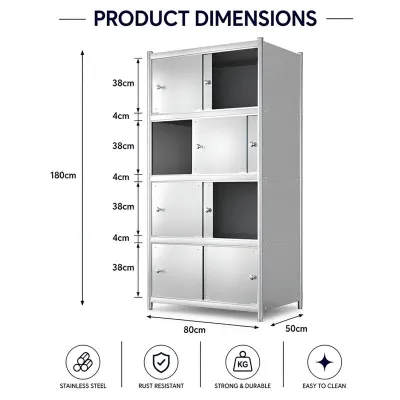
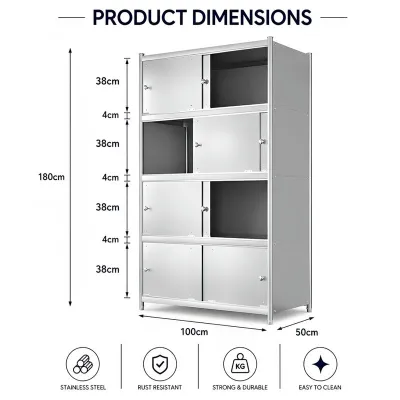
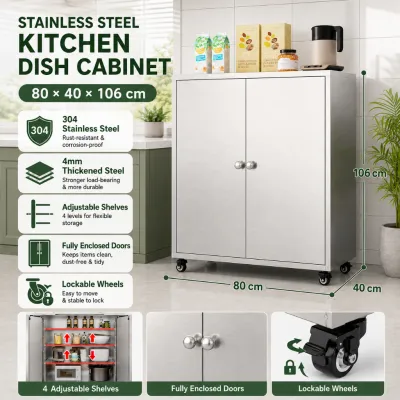
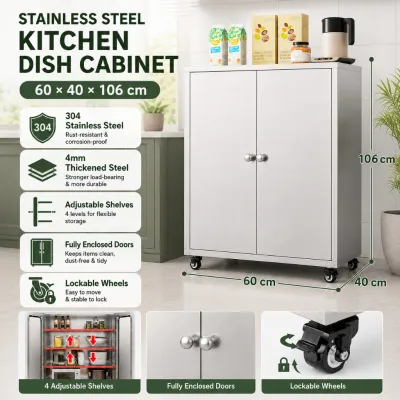
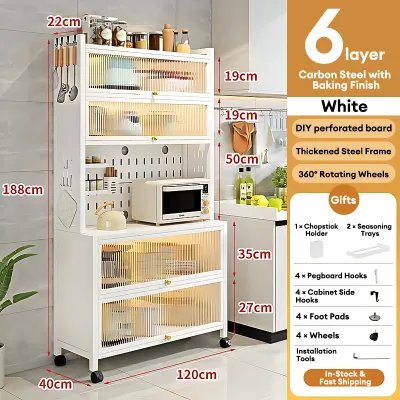
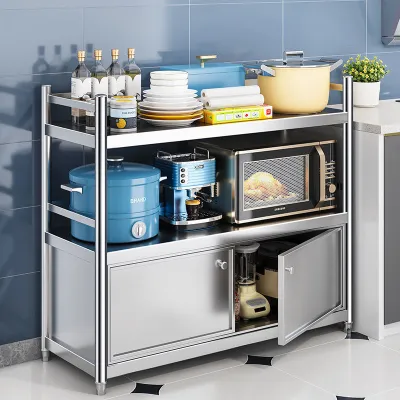
Prices are valid at publication and may change. Please refer to the product page for the latest price.
Why Consider a Steel Pantry Cabinet for Your Kitchen?
When comparing kitchen storage materials, steel stands out for its exceptional structural strength and longevity. Unlike wood, which can warp under the weight of heavy items or crack during seasonal humidity shifts, steel maintains its shape and load-bearing capacity indefinitely. Plastic storage units, while moisture-resistant, lack the rigidity required to hold heavy kitchen items without bowing over time, making steel a highly reliable choice for demanding storage needs.
The ease of maintenance is another significant advantage of steel pantry cabinets in a busy kitchen environment. Spills from cooking oils, soy sauce, or vinegar can be wiped away quickly with a damp cloth without leaving permanent stains or damaging the underlying material. This non-porous surface also prevents the buildup of food residue and bacteria, ensuring a hygienic environment for storing dry ingredients, canned goods, and dinnerware.
For Filipino households, a steel cabinet is particularly well-suited for storing heavy bulk items and countertop appliances. Sacks of rice, large stockpots used for family gatherings, and heavy appliances like air fryers, stand mixers, and microwave ovens require robust support that standard wooden shelves cannot reliably provide. A high-quality steel cabinet distributes this weight evenly, preventing the structural failures common in cheaper composite furniture.
Despite these benefits, steel cabinets have inherent limitations that you must consider before purchasing. Metal surfaces are susceptible to dents if struck by heavy cast-iron pans or sharp objects, which can compromise both the appearance and the protective finish of the unit. Additionally, placing hard items on bare metal shelves can create a loud, clattering noise, though this can be easily mitigated by using silicone liners or shelf organizers.
The most critical factor to keep in mind is the necessity of an intact protective coating. While steel itself is incredibly strong, exposure to oxygen and moisture can lead to rust if the metal is left bare. In a humid kitchen environment, any scratch or chip in the paint or powder coating can become a starting point for corrosion, meaning you must choose units with high-quality finishes and handle them with care during daily use.
Key Dimensions and Space Planning Before You Buy
Accurate space planning is the foundation of a successful kitchen upgrade, especially when introducing a substantial piece of furniture like a steel pantry cabinet. Before browsing online marketplaces or visiting local showrooms, you must measure your available floor space with precision. Use a reliable measuring tape to determine the maximum width, depth, and height your kitchen can accommodate without restricting movement.

When measuring the footprint, you must account for operational clearances rather than just the static dimensions of the cabinet. For example, double-door steel cabinets require sufficient clearance in front of them to allow the doors to swing open fully without hitting kitchen islands, dining tables, or opposite countertops. If you are choosing a model with pull-out wire baskets or drawers, ensure there is enough clearance for these components to extend fully while leaving space for you to stand comfortably in front of them.
Walkway traffic flow is another critical consideration that is often overlooked during space planning. A pantry cabinet should never obstruct the primary pathways in your kitchen, particularly the high-traffic zone between the refrigerator, sink, and stove. Ensure that even when the cabinet doors are open, there is still enough room for family members to pass by safely without creating a bottleneck.
Logistical constraints extend far beyond the kitchen itself, making it essential to verify the delivery access routes to your home. Many high-quality steel cabinets are delivered fully assembled or in large, heavy flat-packs that cannot be easily maneuvered around tight corners. Measure the width and height of all doorways, entry gates, and hallway turns that the delivery team must navigate to reach your kitchen.
If you live in a multi-story building or a condominium, you must also check the dimensions of the service elevator and the clearance of the stairwells. A cabinet that fits perfectly in your kitchen is of little use if it cannot pass through the building’s elevator doors or make the turn on a narrow landing. Confirming these measurements beforehand prevents costly return shipping fees and delivery day frustration.
Finally, inspect the ceiling height and look for any overhead obstructions in the designated installation area. Tall pantry units can easily conflict with low-hanging ceiling fans, pendant lights, or existing wall-mounted cabinets. Be sure to account for baseboards and wall trim, which can prevent the cabinet from sitting completely flush against the wall, potentially altering your clearance calculations by a few centimeters.
What to Check on the Product Label and Specifications
To ensure you are investing in a durable piece of furniture, you must carefully review the product specifications and labels provided by the manufacturer. The surface treatment is the single most important factor determining the cabinet’s resistance to rust and wear. Look for units that specify a powder-coated finish rather than standard spray paint, as powder coating involves electrostatically applying a dry powder that is then cured under heat to create a thick, resilient barrier.
This powder-coated layer is highly resistant to chipping, scratching, and chemical degradation, making it ideal for the humid and active environment of a kitchen. Avoid purchasing cabinets with bare steel accents or poorly finished joints, as these areas are highly vulnerable to moisture penetration. If the product description does not explicitly state the type of finish used, contact the seller or manufacturer to verify before making a decision.
Weight capacity is another critical specification that directly impacts the safety and utility of your pantry cabinet. Look for the stated weight limit per shelf, which should be clearly defined in the product documentation. For heavy-duty storage, shelves rated for at least 30 to 50 kilograms are recommended, allowing you to store heavy appliances and bulk ingredients without risk of bending or collapse.
In addition to individual shelf limits, check the overall weight capacity of the entire unit to ensure the frame can support a fully loaded cabinet. Adjustable shelves are highly desirable, as they allow you to customize the interior layout to accommodate tall items like pasta jars, oil bottles, or cereal boxes. Verify the mechanism used to adjust the shelves; sturdy metal clips or brackets are far more reliable than plastic pegs.
The connection structures used in the cabinet’s construction play a vital role in its overall stability and lifespan. Welded joints offer the highest level of rigidity and eliminate the risk of fasteners loosening over time, but they make the cabinet heavy and difficult to move. Bolted assemblies, on the other hand, offer greater flexibility for transport and assembly but require high-quality, rust-resistant hardware to maintain structural integrity.
Inspect the quality of the included hardware, focusing particularly on the hinges, door handles, and drawer slides. Heavy-duty steel hinges with soft-close mechanisms prevent doors from slamming, reducing noise and wear on the cabinet frame. If the cabinet features drawers, look for ball-bearing drawer slides that ensure smooth operation even when the drawers are fully loaded with heavy canned goods or utensils.
Comparing Steel Pantry Cabinet Styles for Different Needs
Steel pantry cabinets come in several distinct configurations, each designed to support different kitchen workflows and spatial layouts. Freestanding tall cabinets are the traditional choice for maximizing vertical storage space in kitchens with limited floor footprints. These units typically feature multiple shelves enclosed by solid or glass-paneled doors, keeping your pantry items organized and out of sight.
Because tall cabinets utilize vertical space, they are ideal for storing bulk dry goods, baking supplies, and seasonal kitchenware that you do not need to access daily. However, their height and weight distribution mean they require a stable, level floor and must be securely anchored to the wall to eliminate the risk of tipping. This style is best suited for dedicated pantry areas or alcoves where they can stand permanently.
For kitchens that require flexibility and mobile workspace, rolling steel carts with shelves offer an excellent alternative. These mobile units are perfect for small kitchens where prep space is at a premium, allowing you to move the cart to where it is needed most and roll it out of the way when not in use. They are also highly convenient for transporting heavy items, such as a large microwave or a loaded water dispenser, across the kitchen.
When evaluating rolling steel carts, it is crucial to inspect the quality of the caster wheels and the frame’s rigidity. Look for heavy-duty, smooth-rolling casters with reliable locking mechanisms on at least two of the wheels to ensure the cart remains stationary during use. The frame must be rigid enough to resist swaying or wobbling when the cart is in motion, especially when carrying top-heavy appliances.
Base cabinets with integrated countertops provide a hybrid solution, combining enclosed storage with valuable extra prep space. These units are ideal for creating “appliance garages” where you can store and operate small appliances like coffee makers, toasters, or blenders. When choosing this style, verify the compatibility of the countertop material with your kitchen activities, ensuring it can withstand heat, moisture, and light impact.
Pay close attention to the countertop’s overhang dimensions and how they affect the cabinet’s overall footprint. An overhang can provide a more comfortable workspace by allowing room for your knees, but it also increases the depth of the unit, which must be factored into your space planning. This style works beautifully as an extension of your existing countertops or as a standalone kitchen island.
Installation, Assembly, and Safety Checks
Proper installation and assembly are paramount to ensuring the safety and longevity of your steel pantry cabinet. If you purchase a flat-pack unit, it is essential to follow the manufacturer’s assembly instructions strictly, step by step. Do not attempt to skip steps or substitute provided hardware with random screws you have on hand, as this can compromise the structural integrity of the cabinet.
Use the recommended tools for assembly, and avoid over-tightening screws and bolts, which can strip the threads or distort the metal panels. If the instructions recommend two people for assembly, do not attempt to build the unit alone, as handling large steel panels can lead to accidental drops, dents, or personal injury. Taking your time during the assembly process ensures that all panels align correctly and the cabinet stands perfectly square.
Securing tall or top-heavy steel cabinets to the wall is a non-negotiable safety step, particularly in households with young children, pets, or in regions prone to seismic activity. Most manufacturers include wall-anchoring kits with their tall units; if yours does not, purchase a heavy-duty anti-tip kit separately. Anchor the cabinet directly into wall studs or use appropriate masonry anchors if installing against concrete or brick walls.
Once assembly and anchoring are complete, perform a thorough stability test before loading any items into the cabinet. Gently shake the unit from side to side and front to back to ensure it does not wobble or pull away from the wall. Check that the floor is level; if the cabinet is uneven, use adjustable leveling feet or shims to correct the tilt, as an unlevel cabinet can cause doors to swing open unexpectedly or put uneven stress on the frame.
Inspect the entire cabinet for any sharp edges, exposed metal burrs, or misaligned doors that could cause scratches or cuts during daily use. Adjust the hinges to ensure the doors close flush and the latches engage securely. Finally, test all locking mechanisms, drawer slides, and wheel locks to confirm they function smoothly under empty conditions before gradually loading your kitchen items, placing the heaviest goods on the bottom shelves to maintain a low center of gravity.
Frequently Asked Questions (FAQ)
How do I prevent rust on a steel pantry cabinet in a humid kitchen?
To prevent rust on your steel pantry cabinet in a humid kitchen, you must actively manage moisture exposure and protect the cabinet’s finish. Always wipe up liquid spills, condensation, and food splatters immediately using a soft, dry microfiber cloth, and avoid hanging damp dish towels or placing wet dishes directly on the metal shelves. Periodically inspect the entire cabinet, especially around joints, hinges, and bottom edges, for any chips, scratches, or signs of wear in the protective coating. If you discover any exposed metal, clean the area thoroughly and apply a matching touch-up paint or rust-inhibiting primer according to the manufacturer’s guidelines. Additionally, ensure your kitchen has adequate ventilation, such as using exhaust fans during cooking or opening windows, to reduce ambient humidity and prevent moisture from settling on the cabinet surfaces.
Can I place heavy kitchen appliances like a microwave on a steel cart?
Yes, you can place heavy kitchen appliances like a microwave on a steel cart, provided you verify that the unit is specifically rated to support that weight. Before placing any appliance, check the manufacturer’s specifications for the maximum weight capacity of both the top surface and the individual shelves to ensure they can safely handle the load. The footprint of the appliance must fit entirely within the surface dimensions of the cart, with no parts overhanging the edges, which could cause instability or accidental tipping. Once the appliance is positioned, verify that the cart’s caster wheels are securely locked and that the entire frame remains stable, level, and free of wobble when you open and close the appliance door. To maintain optimal stability, always place heavier items on the lower shelves of the cart to keep the center of gravity as low as possible.
Community discussion
Share your experience or ask a question. Comments are reviewed before publication.