
Finding the right under-bed storage for your condo bed frame requires balancing your frame’s physical design with the tight layout of a typical high-rise unit. The ideal solution is not a one-size-fits-all container, but rather a system that matches your frame’s vertical clearance, respects the clearance needed to open drawers in a small bedroom, and protects your belongings from tropical humidity. By evaluating your specific bed frame structure—whether it is a platform base, a slatted frame, or a hydraulic lift system—you can maximize every square inch of floor space without damaging your furniture or cluttering your room.
In a compact condominium, floor space is at a premium, making the area beneath your bed prime real estate for seasonal items, extra linens, and daily essentials. However, choosing the wrong storage type can lead to blocked pathways, scratched floors, or even mold growth on your stored goods. To make the most of this hidden zone, you must first assess your physical space, understand how different storage types interact with various bed frames, and implement protective measures suited to the local climate.
Measure Your Under-Bed Clearance and Room Layout
Before purchasing any storage containers or choosing a new bed frame, you must obtain precise measurements of the empty space beneath your bed. Start by measuring the vertical clearance, which is the distance from the floor to the lowest structural point of the bed frame. This lowest point is rarely the side rail; instead, it is often the center support beam, the wooden slats, or the metal brackets holding the frame together. Measuring only the outer edge can lead to buying bins that are too tall to slide past the inner support structures, leaving you with unusable containers.
Products mentioned in this guide
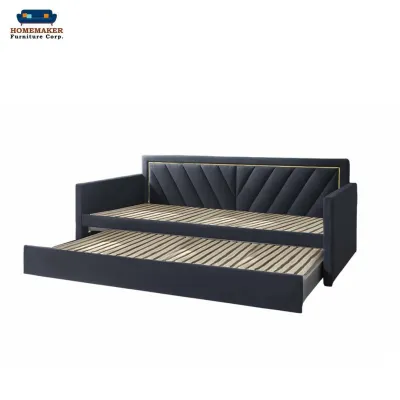
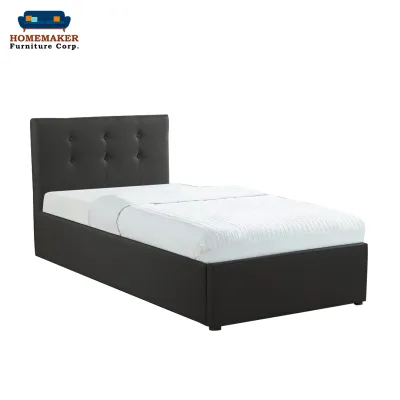
Prices are valid at publication and may change. Please refer to the product page for the latest price.
When measuring vertical clearance, it is also wise to account for the weight of the mattress and sleepers. A heavy mattress can cause wooden slats to flex downward by a centimeter or two, reducing the actual clearance when the bed is in use. To avoid a tight squeeze, measure the clearance while the mattress is on the frame, and subtract a safety margin of at least two centimeters from your final number.
Next, evaluate the lateral and frontal space surrounding your bed to determine how you will access your stored items. In a small condo bedroom, a nightstand, a wardrobe, or an adjacent wall can easily block a long drawer from sliding out fully. Use a tape measure to map out the path of travel for any pull-out drawers or rolling bins, ensuring they can extend completely without hitting other furniture. If your bedside clearance is less than the depth of a standard drawer, you may need to look at top-access options or flexible, soft-sided organizers instead.
Additionally, consider the swing path of your bedroom door and closet doors. In tight condo layouts, a fully opened closet door or entry door might collide with an extended under-bed drawer. Mapping these intersecting paths prevents daily frustration and ensures that your storage does not render other parts of your room unusable.
Finally, inspect the underside of your bed frame for physical obstructions that divide the floor space. Many modern frames, including a typical homemaker furniture bed, feature center support legs or cross-bracing slats that segment the under-bed area into smaller quadrants. These structural elements prevent you from sliding a single, large storage box under the bed, even if the overall dimensions seem to fit. Note the exact locations of these barriers so you can select multiple smaller bins that fit neatly within the open zones rather than one oversized container.
Match Storage Solutions to Your Bed Frame Type
Different bed frames dictate which storage methods are physically possible and structurally safe. A low-profile metal frame offers entirely different storage opportunities compared to a high wooden platform bed or an upholstered frame with built-in compartments. Matching your storage solution to your frame type ensures that you do not compromise the stability of your bed or make your stored items inaccessible.

The height of your frame, the materials used in its construction, and the design of its base are the primary factors that determine your storage strategy. While some frames are designed to hide storage completely, others leave the underside exposed to view, requiring more aesthetic storage choices. Understanding these relationships allows you to choose between integrated built-in systems, modular freestanding containers, or flexible soft organizers.
Built-In Drawers and Hydraulic Lift Beds
Built-in drawers and hydraulic lift beds represent the most integrated storage solutions, making them highly popular for modern condo living. Hydraulic lift beds utilize gas struts to lift the entire mattress platform, revealing a massive, undivided storage compartment underneath. When selecting a hydraulic system, you must check the weight capacity of the gas struts against the weight of your specific mattress. A mattress that is too heavy will prevent the platform from staying open safely, while a mattress that is too light may cause the platform to spring open too quickly.
While a high-quality hydraulic bed frame may require a larger upfront investment of several thousand ₱ compared to a basic metal frame, the massive increase in usable storage space often justifies the cost for condo owners. Integrated drawers built into platform frames offer convenient, organized compartments but require significant clearance on either side of the bed. If you are considering an aftermarket lift kit or adding drawers to an existing platform frame, review the manufacturer specifications carefully. Modifying a frame’s structural base can alter its weight distribution, potentially voiding your warranty or causing the frame to sag over time. Ensure that the drawer tracks are rated for the weight of the items you plan to store, as overloaded drawers can warp the tracks and damage your condo flooring.
Condo dwellers must also consider the logistics of delivery and assembly for heavy hydraulic frames. These systems often arrive in large, heavy flat packs that may not fit into standard condo elevators or narrow stairwells. Before purchasing, verify the package dimensions and ensure you have enough floor space in your bedroom to assemble the complex lift mechanism safely. If you rent your condo, check if your lease allows heavy furniture modifications or if you need to stick to freestanding, non-permanent storage options.
Rolling Bins and Freestanding Storage Boxes
For standard slatted or metal bed frames, rolling bins and freestanding storage boxes offer a highly flexible and cost-effective storage solution. When choosing these containers, always select a bin height that is at least two to three centimeters shorter than your measured vertical clearance. This small gap ensures that you can slide the bins in and out smoothly without scraping the underside of the bed frame or struggling during retrieval.
The type of wheels or casters on your rolling bins is critical for protecting your condo’s flooring, especially if you have laminate, vinyl, or engineered wood floors. Hard plastic wheels can easily trap grit and scratch delicate floor surfaces over time, so look for bins equipped with soft rubber or polyurethane casters. If you prefer non-wheeled boxes, ensure they have smooth, felt-lined bases or plastic glides that slide easily without leaving scuff marks. Rigid plastic boxes provide excellent protection against dust and can be stacked if your frame height allows, while fabric-sided boxes offer a softer look that blends in with your bedroom decor.
Condos in busy urban areas often accumulate dust quickly, especially if you keep windows open for ventilation. To protect your stored items from fine urban dust, choose freestanding boxes with secure, latching lids. Bins with foam gaskets or rubber seals offer an extra layer of protection, keeping both dust and tiny pests out of your clean linens. If your bed frame does not have a dust ruffle or valance, opt for neutral-colored or opaque bins that present a clean, uniform appearance from the side of the bed.
Vacuum Bags and Soft-Sided Organizers
When dealing with low-profile bed frames that offer minimal vertical clearance, vacuum-sealed bags and soft-sided organizers are often the only viable options. These flexible storage solutions can compress bulky items like winter wear, extra pillows, and spare comforters down to a fraction of their original size. Because they lack a rigid structure, soft-sided organizers can easily deform slightly to squeeze past low side rails or fit around awkward center support legs.
In a humid tropical climate, storing textiles under the bed requires careful moisture management to prevent mold, mildew, and musty odors. Before sealing items in vacuum bags, ensure they are completely dry, as any trapped moisture will ruin the fabric over time. Check the bags periodically for leaks, as plastic seals can degrade or puncture, allowing humid air to enter. Avoid using soft-sided organizers for heavy, sharp, or highly structured items that could tear the fabric or damage the bed frame’s low-clearance components.
To maximize the efficiency of vacuum bags, fold your items flat rather than rolling them, as flat packages stack more easily under low-profile frames. You can also place a small sachet of activated charcoal or a cedar block inside the bag before sealing to help neutralize any stale odors. For soft-sided fabric organizers, look for models with clear plastic windows on the front or sides. This design allows you to identify the contents at a glance without having to pull the entire organizer out and unzip it.
Avoid Common Condo Storage Mistakes
One of the most common mistakes in condo under-bed storage is overloading built-in drawers or hydraulic lift compartments. Placing heavy books, exercise equipment, or dense luggage in these spaces can strain the mechanical components, leading to bent drawer tracks or failed hydraulic struts. Always distribute weight evenly across the storage area rather than concentrating heavy items in one corner, which can warp the frame or cause misalignment.
Another critical error is blocking the natural airflow beneath your mattress, which is essential for temperature regulation and moisture control. Many foam and hybrid mattresses require a breathable base to prevent heat buildup and comply with manufacturer warranty terms. Packing the under-bed space completely solid with boxes restricts this airflow, potentially leading to moisture accumulation between the mattress and the bed base. Leave a small buffer zone of empty space near the top of the storage containers to allow air to circulate freely.
Finally, avoid storing temperature-sensitive, highly valuable, or hazardous items in the under-bed zone, especially if your condo is not constantly climate-controlled. The floor-level environment can experience temperature fluctuations and higher humidity levels, making it unsuitable for delicate electronics, fine leather goods, or aerosol cans. Keep your under-bed storage dedicated to durable household textiles, seasonal clothing, and sturdy utility items that can withstand minor environmental changes.
Pest prevention is another critical consideration for under-bed storage in tropical regions. Dark, undisturbed spaces beneath beds can attract dust mites, silverfish, or other small insects if left uncleaned. Avoid storing food items, unwashed clothing, or cardboard boxes under your bed, as cardboard is a known attractant for pests and traps moisture easily. Stick to plastic or high-quality fabric containers, and make it a habit to disturb the space regularly to discourage pests from nesting.
Frequently Asked Questions (FAQ)
Can I add aftermarket drawers to my existing bed frame?
Adding aftermarket drawers to an existing bed frame is possible, but it depends heavily on the frame’s material, joint strength, and structural design. Standard metal or solid wood frames can often accommodate independent rolling drawers that slide directly on the floor without attaching to the frame itself. However, if you plan to mount drawer tracks directly to the bed frame, you must verify that the side rails can support the dynamic weight of loaded drawers. Always consult the original manufacturer’s guidelines before drilling or modifying the frame, as unauthorized alterations typically void the product warranty.
How do I prevent mold and odors in under-bed storage?
To prevent mold and musty odors in a humid environment, choose storage containers made of breathable fabrics or use airtight plastic bins paired with moisture-absorbing packets. Silica gel packs or hanging dehumidifiers placed inside your storage boxes can effectively capture trapped moisture before it damages your linens. Additionally, establish a regular cleaning routine where you pull out all under-bed storage containers, vacuum the floor underneath, and wipe down the bins. This practice not only maintains healthy airflow but also allows you to inspect your stored items for early signs of dampness or dust buildup.
Community discussion
Share your experience or ask a question. Comments are reviewed before publication.