
Finding the right mattress is a highly personal decision that directly impacts your daily energy, spinal health, and overall comfort. In the Philippines, where high temperatures and humidity persist year-round, selecting an all-foam bed requires balancing support, breathability, and durability. If you are searching for a uratx foam double mattress, the ideal choice depends on matching your dominant sleeping posture, body weight, and bedroom environment with the correct foam density and thickness. By systematically evaluating these factors, you can select a model that provides lasting comfort without sagging prematurely.
Assessing Your Sleep Position and Body Weight
Your dominant sleeping posture dictates how your body weight is distributed across the mattress surface, which in turn determines where you need support and pressure relief. Side sleepers, for instance, place concentrated pressure on their shoulders and hips. To maintain proper spinal alignment, a side sleeper requires a mattress that allows these protruding areas to sink in slightly while supporting the waist and lower back. Without this targeted pressure relief, side sleepers often wake up with sore joints or numbness.
Back and stomach sleepers require a completely different support profile. When lying on your back, your spine naturally curves, requiring a surface that supports the lumbar region without letting the hips sink too deeply. Stomach sleepers need an even firmer surface; if the mattress is too soft, the pelvis sinks downward, arching the lower back uncomfortably and leading to chronic morning back pain.
Products mentioned in this guide
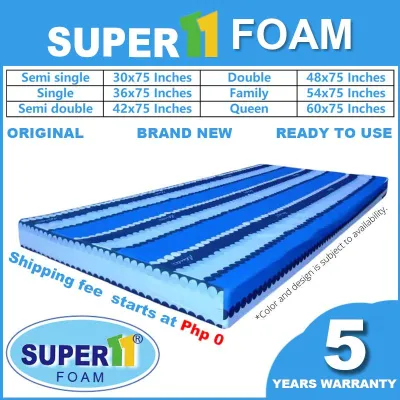

Prices are valid at publication and may change. Please refer to the product page for the latest price.
Body weight plays a critical role in how deeply you compress the foam layers. Lighter individuals may find firm mattresses unyielding, as they do not exert enough force to compress the comfort layers. Conversely, heavier sleepers require higher density foam or a thicker mattress profile to prevent bottoming out, which occurs when the foam compresses completely under weight, leaving the sleeper resting against the hard bed frame underneath.
For combination sleepers who frequently rotate and change positions throughout the night, responsiveness is key. A mattress that is too soft or slow to recover can make you feel stuck in one position, requiring extra physical effort to turn over. Choosing a foam construction that offers quick recovery and balanced surface tension allows for seamless transitions, ensuring your sleep cycle remains undisturbed.
Evaluating Foam Density, Thickness, and Firmness
To make an informed decision, you must understand the technical specifications that govern how a foam mattress performs over time. Foam density, typically measured by weight per unit volume, is the single most reliable indicator of durability and support. High-density foams contain more material per cubic foot, making them highly resilient and resistant to sagging under consistent pressure. When browsing options, always check the manufacturer’s product specifications or labels for density ratings, as higher density generally translates to a longer-lasting mattress.

Thickness is another crucial dimension that affects both comfort and practical bedroom setup. Standard double mattresses generally range from thin utility foams to thick, multi-layered orthopedic models. A thinner mattress, such as a four-inch or five-inch model, is highly portable and works well for occasional use or lighter individuals, but it offers limited edge support and compression resistance. Thicker models, ranging from six to ten inches or more, allow for multiple layers of specialized foam, providing superior contouring, better edge support, and a more substantial overall profile.
Firmness is subjective and is often represented on a scale from extra soft to extra firm. It is important to distinguish between firmness and support: support refers to how well the mattress keeps your spine aligned, while firmness describes the initial feel of the surface. A mattress can be soft to the touch but still highly supportive if it features a high-density core.
Matching these specifications to your sleep profile involves a simple formula. If you are a heavier back sleeper, you should prioritize a high-density, firm mattress with a thickness of at least six inches to ensure your spine remains neutral. If you are a lighter side sleeper, a medium-firm mattress with a thicker, more compliant comfort layer will provide the necessary pressure relief for your shoulders and hips without compromising support.
Managing Heat and Humidity in a Tropical Climate
Sleeping comfortably in a tropical climate like the Philippines requires careful attention to mattress materials and bedroom ventilation. Standard polyurethane foam is naturally insulating, meaning it tends to trap body heat and moisture. To prevent waking up hot and sweaty, look for mattresses that incorporate cooling technologies in their official specifications. This includes open-cell foam structures that facilitate air movement, or specialized covers woven with breathable fibers that draw heat away from the body.
Moisture management is equally critical in high-humidity environments. When warm body heat meets a cool mattress surface, condensation can occur, creating a breeding ground for dust mites, mold, and mildew. To mitigate this, ensure your bedroom has adequate airflow. Placing your mattress on a bed frame that offers clearance underneath allows air to circulate freely beneath the bed, preventing moisture from becoming trapped against the bottom of the foam.
Maintaining your mattress in a humid climate also requires a proactive routine. Regularly rotating your mattress 180 degrees every few months ensures even wear and allows different sections of the foam to air out. On dry, sunny days, stripping the bedsheets and allowing the mattress to ventilate near an open window can help dissipate accumulated moisture, preserving the structural integrity of the foam and extending its overall lifespan.
Checking Bedroom Dimensions and Bed Frame Compatibility
Before finalizing your purchase, you must ensure that a double mattress physically fits your bedroom layout and existing furniture. A standard double mattress in the local market typically measures 54 inches in width by 75 inches in length. Use a measuring tape to map out these exact dimensions on your bedroom floor, leaving at least two to three feet of walking clearance on the sides and foot of the bed. Be sure to account for wardrobe door swings, dresser drawers, and other furniture that might be obstructed by a larger bed.
The type of bed frame you use directly impacts the performance and lifespan of an all-foam mattress. Foam requires consistent, flat support to prevent sagging. A solid platform base or a closely spaced slatted frame is ideal. If you use a slatted base, verify that the gaps between the slats are narrow—ideally no more than three inches apart—to prevent the foam from squeezing through the gaps under weight, which can ruin the mattress structure and void your warranty.
Additionally, consider the logistics of getting the mattress into your home. Measure the width and height of your doorways, tight hallway corners, stairwells, and elevator cabins. While some modern foam mattresses are shipped compressed in a box, making them easy to maneuver, traditional non-compressed double mattresses require full clearance to avoid bending or damaging the internal foam structure during delivery.
Verifying Product Details and Warranty Before Purchase
With numerous foam models available, verifying product details through official channels is essential to protect your investment. Always cross-reference the model name, density rating, and exact thickness on the brand’s official website or authorized online marketplaces. Be cautious of unauthorized sellers who may offer lower prices but cannot guarantee product authenticity or provide valid manufacturer warranties.
A comprehensive warranty is your primary protection against premature product failure. Read the warranty terms carefully to understand what is covered. Most foam mattress warranties cover manufacturing defects and abnormal sagging—typically defined as a visible indentation of a certain depth when no weight is applied. However, warranties do not cover normal softening of the foam over time, physical damage caused by improper support, or liquid stains, which is why using a waterproof mattress protector is highly recommended.
Finally, clarify the return policies, trial periods, and delivery logistics before checking out. Some authorized retailers offer sleep trials that allow you to test the mattress in your home for a set period, while others only accept returns for unopened or defective items. Confirm whether delivery fees are included, especially for bulky items, and check if the delivery service offers old mattress removal, as disposing of a large mattress can be challenging in urban areas.
Frequently Asked Questions (FAQ)
How long does a standard foam double mattress typically last?
A standard foam double mattress typically lasts between five to ten years, depending on the quality of the foam and how well it is maintained. Over time, constant pressure causes the polyurethane cells to break down, leading to visible sagging, permanent body indentations, or a noticeable loss of support. If you begin waking up with stiffness, or if you can feel the bed frame beneath the foam, it is a clear sign that the mattress has reached the end of its functional lifespan and needs to be replaced.
Can I use a foam mattress directly on the floor?
While placing a foam mattress directly on the floor is a common practice, it is generally not recommended, especially in humid tropical climates. Without a raised bed frame, air cannot circulate underneath the mattress, trapping body heat and moisture against the floor surface. This lack of ventilation can quickly lead to mold and mildew growth on the bottom of the mattress, posing health risks and damaging the foam. Additionally, placing a mattress on the floor may void the manufacturer’s warranty, making a slatted base or low-profile foundation a much safer and more hygienic alternative.

Community discussion
Share your experience or ask a question. Comments are reviewed before publication.