
Is a Zippered Dress Cabinet Right for Your Bedroom?
A zippered dress cabinet offers a practical, highly flexible storage solution for modern bedrooms, especially when permanent wooden wardrobes are impractical or too expensive. Often referred to as a portable fabric wardrobe, this furniture type consists of a lightweight metal or plastic skeleton draped in a durable fabric cover that seals shut with zippers. If you are renting an apartment, living in a temporary studio, or frequently moving, these cabinets provide immediate hanging and shelving space without the heavy investment or logistical headache of solid wood furniture.
However, choosing this option requires balancing convenience against structural limits. While a traditional wooden wardrobe offers long-term durability and high weight capacities, a zippered fabric cabinet trades some of that absolute strength for portability and lower cost. They are ideal for storing everyday garments, bedding, and seasonal wear, but they can sag or fail if overloaded. Understanding these trade-offs is the first step in deciding if a fabric wardrobe aligns with your storage habits and bedroom space.
Core Features to Evaluate Before You Buy
Frame Material and Structural Stability
The skeleton of your zippered cabinet determines how much weight it can safely support without buckling. Most portable wardrobes utilize hollow metal tubes, but the quality of these tubes varies significantly. Look closely at the manufacturer’s technical specifications for the outer diameter of the frame poles, which typically ranges from 13mm to 25mm. Thicker tubes generally offer greater resistance to bending under the weight of heavy coats, denim, and suits. Additionally, verify whether the metal is treated with a rust-resistant coating, such as powder coating or chrome plating, which is vital for preventing structural degradation over time.
Products mentioned in this guide
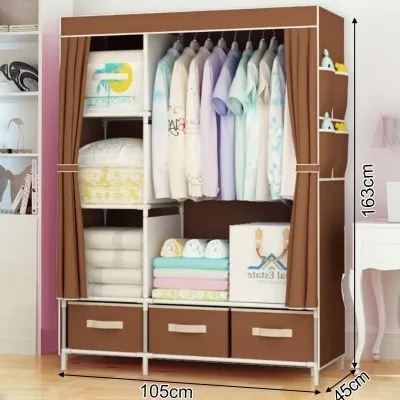
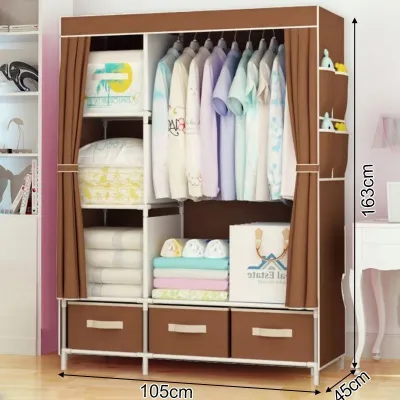
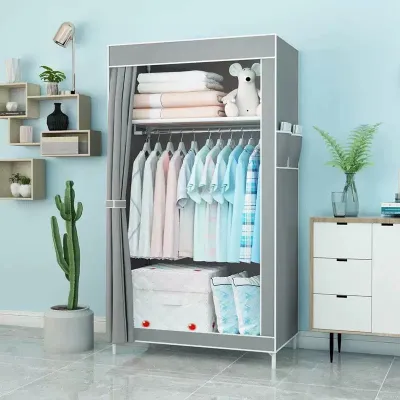
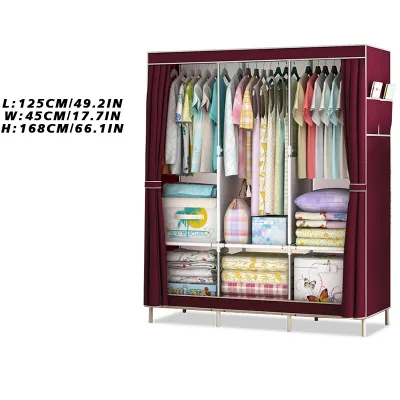
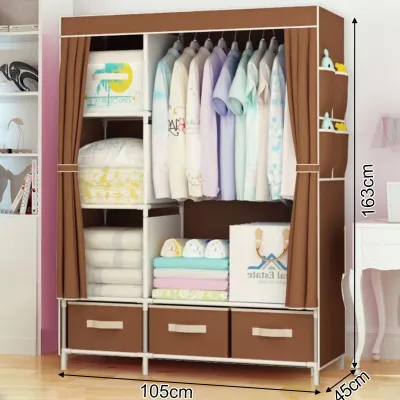
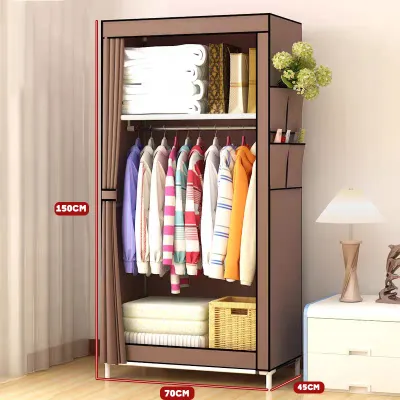
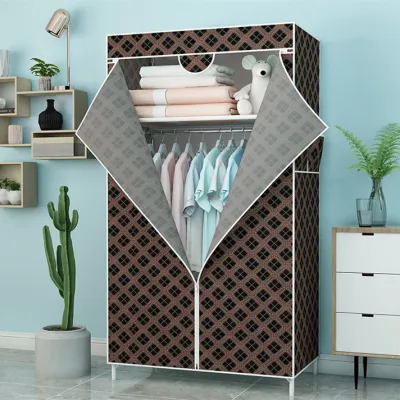
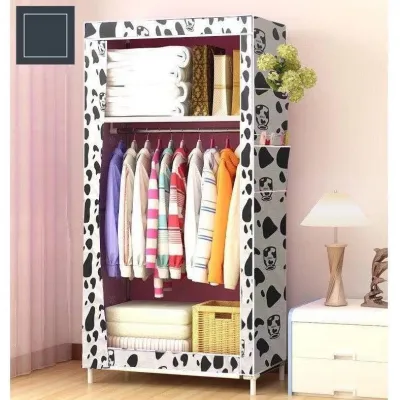
Prices are valid at publication and may change. Please refer to the product page for the latest price.

Equally important are the connectors that hold the frame together. Most budget-friendly models rely on plastic or resin connectors, usually made of polypropylene (PP) or acrylonitrile butadiene styrene (ABS). High-quality plastic connectors should feel thick and slightly flexible rather than brittle, as brittle plastic can crack under tension or during assembly. For maximum stability, some premium models feature reinforced metal corner joints or screw-in connections. When evaluating a cabinet, always check the manufacturer’s specified maximum load capacity and ensure you plan to distribute the weight evenly across all shelves and hanging rods.
Fabric Cover and Zipper Quality
The exterior cover serves as the primary barrier protecting your garments from dust, light, and pests. The three most common materials used for these covers are non-woven fabric, Oxford cloth, and canvas. Non-woven fabric is highly affordable and lightweight, but it is prone to tearing and can degrade quickly under direct sunlight. Oxford cloth, rated by denier (such as 210D or 600D), offers a much tighter weave, superior tear resistance, and a longer lifespan. Canvas is the heaviest and most durable option, providing an attractive, premium feel, though it is typically found on high-end models and requires more effort to clean.
Because the zipper is the most frequently operated component, it represents the most common point of failure. A broken zipper compromises the entire cabinet, leaving your clothes exposed to dust and humidity. When shopping, prioritize models that specify double-stitched zipper tracks and heavy-duty nylon or rust-resistant metal slides. Examine product descriptions for features like double-sided zipper pulls, which allow you to open the cabinet easily from both the inside and outside. Reading user feedback specifically regarding zipper alignment, teeth separation, and seam tearing will help you identify models built to withstand daily mechanical stress.
Storage Layout and Internal Configuration
A well-designed internal layout maximizes the utility of your cabinet, allowing you to organize different types of clothing efficiently. Standard configurations usually feature a central hanging rod flanked by several tiers of shelving. If you have many long dresses, trousers, or overcoats, prioritize models with a taller hanging section that prevents your clothes from pooling on the bottom shelf. Conversely, if your wardrobe consists mostly of folded t-shirts, activewear, and sweaters, a model with more shelving units and fewer hanging zones will serve you better.
Some advanced models offer modular layouts, allowing you to remove specific shelves to customize the interior space as your storage needs change. Look for helpful secondary features such as side pockets sewn into the exterior cover, which are perfect for storing small accessories like belts, scarves, or slippers. Additionally, check if the top panel of the frame is reinforced to support lightweight storage boxes, allowing you to utilize every inch of vertical space in your bedroom.
Sizing and Space Planning for Your Room
Before purchasing a zippered cabinet, precise measurements are essential to ensure the unit fits comfortably within your bedroom layout. Start by measuring the available floor space where you plan to place the wardrobe, keeping both the width and depth in mind. Standard depths for these cabinets range from 45cm to 50cm, which is slightly shallower than a traditional built-in closet but still deep enough to accommodate standard clothing hangers without forcing the fabric cover to bulge outward.
Height is another critical dimension to verify. Ensure the cabinet’s height leaves adequate clearance from ceiling fans, light fixtures, or low-hanging beams. Additionally, you must account for the physical space required to operate the zippered doors. Some models feature roll-up doors that secure at the top with straps, which requires zero extra floor clearance. Others use swing-out fabric flaps that fold back like traditional doors; for these, you must leave enough clear space in front of the cabinet to stand comfortably while accessing your clothes.
Finally, consider the logistics of getting the cabinet into your bedroom. While these items are shipped flat-packed, you should verify that the packaged dimensions can easily pass through your front door, stairwells, and narrow hallways. Fortunately, because the components are lightweight and unassembled, they are highly manageable for tight spaces, but having a clear assembly area of at least two square meters in your bedroom will make the setup process much smoother.
Protecting Your Clothes in Humid Climates
In tropical regions like the Philippines, high humidity levels present a constant threat to stored clothing. When moist air becomes trapped inside an enclosed fabric cabinet, it creates an ideal environment for mold, mildew, and musty odors to develop. This can ruin delicate fabrics and require frequent re-washing of clean clothes. To combat this, look for cabinet covers made of breathable materials, such as light Oxford cloth, which allow for natural air exchange while still blocking dust.
Strategic placement of your cabinet plays a major role in moisture control. Avoid pushing the wardrobe directly against concrete walls, especially external walls that tend to collect condensation during the rainy season. Leaving a gap of at least five to ten centimeters between the back of the cabinet and the wall promotes healthy airflow. For added protection, place hanging dehumidifier bags, silica gel canisters, or reusable moisture absorbers inside the cabinet, checking them regularly to replace or dry them out as needed.
Persistent humidity also threatens the structural integrity of the cabinet’s frame. Unprotected steel tubes can rust quickly, leading to structural weakness and unsightly orange stains on your fabric cover or clothing. Ensure the product specifications explicitly state that the metal frame is powder-coated, painted, or made of rust-resistant stainless steel. Regularly wiping down the exposed metal joints during humid seasons can help prevent moisture from settling in the crevices where rust typically begins.
Which Type of Zippered Cabinet Fits Your Needs?
Heavy-Duty Canvas or Oxford Cloth Wardrobes
For those seeking a reliable, long-term storage solution, heavy-duty wardrobes made from thick Oxford cloth or canvas are the premier choice. These models feature robust steel frames, often with tube diameters exceeding 16mm, and reinforced joints that can handle a substantial volume of clothing. The tightly woven fabric provides excellent dust protection and resists tearing even when packed tightly. While these models sit at a higher price point—typically ranging from ₱1,500 to ₱3,500 in the local market—their durability makes them well-suited as a primary bedroom wardrobe.
Lightweight Non-Woven Fabric Closets
If you need a temporary storage setup for a student dorm, a short-term rental, or guest room use, a lightweight non-woven fabric closet is highly practical. These models are exceptionally budget-friendly, often priced under ₱1,000, and are incredibly easy to transport due to their minimal weight. However, non-woven fabric is delicate and can degrade over time when exposed to heat and ambient moisture. To maximize the lifespan of these budget closets, avoid overloading the shelves and place them away from windows where direct sunlight can weaken the fabric fibers.
Multi-Tier Shoe and Garment Combos
For individuals with limited floor space who need to organize both footwear and apparel, a multi-tier combo cabinet is an efficient hybrid design. These units typically feature a tall hanging section on one side and a stack of narrow, reinforced shelves on the other, designed specifically to hold shoes, folded clothes, or storage bins. Because shoes can add significant weight to one side of the structure, it is crucial to choose a model with a wide, stable base. Ensure the heaviest items are placed on the lowest shelves to maintain a balanced center of gravity and prevent the unit from tipping forward when you pull the zipper.
Assembly, Maintenance, and Safety Best Practices
Assembling a zippered dress cabinet requires patience and attention to detail to ensure long-term stability. Always begin by laying out all components and sorting the metal tubes by length and the connectors by type. Assemble the frame on a flat, level surface, pressing each tube firmly into its corresponding connector to ensure a tight, flush fit. If the frame is misaligned or not fully seated, the fabric cover will stretch unevenly, putting immense pressure on the seams and zippers, which can lead to premature tearing.
Maintaining the cleanliness of your cabinet depends heavily on the fabric type. Always check the manufacturer’s care label before attempting to wash the cover. For non-woven fabric, avoid machine washing entirely, as the material will likely disintegrate; instead, gently wipe down the surfaces with a damp microfiber cloth and allow it to air dry completely. If you have an Oxford cloth or canvas cover, hand washing in cool water with a mild detergent is generally safe, but avoid using harsh bleach or machine drying, which can shrink the fabric and render it impossible to fit back over the frame.
Safety must always be a priority, particularly in households with children or active pets. Never exceed the manufacturer’s stated weight limits, and distribute your clothing evenly across the hanging rods and shelves. To prevent dangerous tip-over accidents, place heavy items like storage boxes, shoes, and thick blankets on the bottom shelves to lower the unit’s center of gravity. If the cabinet feels unstable or is placed on a carpeted surface, use simple wall-anchoring straps to secure the top of the frame to the wall for peace of mind.
Frequently Asked Questions (FAQ)
How do I fix a stuck zipper on a fabric wardrobe?
A stuck zipper is usually caused by trapped fabric, loose threads, or misaligned teeth along the track. First, gently inspect the backside of the zipper slider to see if any of the inner fabric lining has become caught in the mechanism. If so, slowly pull the fabric backward while gently moving the slider in the opposite direction. If the zipper is free of fabric but still resists sliding, rub a graphite pencil, a dry bar of soap, or a small amount of specialized zipper lubricant along the teeth to reduce friction. Never force the zipper pull with excessive strength, as this can permanently warp the metal teeth or tear the zipper track away from the fabric cover.
Can I machine wash the fabric cover of a zippered dress cabinet?
Whether you can machine wash the cover depends entirely on the material, so you must always verify the care instructions provided by the manufacturer. Non-woven fabric covers should never be placed in a washing machine, as the mechanical agitation and water saturation will cause the fibers to break apart and disintegrate. Instead, clean non-woven covers by wiping them down with a damp cloth and mild soap. Oxford cloth and canvas covers are more resilient and may tolerate hand washing or a gentle machine cycle in cold water, but you must air dry them completely; heat from a dryer can shrink the fabric, making it impossible to slip back over the metal frame.
Community discussion
Share your experience or ask a question. Comments are reviewed before publication.