
When preparing for a lipat bahay, choosing the right Zoey storage box sizes is a balancing act between the weight of your items and the physical volume they occupy. Instead of assigning one box size to an entire room, successful packing requires sorting your belongings by density. Heavy items like books and ceramic plates belong in smaller containers, while lightweight, bulky items like pillows and blankets are best suited for larger boxes. This strategic approach prevents box failure, protects your fragile belongings from crushing, and ensures that your moving team can lift and stack the containers safely.
General Rules for Matching Box Sizes to Your Belongings
While buying the largest plastic containers to pack everything at once is tempting, filling a massive box with heavy items makes it nearly impossible to lift and stresses the plastic joints. To avoid structural failure, reserve your smallest boxes for high-density items and use your largest containers exclusively for low-density, airy goods.
Before purchasing, check product listings or labels for maximum weight capacities. Stacking heavy boxes in a moving truck can crack the bottom lids if load thresholds are ignored.
Products mentioned in this guide
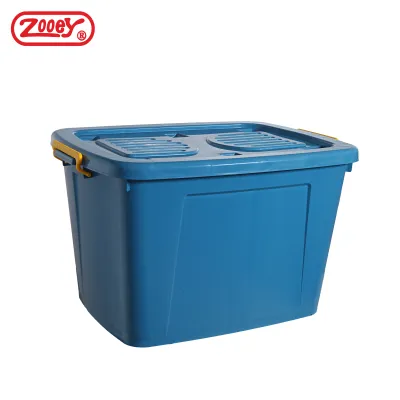
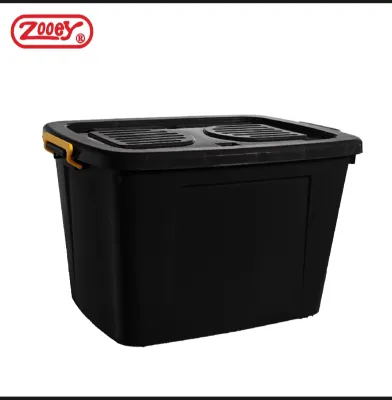
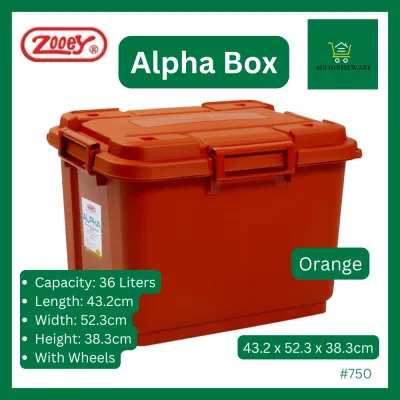
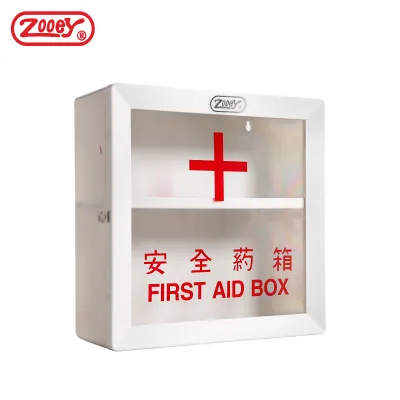
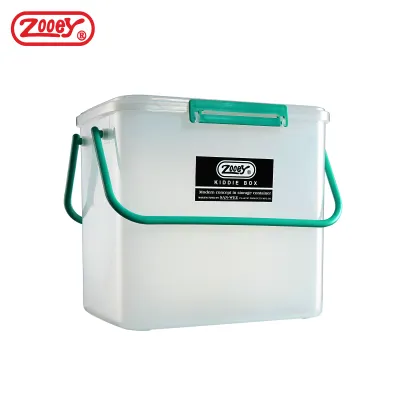
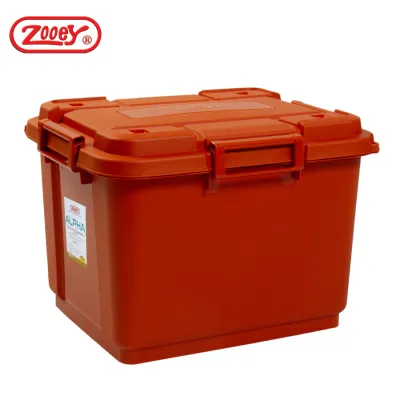
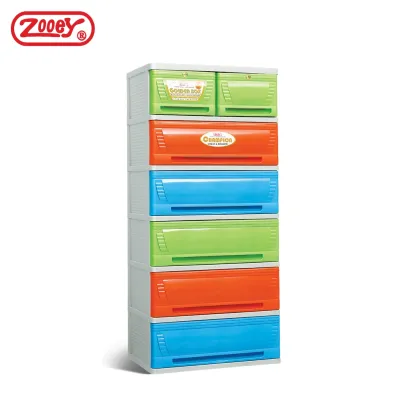
Prices are valid at publication and may change. Please refer to the product page for the latest price.
Additionally, consider the physical limits of those carrying the boxes. Keeping individual box weights within a manageable range—typically what one adult can comfortably carry—prevents physical strain and accidental drops during a busy moving day.
Size Strategies for Packing Different Rooms
Transitioning from general principles to room-by-room packing requires a systematic look at what you actually own. Every room in your home contains a mix of heavy, fragile, and lightweight items that must be sorted by density before they touch the inside of a plastic box.

Kitchen and Dining Areas
The kitchen is challenging due to fragile glass, heavy ceramics, and appliances. For ceramic plates, bowls, glassware, and canned goods, small to medium boxes are the safest choice. Packing these in smaller volumes prevents the box from becoming too heavy and reduces the risk of items crushing each other.
Medium boxes are ideal for lighter, bulkier kitchen essentials like plastic food containers, dry pantry goods, baking pans, and small appliances. These items take up space without adding significant weight, keeping the container organized and easy to lift.
Always leave adequate empty space inside the box for protective wrapping. Wrap fragile items in bubble wrap or packing paper, and fill any remaining gaps with crumpled paper to prevent shifting and colliding on bumpy roads.
Bedroom and Wardrobe
Bedrooms feature high-volume, low-weight textiles alongside small, dense accessories. Large boxes are perfect for folded clothing, bed linens, blankets, pillows, and curtains. These items fill a large container quickly without making it too heavy to lift.
Conversely, reserve small boxes for dense accessories like shoes, belts, and jewelry. Packing shoes in smaller containers also prevents them from getting scuffed or deformed under the weight of heavier items.
Optimize space by nesting smaller, soft items like socks or hand towels into the empty gaps and corners of your large boxes. This prevents the contents from shifting and provides extra cushioning.
Living Room and Home Office
The living room and home office contain a diverse mix of items, from dense books to sensitive electronics. For books, files, and documents, strictly use small storage boxes. Paper is deceptively heavy, and an oversized box of books can easily cause bottom failure or lifting injuries.
Medium boxes are best for electronics, cables, routers, and decorative pieces. Wrap devices individually and coil cables neatly to prevent tangling. This size provides enough space for protective padding while keeping the weight manageable.
Reserve large boxes for lightweight living room accessories like throw blankets, cushions, and lampshades. These items require dust protection but add virtually no weight, making them easy to stack on top of heavier boxes.
How to Verify Zoey Storage Box Specifications Before Buying
To purchase the correct containers, carefully analyze the product specifications on the official brand website or authorized online listings. A common error is confusing external dimensions with internal capacity. External dimensions are critical for planning vehicle space, but the internal capacity is always slightly smaller due to the taper of the plastic walls.
Pay attention to how design features affect usable space. For instance, deeply recessed lids offer excellent stacking stability but slightly reduce vertical clearance inside. Similarly, built-in side handles or wheel attachments can create interior protrusions that affect how you pack rigid items.
Before buying on an authorized online marketplace, read descriptions to verify liter capacities and material thickness. Opting for models with reinforced corners and thicker plastic walls provides the structural integrity needed to withstand stacking and transport without warping.
Common Packing Mistakes to Avoid with Plastic Storage Boxes
Using plastic storage boxes protects against dust and moisture, but improper packing can damage both your belongings and the containers. Avoid overfilling boxes beyond their closing point. Forcing a lid shut puts pressure on the latches, often resulting in cracked lids during transit. Ensure the lid sits flat and snaps shut easily.
Do not overlook the weight of the empty plastic container itself. Heavy-duty plastic boxes have a baseline weight that adds to the total load. Factor in this tare weight to ensure the final package remains safe to lift.
Finally, failing to secure lids or stacking boxes unevenly can lead to spills inside the moving truck. Place the heaviest, smallest boxes at the bottom to create a stable foundation, stack medium boxes in the middle, and place the largest, lightest boxes on top. Avoid tall, single-column stacks; instead, interlock the boxes to keep the load stable.
Frequently Asked Questions (FAQ)
Can I use one large box size for the entire move?
Using a single large box size is inefficient and increases the risk of damage. Packing large boxes with heavy items like books makes them too heavy to lift safely and can cause the plastic to crack. Conversely, packing small items in oversized containers wastes space and requires excessive packing material to prevent shifting. A mix of small, medium, and large boxes is essential.
How do I estimate the total number of boxes I need?
To estimate the number of boxes required, perform a visual inventory of your belongings instead of relying on generic formulas. Group items by density—separating heavy books and dishes from lightweight clothes and bedding. Estimate the volume of each category and compare it to the capacities of the Zoey models you plan to buy. Purchasing a few extra small and medium boxes is always wise for last-minute items.
Community discussion
Share your experience or ask a question. Comments are reviewed before publication.