
Selecting the right wall mounted shelves for kitchen spaces in small or highly compact layouts requires a delicate balance of spatial planning, weight capacity checks, and workflow integration. In a compact kitchen, vertical walls offer valuable real estate that can relieve crowded countertops and cabinets. However, installing the wrong shelf configuration can make a small room feel dark, cramped, and difficult to work in. To make an informed decision, you must analyze your kitchen’s layout, evaluate your storage needs, and understand the structural limits of your walls.
Measure Your Vertical Space and Workflow Zones
Before purchasing any shelving unit, map out the exact dimensions of your empty wall space. Measure the distance between your countertops and any overhead structures like cabinets or the ceiling. Maintain a clearance of at least 45 to 60 centimeters between the countertop and the bottom of your lowest shelf to ensure ample room for operating small appliances and prepping food. This gap ensures you can work comfortably without bumping into the shelving.
Next, divide your kitchen into prep, cooking, and cleaning zones to determine where shelves will be most useful. Placing a shelf directly above your primary food prep counter allows you to keep mixing bowls within arm’s reach. Meanwhile, a shelf near the stove should hold active cooking ingredients, while the area above the sink is ideal for daily dishware.
Products mentioned in this guide
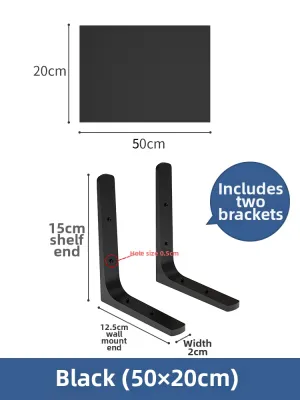
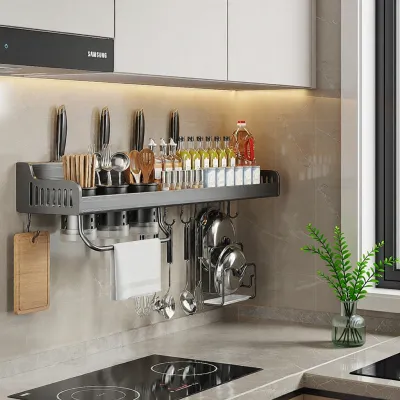
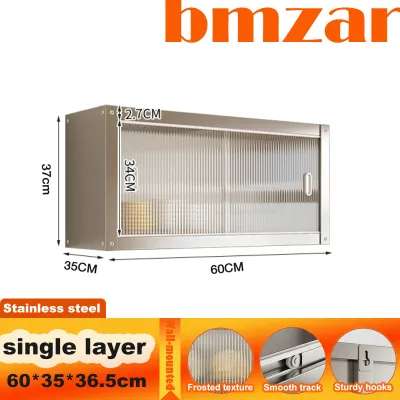
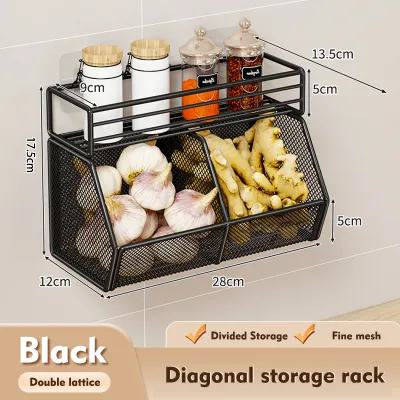
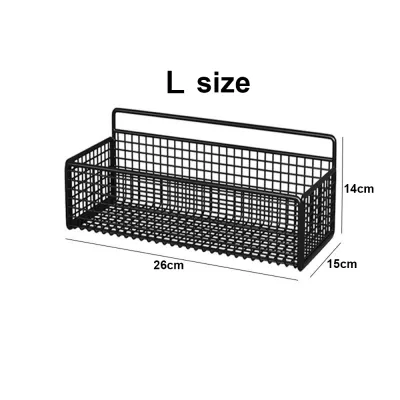
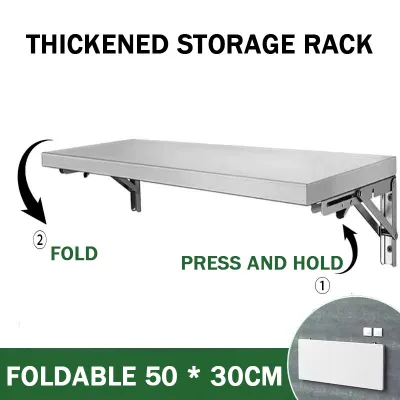
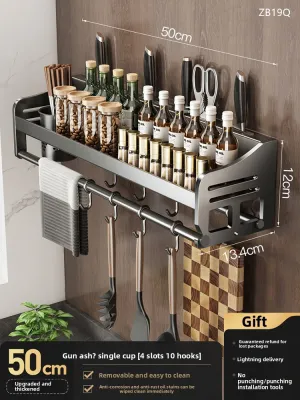
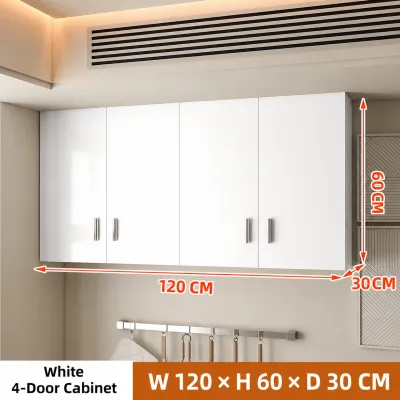
Prices are valid at publication and may change. Please refer to the product page for the latest price.
Identify potential physical obstructions that could interfere with your new shelves. Open the doors of all adjacent cabinets, swing your windows, and check the path of your refrigerator door. A shelf placed even a few centimeters too close to these zones can restrict movement or lead to accidental collisions. Also, note the locations of wall outlets and light switches to ensure shelves do not block access.
Finally, account for the physical dimensions of the shelf brackets and the board itself. Heavy-duty brackets often extend several centimeters below the shelf, which can eat into your vertical clearance. If your kitchen has narrow walkways, a shelf that sticks out too far can make the space feel claustrophobic. Always calculate the total depth—including the mounting hardware—before finalizing your placement.
Match Wall Mounted Shelves for Kitchen Storage to Your Items
To choose the ideal depth for your kitchen shelves, measure the base diameter of the largest items you plan to store. Dinner plates typically require a shelf depth of 28 to 30 centimeters, while coffee mugs and drinking glasses fit comfortably on shelves that are 15 to 20 centimeters deep. For spice jars, a narrow depth of 10 to 12 centimeters is sufficient.

Adding a safety margin of at least 2 to 3 centimeters to your measurements prevents accidental drops. This extra space ensures that plates and bowls do not hang over the front edge, making them easy to knock off during busy cooking sessions. For added security, look for shelves that feature a raised front lip or a small guardrail, especially if you plan to store delicate glassware.
When deciding on the width of your shelves, consider the structural trade-offs between long runs and shorter, modular units. Longer shelves (90 to 120 centimeters) provide a clean aesthetic and accommodate larger items, but they distribute weight over a wider span, requiring more support brackets and secure anchoring. Shorter shelves (45 to 60 centimeters) offer greater placement flexibility, allowing you to utilize awkward corners or narrow wall strips.
Never rely solely on material names like “solid oak” or “stainless steel” to judge how much weight a shelf can hold. Instead, always consult the manufacturer’s official specifications for the maximum load capacity. This rating is highly dependent on the mounting brackets, the wall anchors used, and the overall build quality. Keep in mind that load capacity is calculated based on evenly distributed weight, so placing a heavy iron pot in the exact center can cause bowing.
Decide on Tier Configurations and Vertical Spacing
Your choice between single-tier and multi-tier configurations depends on your storage goals and ceiling height. A single-tier shelf is excellent for maintaining an open, airy feel in a small kitchen, providing quick access to daily essentials without visual clutter. Multi-tier configurations maximize vertical storage capacity by stacking shelves upward, making them ideal for kitchens with limited horizontal wall space.
To calculate the correct vertical spacing between multiple tiers, measure the height of your tallest items and add a clearance buffer. For instance, if you plan to store a 25-centimeter-tall olive oil bottle, leave at least 35 to 40 centimeters of vertical space between that shelf and the one above it. This extra clearance allows you to comfortably lift and retrieve items without scraping the underside of the upper shelf.
If you have a diverse mix of tall and short items, consider a staggered or asymmetrical tier layout rather than a rigid, symmetrical stack. Installing shorter shelves at different heights allows you to customize the vertical spacing for specific items—such as tall canisters on one side and double-stacked spice jars on the other. This approach optimizes every square centimeter of wall space and adds visual interest.
Be cautious about placing your highest shelf tier too close to the ceiling. Shelves positioned near the ceiling are difficult to reach without a step stool. Furthermore, the air near the kitchen ceiling tends to trap rising heat, moisture, and vaporized cooking grease. Items stored on extremely high shelves will collect sticky dust and grease much faster, requiring frequent, difficult cleaning. Aim to keep your top shelf at least 30 to 45 centimeters below the ceiling line.
Plan the Layout to Maximize Storage Without Clutter
Strategic placement ensures your open shelves remain functional without making your small kitchen look messy. Consider installing a sturdy, slatted shelf directly above your sink to serve as an integrated dish-drying rack, allowing water to drip safely into the basin. Near the range, a small shelf can hold your daily cooking oils, keeping your primary countertop clear. Empty corners can be transformed into high-yield storage zones by utilizing L-shaped corner shelves designed for tight spaces.
The tropical climate and high indoor humidity in the Philippines present unique challenges for open-shelf storage. Excess moisture can cause unsealed dry ingredients to clump and paper goods to degrade. To protect your supplies, avoid storing moisture-sensitive items on open shelves near high-humidity zones like the sink or stovetop. Instead, reserve these open areas for non-porous items like ceramic plates, glass mugs, and stainless steel cookware.
To maintain structural safety and ease of use, organize your shelves by weight and frequency of use. Place your heaviest and most frequently used items—such as dinner plates and heavy mixing bowls—on the lowest tiers. This keeps the center of gravity low, reducing the strain on your wall brackets. Reserve the higher, harder-to-reach tiers for lightweight, occasionally used pieces, such as decorative serving platters or woven baskets.
Visual clutter can quickly make a small kitchen feel chaotic, especially in open-concept condominium units. To combat this, use uniform, airtight glass canisters for dry goods like rice, pasta, and coffee beans. Grouping smaller, mismatched items into matching woven or wire baskets hides the clutter while keeping your shelves looking organized and intentional. Limit the color palette of the items on display to create a cohesive, curated look.
Verify Installation Clearances and Wall Safety
Identify your wall type before drilling to ensure a secure installation. Many homes and condominiums in the Philippines feature concrete walls or concrete hollow blocks (CHB), while interior partition walls are often constructed from drywall or fiber cement board. Each material requires a specific mounting strategy. Concrete walls demand masonry drill bits and expansion anchors, whereas drywall requires specialized toggle bolts or hollow wall anchors. Always refer to the shelf manufacturer’s instructions to select the correct hardware.
Locating hidden utilities is a critical safety step before any drilling takes place. Kitchen walls are packed with electrical conduits, light switches, and plumbing lines. Use a high-quality stud finder with live-wire and metal detection capabilities, or consult your building’s utility plans. Accidentally drilling into a water pipe or live electrical wire can cause catastrophic damage and severe safety hazards.
Avoid mounting wood or laminate shelves directly above a high-heat source, such as a gas cooktop or a high-power induction burner, without verifying the safety clearances. The intense heat, steam, and airborne grease can warp, discolor, or crack wood finishes over time. Ensure there is adequate clearance as recommended by both the shelf manufacturer and your cooktop’s safety manual.
If you encounter any unexpected resistance while drilling, find that your wall material is crumbling, or suspect that the weight of your fully loaded shelves will exceed the structural capacity of your wall, stop immediately. Do not attempt to force the installation. Consult a qualified professional carpenter, contractor, or local handyman to assess the wall structure and complete the installation safely.
Avoid Common Sizing and Placement Mistakes
One of the most common mistakes in small kitchen design is choosing shelves that are too deep for the workspace below. If you install a 35-centimeter-deep shelf directly above a standard 60-centimeter countertop, you will likely bump your head while prepping food. Deep shelves also block overhead ambient light, casting dark shadows over your workspace and making the kitchen feel smaller and dimmer.
Another frequent error is failing to account for the swing radius of nearby cabinet doors, refrigerator handles, or outward-opening windows. A shelf that blocks a cabinet door from opening fully is frustrating and can scratch your cabinetry. Open all doors and windows to their maximum angles and mark their paths on the wall before finalizing your shelf placement.
Avoid the temptation to load decorative wall shelves with heavy, high-vibration kitchen appliances like microwave ovens, stand mixers, or food processors. Unless a shelving unit is explicitly designed, rated, and anchored for appliance storage, the weight and vibration can loosen wall anchors over time, leading to a sudden collapse. Keep these heavy appliances on stable countertops or dedicated utility carts.
Finally, remember that open shelves require regular maintenance to stay clean. Placing open shelving too close to a stovetop without a high-performance range hood will result in a sticky layer of grease and dust settling on your dishes and shelves. If you prefer a low-maintenance kitchen, keep your shelves at a distance from the cooking zone and commit to a quick weekly dusting and wiping routine using a damp cloth and mild soap, following the manufacturer’s care instructions.
Frequently Asked Questions (FAQ)
Can I mount shelves directly over a tiled backsplash?
Yes, you can mount shelves over a tiled backsplash, but it requires specialized tools. You must use a diamond-tipped or carbide-tipped glass and tile drill bit to slowly drill through the hard tile surface without cracking the glaze. Do not use the hammer action setting on your drill while piercing the tile. Once you pass through the tile and reach the underlying concrete or drywall, switch to the appropriate masonry or standard drill bit. Ensure your anchors are long enough to pass through both the tile and the mortar bed to grip the structural wall behind. If you are dealing with fragile or loosely adhered tiles, consult a professional.
How do I protect open shelves from cooking grease and humidity?
To protect your shelves from grease and humidity, install them at least 60 centimeters away from your main cooktop and run a high-quality range hood whenever you cook. Choose shelf materials with moisture-resistant finishes, such as powder-coated steel, stainless steel, or sealed solid wood, and verify the manufacturer’s care instructions before cleaning. Keep your shelves clean by storing only daily-use items on them, as these items are washed frequently and will not collect dust. For items that are used less often, store them in closed cabinets or inside airtight, easy-to-wipe containers on the shelves.
Community discussion
Share your experience or ask a question. Comments are reviewed before publication.