
To fit a small breakfast nook without making it feel cramped, choose wooden furniture with slender profiles, open bases, and space-saving configurations like tuck-under benches or wall-mounted drop-leaf tables. In tropical homes, such as those in the Philippines, a breakfast nook often serves as a high-traffic morning hub where humidity and space constraints require careful planning. Selecting the right wooden furniture involves balancing the warmth of natural timber with smart spatial design. By focusing on clean lines, compact footprints, and versatile configurations, you can establish a cozy dining spot that feels airy, functional, and perfectly integrated into your kitchen layout.
Measure Your Breakfast Nook Before Shopping
Before browsing online marketplaces or local furniture showrooms, you must establish the exact physical boundaries of your dining area. Grab a reliable steel measuring tape and record the precise length and width of the designated nook. If your space features an alcove, a bay window recess, or an awkward corner between kitchen counters, measure these recessed zones separately to understand the true usable footprint.
A common oversight is failing to account for the clearance needed to move around the table comfortably. Aim to preserve a clear walkway around the dining zone so family members can pass by without squeezing. This means measuring the distance from the edge of the proposed table to the nearest wall, kitchen island, or appliance, ensuring there is ample room to pull out chairs and sit down comfortably.
Products mentioned in this guide
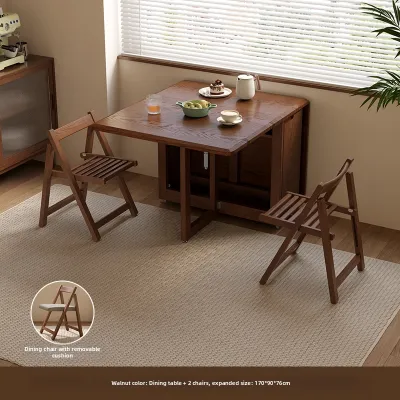
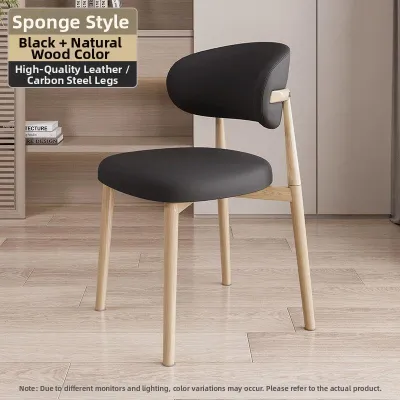
Prices are valid at publication and may change. Please refer to the product page for the latest price.
Additionally, take note of any architectural features that could restrict your furniture layout. Look for low-hanging windows, swinging pantry doors, light switches, electrical outlets, or built-in cabinets that require clearance to open fully. In tropical climates, you must also consider the placement of wall-mounted fans, air conditioning units, or floor vents, ensuring your wooden furniture does not block essential airflow or suffer from direct exposure to localized drafts.
Space-Saving Wooden Table Shapes and Configurations
The shape of your wooden table plays a critical role in how traffic flows through a compact breakfast nook. Round or oval wooden tables are highly effective for tight spaces because they eliminate sharp corners, allowing family members to navigate around the dining area smoothly. The curved edges also make it easier to squeeze in an extra seat when hosting guests, creating a more flexible and communal dining experience.

Conversely, rectangular or square wooden tables offer distinct spatial advantages when you need to maximize floor area. These shapes can be pushed flush against a wall or tucked directly into a corner when not in use, instantly freeing up valuable floor space in the center of the room. This configuration works exceptionally well in narrow kitchens or long, corridor-style dining alcoves where every centimeter counts.
For ultimate versatility, consider space-saving mechanisms such as drop-leaf, extendable, or wall-mounted wooden tables. A drop-leaf table allows you to fold down one or both sides when you only need a quick morning coffee, then expand the surface when serving a full meal. When selecting these adjustable options, always check the manufacturer’s hardware specifications, installation requirements, and weight limits to ensure the hinges and support brackets can handle daily use.
To maintain a sense of visual lightness, prioritize wooden tables designed with slender legs, tapered profiles, or open pedestal bases. Heavy, solid-sided wooden tables block the line of sight and make a small room feel crowded. In contrast, a table with thin, angled legs or a minimalist metal-and-wood frame allows light to pass through, creating the illusion of a larger, more open floor area.
Choosing the Right Wooden Seating for Tight Spaces
Seating choices can make or break the functionality of a small breakfast nook. One of the most efficient strategies is incorporating a wooden bench that can slide completely underneath the table when not in use. This setup keeps the surrounding walkways entirely clear during non-meal times, which is particularly beneficial in open-plan kitchens where the dining nook borders a main pathway.
If you prefer individual seats, look for armless wooden chairs, backless stools, or stackable designs. Armless chairs have a significantly smaller physical and visual footprint compared to bulky armchairs, allowing them to sit closer together and tuck further under the table edge. Backless wooden stools are another excellent option, as they can be hidden away beneath the tabletop, keeping the visual plane clean and unobstructed.
Before finalizing your purchase, always verify the seat height of your chosen chairs or benches against the table’s apron thickness. The apron is the wooden frame supporting the tabletop, and if it is too deep, it can severely restrict legroom. Check the product’s specification sheet to ensure there is comfortable clearance between the top of the seat and the underside of the table frame, allowing diners to sit comfortably without their knees pressing against the wood.
Visual and Layout Tricks to Keep the Nook Feeling Open
Creating an inviting breakfast nook is as much about visual perception as it is about physical dimensions. To prevent a wooden dining set from dominating a small space, balance the visual weight of the wood tone with your surrounding wall and floor colors. If your nook features dark wood furniture, pair it with light-colored walls, soft textiles, or a pale area rug to prevent the corner from feeling heavy, dark, and enclosed.
Instead of crowding the floor with bulky sideboards or freestanding storage units, utilize your vertical wall space for storage and display. Installing floating wooden shelves or narrow, wall-mounted cabinets allows you to store mugs, plates, and coffee supplies without sacrificing precious floor area. This keeps the ground level clear, which naturally makes the entire breakfast nook feel more spacious and organized.
Additionally, keep the tabletop clear of excessive decor to maintain clean sightlines throughout the day. A single small vase or a simple wooden tray is sufficient to add warmth without creating clutter. Pair this minimalist approach with streamlined, low-profile lighting fixtures, such as a slender pendant light or recessed ceiling lights, to draw the eye upward and emphasize the height of the room rather than its limited footprint.
Common Sizing and Clearance Mistakes to Avoid
A frequent mistake when planning a breakfast nook is measuring only the static footprint of the furniture while ignoring its active use. Homeowners often forget to calculate the extra space required when chairs or benches are fully pulled out for someone to sit down or stand up. Without this buffer, diners may find themselves wedged against the wall or blocking adjacent walkways every time they use the nook.
Another common error is selecting wooden tables with thick, heavy pedestals or wide trestle bases. While these designs offer excellent stability, they can severely block footroom in a tight space, making it difficult for diners to slide their legs under the table comfortably. Opting for tables with clean, outer-corner legs or slim, unobtrusive central supports ensures everyone has enough legroom without bumping knees.
Finally, do not ignore the daily traffic flow of your household when arranging your breakfast nook. Ensure the table placement does not interfere with opening nearby kitchen cabinet doors, refrigerator drawers, or oven doors. Maintaining a clear path for serving food and moving between the main kitchen workspace and the dining nook is essential for a functional, stress-free home environment.
Frequently Asked Questions (FAQ)
Can I use a wooden bench on just one side of the table?
Yes, using a wooden bench on just one side of the table is a highly practical and stylish solution for tight spaces. Placing a bench against the wall side allows you to push the table closer to the wall, saving valuable floor space, while using individual chairs on the outer side maintains easy access. Just ensure the bench length aligns properly with the table’s inner leg span so it can slide completely underneath when not in use.
How do I protect wooden furniture in a sunny breakfast nook?
To protect wooden furniture in a sunny breakfast nook, start by checking the manufacturer’s care instructions for specific recommendations on UV-resistant finishes or oil treatments. You can also use light window treatments, sheer curtains, or adjustable blinds to filter intense morning sunlight without losing natural brightness. Additionally, placing table runners or placemats over the wood surface during peak sun hours helps minimize direct exposure, preventing the timber from fading, cracking, or drying out over time.
Community discussion
Share your experience or ask a question. Comments are reviewed before publication.