
Acrylic jars are an excellent, lightweight, and shatter-resistant choice for organizing everything from kitchen spices and pantry staples to bathroom cosmetics, but their beautiful transparency is highly vulnerable to fine scratches and permanent chemical clouding if cleaned incorrectly. To clean acrylic jars safely and maintain their crystal-clear appearance, you must wash them by hand using only lukewarm water, a few drops of mild liquid dish soap, and a clean, non-abrasive microfiber cloth, while strictly avoiding harsh chemicals and rough scrubbing tools. Taking a gentle, systematic approach to washing and drying prevents the microscopic abrasions and chemical reactions that turn clear plastic dull and hazy over time.
Acrylic, scientifically known as polymethyl methacrylate, is a synthetic polymer valued for its exceptional clarity and impact resistance. However, compared to traditional glass, acrylic has a much softer surface, meaning it can scratch under very light friction if abrasive dust or rough fabrics are rubbed against it. Additionally, its chemical structure makes it highly reactive to certain solvents commonly found in household cleaners, which can dissolve or fracture the plastic on a microscopic level. Understanding these material characteristics is the first step toward preserving the aesthetic appeal and structural integrity of your storage containers.
What supplies do you need to clean acrylic jars safely?
To clean acrylic jars safely without risking scratches or chemical damage, you need a simple combination of mild liquid dish soap, lukewarm water, and a clean, ultra-soft microfiber cloth or non-abrasive sponge. These gentle agents lift dirt and oils effectively without degrading the acrylic polymer or leaving microscopic abrasions on the surface. Gathering the correct tools before you begin prevents the accidental use of damaging household items that can permanently ruin the plastic.
Products mentioned in this guide
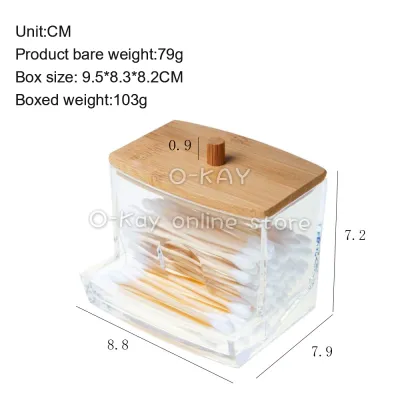
322 Lazada user ratings
Functional and aesthetically pleasing, Easy to clean and maintain, Ang ganda worth it for the price..buy na kau sa store na to maayos pa pag…Read full reviewShow less
Functional and aesthetically pleasing, Easy to clean and maintain, Ang ganda worth it for the price..buy na kau sa store na to maayos pa pagkapackaging ng item niyo very secure..
Convenient storage solution for bathroom essentials, Stylish and functional bathroom organizers, Keeps my bathroom countertop organized, Eas…Read full reviewShow less
Convenient storage solution for bathroom essentials, Stylish and functional bathroom organizers, Keeps my bathroom countertop organized, Easy to clean and maintain,
Very good quality products. The lid covers tightly which is very good. Will definitely order again
very useful and cute thank you po seller and ky kuya rider na mabait
240 Lazada user ratings
Transparent design allows easy visibility of contents, Easy to open and close, 🛠️Durability:durable for its purpose 🎨Design:simple yet elegan…Read full reviewShow less
Transparent design allows easy visibility of contents, Easy to open and close, 🛠️Durability:durable for its purpose 🎨Design:simple yet elegant 📏Size:right size i need
Transparent design allows easy visibility of contents, Convenient for organizing candies and snacks, Compact and space-saving, Great for gif…Read full reviewShow less
Transparent design allows easy visibility of contents, Convenient for organizing candies and snacks, Compact and space-saving, Great for gifting small items,
like it to organize my draggees but what i dont want is the square box 1 is missing but lid are complete i hope you send me 1
pwede syang lagayan ng relos or any accessories na maliliit. pwede rin sya pang pastry or snacks.
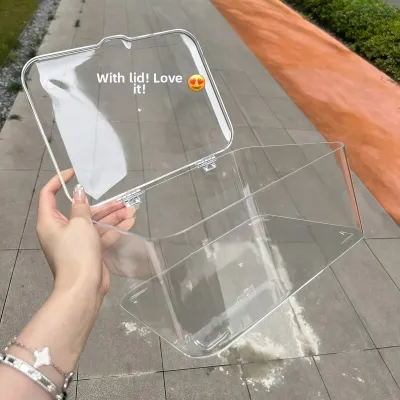
618 Lazada user ratings
Kitchen storage solution, Easy to organize, Fast shipping service, Easy to organize, Good for small spaces, Transparent acrylic material, On…Read full reviewShow less
Kitchen storage solution, Easy to organize, Fast shipping service, Easy to organize, Good for small spaces, Transparent acrylic material, Only downside is it isnt stackable.
it has a scratch when it came and it is somehow bowed because the only packaging is the box and the black pouch but it is pretty big…I could…Read full reviewShow less
it has a scratch when it came and it is somehow bowed because the only packaging is the box and the black pouch but it is pretty big…I could fit a lot of things
came in good condition and as described & as expected, but shipping took exactly a whole month from the time i ordered it to the time i rece…Read full reviewShow less
came in good condition and as described & as expected, but shipping took exactly a whole month from the time i ordered it to the time i received it.
Good for small spaces, Compact size design, all good no damage; fast delivery and safe delivery just right size
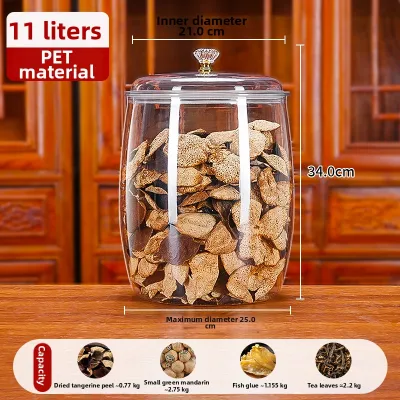
27 Lazada user ratings
Durable and long-lasting, Easy to fill and empty, Clear visibility of contents, nvccccbn
Good quality packaging, Clear visibility of contents, ideal for every day use
Large opening design, Transparent acrylic material, Good quality packaging,
its my third time to but this product. it's a good buy.
Prices are valid at publication and may change. Please refer to the product page for the latest price.
Mild liquid dish soap is the ideal cleaning agent for acrylic because it has a neutral pH and contains no harsh solvents, acids, or alkalis. It is specifically formulated to break down grease, oils, and food residues safely, making it perfect for jars used in kitchens or bathrooms. Avoid using heavy-duty laundry detergents, hand soaps with added moisturizers, or scented dish soaps that contain synthetic oils, as these can leave a stubborn film on the plastic that is difficult to rinse off and may mimic cloudiness.
Lukewarm water is another essential component of the cleaning process. Water that is too hot can cause the acrylic to expand unevenly, leading to warping, structural weakness, or a network of fine cracks known as crazing. Conversely, cold water may not be as effective at dissolving grease or activating the soap’s cleaning properties. A comfortable, lukewarm temperature ensures a safe and effective wash without putting thermal stress on the material.
The choice of wiping material is critical when handling soft plastics. Microfiber cloths are highly recommended because their split fibers are designed to trap dust, dirt, and microscopic debris within the fabric rather than dragging them across the surface of the jar. If microfiber is unavailable, a clean, 100% soft cotton towel or a sponge specifically labeled as non-abrasive and safe for delicate surfaces can be used. Always ensure that the cloth or sponge is completely free of any trapped grit or dried residue from previous cleaning tasks, as even a single grain of sand can leave a visible scratch.
Before starting, it is also highly beneficial to check the manufacturer’s care label or product instructions on the jars for any specific material restrictions or warnings. Some high-end acrylic containers feature specialized coatings, rubber gaskets, or metal latches that require specific handling or have strict temperature limits. Reviewing these guidelines beforehand ensures you do not inadvertently void a warranty or damage integrated components like airtight silicone seals.
How should you wash and dry acrylic jars step by step?
Washing and drying acrylic jars step by step requires a gentle, friction-minimizing process that begins with a thorough pre-rinse to remove loose debris, followed by a soft hand-wash with soapy water, and ends with careful air-drying or patting with a clean microfiber towel. This systematic method ensures that abrasive particles are washed away before any wiping pressure is applied, preventing the formation of fine surface scratches. Following these steps carefully will keep your storage containers looking as clear as glass.

The first step in the washing process is a thorough pre-rinse under running lukewarm water. Dust, salt crystals, sugar grains, and dried food residues can act like sandpaper if they are wiped directly against the acrylic surface with a cloth. By rinsing the jar first, you flush away these loose, abrasive particles without applying any friction. For sticky residues, let the jar soak in a basin of lukewarm water for a few minutes to loosen the bond before attempting to wipe it.
Once the pre-rinse is complete, prepare a mild cleaning solution by mixing a few drops of dish soap into a basin of lukewarm water. Submerge your clean microfiber cloth or non-abrasive sponge into the soapy water, wring it out so it is damp but not dripping, and gently wipe the surfaces of the jar. It is crucial to avoid using excessive pressure or scrubbing in tight, circular motions, as this concentrates friction and can create circular swirl marks. Instead, use light, straight, sweeping strokes along the length of the jar to lift away remaining oils and fingerprints.
After wiping down all surfaces, including the interior, exterior, and any lid components, rinse the jar thoroughly under clean, running lukewarm water. Ensure that all soap suds and residue are completely washed away, as dried soap can leave a dull, cloudy film on the plastic that ruins its clarity. If the jar has a lid with a removable silicone gasket, remove the gasket and rinse it separately to prevent soap from becoming trapped in the grooves, which can lead to mold growth over time.
The final step is drying the jars properly to prevent water spots and lint buildup. The safest method is to place the jars upside down on a clean, soft drying rack or a clean microfiber towel and allow them to air-dry completely. If you need to use the jars immediately, gently pat them dry with a fresh, dry microfiber towel rather than rubbing them vigorously. Rubbing dry acrylic can generate static electricity, which acts like a magnet for airborne dust and lint, undoing your cleaning efforts instantly.
Which cleaning products and tools must you avoid?
To protect acrylic jars from irreversible clouding, cracking, and surface dullness, you must avoid harsh chemical solvents like ammonia, rubbing alcohol, bleach, and standard glass cleaners, as well as abrasive tools like paper towels, scouring pads, and stiff brushes. These common household items chemically degrade the acrylic polymer or physically gouge the soft surface, causing permanent damage that cannot be easily repaired. Understanding what to avoid is just as important as knowing the correct cleaning techniques.
Harsh chemical cleaners are the primary cause of chemical clouding and crazing in acrylic. Standard glass cleaners often contain ammonia or isopropyl alcohol, which react chemically with the acrylic polymer, breaking the molecular bonds and causing the plastic to develop a network of microscopic cracks. This damage, known as crazing, occurs within the material itself, making it completely irreversible and severely weakening the structural integrity of the jar. Bleach, acetone, and multi-purpose spray cleaners can cause similar chemical degradation, turning a clear jar permanently opaque and brittle.
Abrasive cleaning tools are equally destructive to the soft surface of acrylic. Paper towels and standard kitchen napkins may feel soft to the touch, but they are made of wood pulp, which contains microscopic wood fibers that act as a mild abrasive on soft plastics. Wiping an acrylic jar with a paper towel will leave thousands of microscopic scratches that dull the finish over time. Similarly, green scouring pads, steel wool, and stiff-bristle scrub brushes will gouge deep, visible scratches into the surface, ruining the jar’s appearance and creating crevices where bacteria can thrive.
Using hot or boiling water is another major risk that must be avoided. Acrylic has a relatively low thermal tolerance compared to glass, and exposing it to high temperatures can cause the plastic to warp, lose its shape, or crack due to thermal shock. For this reason, you should never wash acrylic jars in a dishwasher unless the manufacturer explicitly states they are dishwasher-safe on a low-temperature, air-dry cycle. The intense heat of dishwasher heating elements and the highly abrasive nature of dishwasher detergents will quickly cloud, warp, and ruin the material.
Additionally, avoid using any abrasive household powders or DIY cleaning pastes, such as baking soda or commercial scouring powders. While baking soda is a popular and safe cleaning agent for many household surfaces, its crystalline structure is too abrasive for soft acrylic and will scratch the surface if rubbed against it. Stick strictly to liquid, non-abrasive soaps to maintain a smooth, scratch-free finish.
How can you restore clarity if your acrylic jars become cloudy?
Restoring clarity to cloudy acrylic jars involves identifying whether the cloudiness is caused by removable surface residue, minor physical scratches, or deep chemical damage, and then applying a specialized, non-abrasive plastic polish if the damage is superficial. If the cloudiness is caused by chemical crazing or deep scratches that harbor bacteria, the structural integrity is lost, and the jars must be replaced for safety and hygiene. Knowing how to assess the damage helps you determine whether a jar can be saved or if it is time to invest in a replacement.
The first step in addressing cloudiness is to distinguish between different types of surface issues. Run a clean, dry finger over the cloudy area to feel its texture. If the cloudiness feels sticky, greasy, or slightly rough but can be scraped off gently with a fingernail, it is likely a buildup of hard water minerals, grease, or food residue. This type of cloudiness is superficial and can usually be resolved by soaking the jar in a mild solution of warm water and a small amount of white vinegar to dissolve mineral deposits, followed by a standard hand-wash.
If the cloudiness is smooth to the touch but appears hazy, it is likely caused by a dense network of micro-scratches from improper wiping or mild chemical exposure. For minor surface haze and fine scratches, you can attempt to restore clarity using a specialized plastic polish designed specifically for acrylic or polycarbonate materials. Apply a small, dime-sized amount of the polish to a clean, dry microfiber cloth and gently buff the cloudy area using light, straight strokes, following the product’s application instructions precisely. Wipe away any excess polish with a clean section of the cloth and inspect the results.
However, there are clear limits to what restoration can achieve, and you must know when to stop and replace the jars. If the cloudiness is caused by internal crazing from exposure to harsh chemicals like alcohol or ammonia, the damage is embedded deep within the plastic’s molecular structure and cannot be polished out. Furthermore, if the jars have deep scratches, cracks, or chips, they should be discarded immediately, especially if they are used for food storage. Deep physical damage compromises the structural integrity of the jar, making it prone to cracking or shattering, and creates deep crevices where harmful bacteria, mold, and food particles can accumulate, posing a serious health and hygiene risk.

Community discussion
Share your experience or ask a question. Comments are reviewed before publication.