
A chaotic kitchen can slow down daily meal preparation, especially in busy households where cooking is a central part of daily life. Instead of treating spice racks, pot organizers, and fridge bins as isolated storage units, integrating them into a unified kitchen system streamlines your workflow. Whether you are planning a complete kitchen overhaul or looking for budget-friendly upgrades under ₱5,000, coordinating your storage products ensures they work as a cohesive system rather than random individual pieces. By coordinating materials, aligning placement with your cooking habits, and respecting the physical limits of your space, you can transform scattered storage into an efficient culinary workstation.
Assessing Your Kitchen Space and Workflow
Before purchasing any organizers, you must map out the physical boundaries of your kitchen. Start by taking precise measurements of your cabinet interiors, available wall surfaces, and refrigerator shelves. In tropical climates like the Philippines, high humidity can affect how materials behave, so ensuring adequate clearance around storage units is essential for proper air circulation. Write down the height, width, and depth of each target area, keeping a close eye on any protruding pipes, hinges, or shelf brackets that might reduce the actual usable space.
Next, analyze your daily cooking habits to establish distinct accessibility zones. High-frequency items, such as cooking oils, everyday spices, and your most-used frying pans, need to reside within arm’s reach of the stove or prep counter. Conversely, specialty ingredients, seasonal baking tools, and large stockpots can be relegated to higher shelves or deeper cabinets. Grouping items by how often you use them prevents you from constantly digging through deep cupboards during busy meal prep.
Products mentioned in this guide
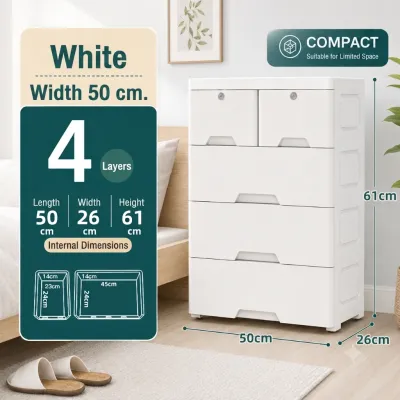
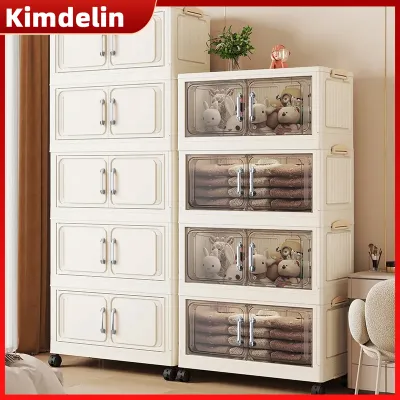
Prices are valid at publication and may change. Please refer to the product page for the latest price.
Finally, check the clearance of all moving parts in your kitchen. Open your refrigerator doors, cabinet doors, and deep drawers fully to ensure that newly installed racks or bins will not block their paths. Walkways must remain completely unobstructed; a pot rack that juts out too far into a narrow kitchen corridor can become a safety hazard. Pay special attention to the swing radius of your refrigerator doors, as bulky external organizers or poorly positioned wall racks can prevent doors from opening wide enough to slide out internal crisper drawers.
Selecting Compatible Spice, Pot, and Fridge Organizers
Choosing the right spice rack depends heavily on your kitchen’s layout and your preferred cooking style. Countertop tiered stands keep spices visible and accessible but consume valuable workspace, making them ideal for larger kitchens. Wall-mounted rails utilize vertical backsplash space, keeping counters clear, while drawer inserts hide jars away for a minimalist look. When selecting drawer inserts, verify the internal height of your drawer to ensure that spice jar lids will not catch on the frame when opening and closing.

Pot racks require careful structural consideration before selection. Ceiling-hung and wall-mounted pot racks are excellent for freeing up cabinet space, but they must be anchored securely into ceiling joists or wall studs to support heavy cookware. If your kitchen walls consist of hollow drywall or lightweight concrete blocks without solid backing, an under-cabinet pull-out organizer or a heavy-duty freestanding floor rack is a much safer alternative. Always check the manufacturer’s specifications for weight limits and mounting requirements before making a purchase.
For cold storage, select fridge organizers that maximize vertical space without hindering appliance performance. Stackable acrylic bins and rotating turntables are highly effective for grouping condiments, sauces, and fresh produce. However, you must measure your refrigerator’s shelf depth and height carefully to ensure these bins fit comfortably. Avoid oversized containers that push against the back wall, as they can block internal air vents, disrupt temperature regulation, and lead to uneven cooling or frost buildup.
Achieving visual and functional cohesion across these different storage types prevents your kitchen from looking cluttered. Try to match finishes, such as pairing matte black metal pot racks with black wire spice baskets, or coordinating natural wood accents. If off-the-shelf options do not match your existing cabinetry or aesthetic preferences, consulting local cabinet makers or furniture specialists can help you design coordinated, semi-custom pieces. In the Philippines, seeking professional advice from local furniture experts ensures that the selected materials can withstand local humidity levels while fitting your exact layout.
Arranging the System: Zoning and Workflow Integration
An organized kitchen relies on logical zoning to minimize unnecessary movement during meal preparation. Your prep zone, where chopping, washing, and mixing occur, should house your primary spice rack. Placing spices close to your cutting board allows you to season ingredients immediately without walking back and forth across the room. If you use a drawer insert, position it directly beneath your main prep counter for seamless access.
The cooking zone centers around your stove and oven, requiring immediate access to pots, pans, and cooking utensils. Install your pot rack adjacent to or directly above the stove, ensuring that handles are within safe reaching distance. Avoid mounting overhead racks too high, which forces you to stretch precariously, or too low, where they might obstruct your view of active burners. Never hang pot racks directly over open flames or high-heat zones to prevent handles from absorbing heat or collecting greasy residue.
Your cold storage zone should operate as an extension of this workflow. Group your fridge organizers by food category—such as dairy, sauces, raw meats, and vegetables—to streamline meal prep and reduce the time the refrigerator door remains open. Minimizing door-open time is particularly important in warm, humid environments to maintain stable internal temperatures and conserve energy. Keep frequently used condiments on a turntable near the front of the shelf for quick retrieval.
A truly complete kitchen system must remain adaptable over time. Choose modular organizers with adjustable dividers, removable bins, or expandable frames that can evolve alongside your cookware collection and grocery habits. As you acquire new kitchen tools or transition to different cooking styles, an adjustable system allows you to reconfigure shelves and racks without needing to purchase entirely new storage units.
Installation, Weight Limits, and Safety Checks
Safety is the most critical factor when installing heavy-duty kitchen organizers. Before loading a wall-mounted pot rack with heavy cast-iron skillets or filling a large spice rack with glass jars, you must verify the load capacity of your walls and mounting hardware. Standard plastic drywall anchors are rarely sufficient for heavy cookware; instead, use heavy-duty toggle bolts or anchor directly into wooden wall studs or solid concrete. If you are unsure of your wall’s structural composition, consult a qualified professional to prevent costly damage or injury.
Always follow the manufacturer’s installation guide precisely, paying close attention to recommended drill bit sizes, screw depths, and clearance distances. When mounting racks onto tiled backsplashes, use specialized diamond or carbide-tipped drill bits to avoid cracking the tiles. Take your time during the measuring and leveling phases, as even a slight tilt can cause hanging pots to slide or spice jars to roll unstable.
Inside the refrigerator, safety and appliance efficiency go hand in hand. Ensure that stackable bins do not block the cold air vents located along the back panel, as restricted airflow can cause the compressor to overwork and shorten the appliance’s lifespan. Additionally, verify that loaded organizers do not put pressure on the door shelves or prevent the door seals from closing completely, which could lead to moisture leaks and spoiled food.
Frequently Asked Questions (FAQ)
Can I mix different materials like wood, metal, and acrylic in one kitchen system?
Yes, mixing materials can create a rich, textured look if done intentionally. To maintain visual cohesion, use a unifying element such as matching metal hardware, a consistent color palette, or similar geometric shapes across your organizers. For practical durability, keep natural wood organizers away from high-moisture zones like the sink or direct heat near the stove, utilizing easy-to-clean acrylics inside the fridge and durable metals for heavy pot storage.
How do I clean and maintain a combined system without damaging the finishes?
To preserve the appearance and longevity of your kitchen organizers, always check the manufacturer’s care labels for specific cleaning instructions. Avoid harsh, abrasive chemical cleaners or steel wool, which can scratch acrylic bins, strip protective coatings from metal racks, or damage wood finishes. Instead, use a soft microfiber cloth dampened with warm water and a mild dish soap, ensuring all surfaces are dried thoroughly to prevent rust or water spots, especially in humid climates.
Community discussion
Share your experience or ask a question. Comments are reviewed before publication.