
Maximizing the storage potential of your wardrobe cabinet requires a strategic plan that aligns your physical space with your clothing inventory. Instead of folding every garment into uniform stacks or hanging everything on a single long rod, an efficient internal configuration balances hanging rods, adjustable shelves, and drawers to suit the specific dimensions of your clothing. By customizing the layout based on garment length, fabric weight, and frequency of use, you can easily double your usable space while keeping your clothes visible, accessible, and in pristine condition.
Achieving an organized cabinet is not just about buying more plastic organizers; it is about engineering a system where every inch of vertical and horizontal space serves a purpose. In tropical climates where high humidity can affect fabric preservation, a well-ventilated, thoughtful layout also prevents musty odors and mold growth. Transitioning from a cluttered wardrobe to a highly functional storage system starts with careful preparation, precise measurements, and a realistic assessment of what you own.
Assess Your Cabinet's Interior and Sort Your Wardrobe
Before purchasing any new hardware or rearranging shelves, you must understand the exact physical boundaries of your cabinet. Start by measuring the interior height, width, and depth of the unit using a reliable tape measure. Be sure to account for any internal obstructions that could interfere with shelves or drawers, such as protruding door hinges, sliding door tracks, internal lips, or lighting fixtures. A common mistake is measuring only the outer frame, which often leads to buying drawers or rods that are too wide to clear the door opening.
Products mentioned in this guide
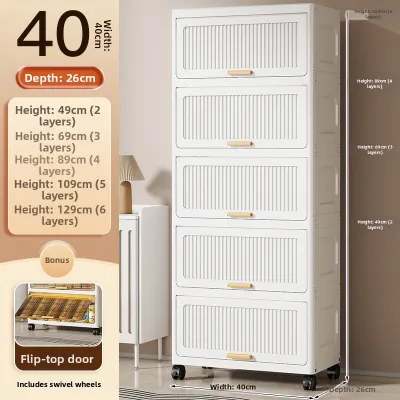
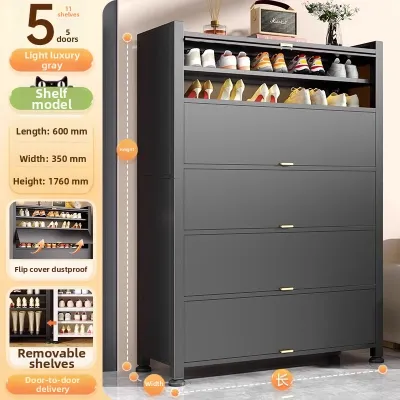


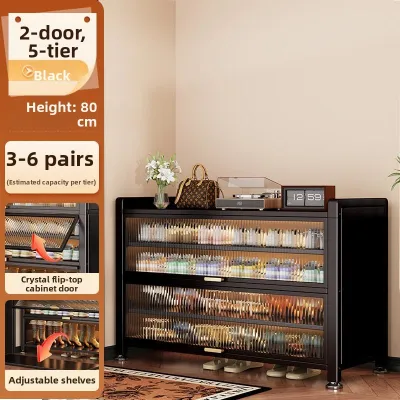
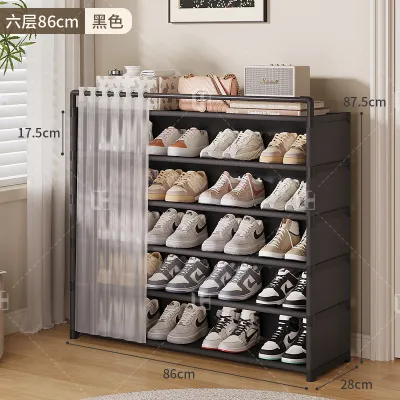
Prices are valid at publication and may change. Please refer to the product page for the latest price.
Next, locate and identify the load-bearing panels of your cabinet. In most free-standing and built-in wardrobes, the vertical side panels are the primary load-bearing structures where shelves, rods, and drawer runners must be anchored. Examine whether these panels have pre-drilled peg holes, which allow for easy shelf adjustment, or if they are solid surfaces that require manual drilling. Knowing the material composition of these panels—such as solid wood, plywood, or medium-density fiberboard (MDF)—is crucial because it dictates the type of hardware and fasteners you can safely use.
Once the measurements are secured, perform a thorough inventory check by emptying your wardrobe and sorting your clothing into distinct categories. Separate your garments into long-hanging items (such as full-length dresses, long coats, and traditional wear), short-hanging items (including button-down shirts, blouses, jackets, and folded trousers), bulky folded items (like heavy sweaters, denim, and hoodies), and small accessories (such as underwear, socks, belts, and scarves). In the Philippines, where lightweight cottons and linens dominate daily wear alongside occasional formal attire, categorizing by fabric weight helps you determine how much space to allocate for hanging versus folding.
This systematic sorting process prevents common installation errors, such as mounting a hanging rod too low for long dresses or installing shelves with gaps that are too wide for light t-shirts. By matching your sorted inventory directly to your cabinet’s physical dimensions, you can calculate the exact linear feet of hanging space and the number of shelves required. This preparation ensures that any hardware you purchase or adjust fits perfectly without overcrowding the cabinet or wasting vertical space.
Map Out Functional Zones for Easy Daily Access
A highly functional cabinet layout relies on ergonomic zoning, which places your most frequently used garments within easy reach while relegating seasonal or rarely worn items to the periphery. The most valuable real estate inside your wardrobe is the “Golden Zone,” which spans from your eye level down to your waist height. This zone should be reserved exclusively for daily wear, such as work uniforms, favorite shirts, and everyday trousers, allowing you to dress quickly in the morning without bending down or reaching overhead.

The upper zone of the cabinet, which requires a step stool or a high reach to access, is the ideal location for lightweight, seasonal, or rarely used items. This is where you should store travel bags, extra bedding, pillows, or heavy jackets reserved for cold-weather trips abroad. Storing lightweight items high up also minimizes safety risks, as retrieving a light fabric box from an overhead shelf is far safer than lifting a heavy storage container.
Conversely, the lower zone of the cabinet should be reserved for heavier items, shoes, or deep drawers. Placing heavy items like denim, shoes, or heavy-duty storage bins near the bottom of the wardrobe keeps the unit’s center of gravity low, which significantly improves the overall stability of the furniture. If you plan to install deep drawers for folded clothes, placing them in this lower-to-middle section ensures they are easy to pull open and look into without compromising the balance of the cabinet.
Finally, pay close attention to door clearance when mapping out these zones. Ensure that hanging garments are set back far enough from the front edge so they do not get pinched when doors are closed, and verify that sliding doors have enough clearance to glide smoothly past hanger shoulders. If you are using pull-out baskets or drawers, they must be positioned so they do not collide with opened door hinges or the overlapping frames of sliding doors.
Set Up Hanging Rods for Different Garment Lengths
To maximize hanging capacity, avoid the temptation to install a single rod across the entire width of the cabinet. Instead, implement the double-hang method, which is one of the most effective ways to reclaim wasted vertical space. By installing two parallel rods—one near the top of the cabinet and another roughly 100 to 105 centimeters below it—you can hang two tiers of short garments, such as shirts, blouses, skirts, and folded pants, effectively doubling your hanging capacity in that section.
For garments that cannot be folded over a hanger without wrinkling, dedicate a separate single-hang section. To determine the correct height for a single-hang rod, measure the longest dress, maxi skirt, or long coat in your inventory from the top of the hanger hook to the bottom hem, and then add a clearance buffer of 8 to 10 centimeters. This buffer ensures that your hemlines do not drag along the bottom panel of the cabinet, where they can collect dust or get caught in drawer runners.
When selecting hanging rods and support brackets, pay close attention to material specifications and weight limits. Heavy-duty steel or reinforced aluminum rods are highly recommended for wider spans, as they resist bending under load. Always check the manufacturer’s instructions for both the rod and the cabinet to verify the maximum weight capacity. If a rod span exceeds 90 centimeters, you should install a center support bracket to distribute the weight evenly and prevent the rod from bowing over time.
A critical safety boundary to keep in mind is the structural integrity of your cabinet’s side panels. Overloading a single hanging rod with heavy winter coats, dense denim, or thick traditional garments can exert immense outward or downward pressure on the mounting brackets. If these brackets are screwed into thin particleboard or MDF without proper reinforcement, the screws can easily strip the wood fibers and pull out, causing the entire rod to collapse. To prevent this, distribute heavy garments evenly across multiple rods or store them on shelves near the vertical supports.
Position Shelves and Drawers to Organize Folded Clothes
Adjustable shelving offers incredible flexibility, but only if you customize the shelf heights to match the specific thickness of your folded garments. Instead of accepting the standard, wide gaps that come pre-configured in many cabinets, adjust your shelf pins to create tighter vertical spacing. For lightweight cotton t-shirts, activewear, and thin summer blouses, a vertical gap of 20 to 25 centimeters is ideal, allowing you to stack four to six items neatly without the pile toppling over.
For bulkier items like denim, sweaters, or linen sheets, increase the shelf spacing to 30 or 35 centimeters. To keep these stacks organized and prevent them from leaning into adjacent piles, integrate adjustable shelf dividers. These simple vertical barriers keep your folded categories clearly separated, making it easy to pull a single pair of jeans from the bottom of a stack without disrupting the entire pile.
Drawers are highly effective for storing smaller, loose items that easily become disorganized on open shelves. Position your drawer units in the lower-to-middle section of the cabinet, ideally between knee and chest height, so you can easily view their contents from above. When storing items in drawers, avoid stacking them vertically; instead, use the “file folding” method to line up shirts, underwear, and socks horizontally, ensuring every single item is visible the moment you open the drawer.
To keep these drawers from turning into cluttered containers, use internal drawer dividers or small, shallow bins. Grouping socks, rolled belts, undergarments, and accessories into dedicated compartments prevents them from shifting or tangling when the drawer is opened and closed. This level of organization not only saves time during your morning routine but also ensures that smaller accessories do not slip behind the drawer runners and jam the mechanism.
Install Components and Verify Cabinet Stability
Installing internal hardware requires patience, precision, and the right tools to ensure everything remains level and secure. When mounting drawer runners, shelf pins, or rod brackets, always use a spirit level to verify that your markings are perfectly aligned across both side panels. Uneven drawer runners will cause drawers to slide open on their own or bind up, while unlevel hanging rods will cause hangers to slide to one side, concentrating all the weight in a single spot.
A paramount safety step when configuring any tall or heavy cabinet is anchoring the unit securely to the wall. This is especially critical if you are adding multiple drawers or storing heavy items on upper shelves, as fully extending several loaded drawers shifts the center of gravity forward, creating a severe tip-over hazard. Before loading your cabinet with clothes, check the manufacturer’s guidelines for anchoring, and use appropriate wall anchors and L-brackets designed for your specific wall type (such as concrete, drywall, or hollow block).
During the installation, always be prepared to stop and reassess if you encounter structural issues. If you notice that screws are stripping the internal wood, if the vertical side panels begin to split, or if the cabinet frame sways when you apply light pressure, do not proceed with the installation. These are clear signs that the material cannot support the hardware or that the unit is structurally compromised; in such cases, halt your work immediately and consult a professional carpenter or the cabinet manufacturer for guidance.
Once all components are installed, perform a thorough final verification check before loading your wardrobe. Test the smoothness of every drawer glide by pulling it out to its full extension, checking that it moves without resistance or grinding noises. Apply a gentle downward press on each hanging rod to verify that the brackets are firmly anchored and show no signs of pulling away from the side panels. Finally, close the cabinet doors to ensure they shut completely flush, with no hanging clothes or drawer fronts blocking the door alignment.
Manage Airflow and Moisture in Humid Climates
In tropical, high-humidity environments like the Philippines, managing internal airflow is just as important as maximizing physical space. Packing your clothes too tightly on rods or cramming them onto shelves restricts natural air circulation, which traps ambient moisture inside the fabric fibers. This stagnant, damp environment is a breeding ground for mold, mildew, and musty odors, which can permanently ruin delicate fabrics like silk, leather, and fine cotton.
To protect your wardrobe, leave intentional air gaps of at least one to two centimeters between hanging garments, and avoid stacking folded clothes all the way to the top of a shelf. If space permits, position your cabinet so that it is not pushed completely flush against an exterior wall; leaving a small gap of five to ten centimeters behind the cabinet allows air to circulate around the exterior frame, preventing moisture from seeping through the back panel.
You can also integrate moisture-control accessories directly into your cabinet’s internal layout. Place moisture-absorbing desiccant canisters or hanging dehumidifier bags in the corners of the cabinet—typically costing around ₱150 to ₱500 for a multi-pack—making sure to check and replace them regularly as they fill with water. Using ventilated shelf liners or wire baskets instead of solid wooden drawers can also improve airflow around folded garments. Additionally, natural cedar blocks or lavender sachets can be placed on shelves to repel insects and keep your clothes smelling fresh.
Finally, make it a habit to periodically reconfigure, clean, and air out your cabinet, particularly during the heavy rain of the monsoon season. On dry, sunny days, open the cabinet doors wide and run a fan or air conditioner in the room for a few hours to flush out trapped humidity. Regularly wiping down the interior panels with a dry microfiber cloth and inspecting the back corners for any signs of dampness will ensure your cabinet remains a safe, clean, and dry environment for your entire wardrobe.
Frequently Asked Questions (FAQ)
How much weight can a standard adjustable wardrobe shelf hold?
The weight capacity of an adjustable wardrobe shelf depends entirely on the shelf’s material, thickness, and the span between its supports. Generally, a standard 18-millimeter-thick shelf made of solid wood or high-quality plywood can support more weight than one made of standard particleboard or MDF, which is prone to sagging over time. For safety and to prevent structural failure, always check your specific cabinet manufacturer’s load specifications. To minimize the risk of bowing, place your heaviest items, such as heavy denim or storage bins, near the outer edges close to the vertical side supports rather than in the center of the shelf.
Should I use wooden or metal hanging rods for heavy clothes?
Both wooden and metal hanging rods have distinct structural characteristics, and the best choice depends on your wardrobe inventory and the span of the cabinet. Metal rods, particularly those made of thick-walled steel or reinforced aluminum, offer higher weight tolerance and are highly resistant to bowing over long spans, making them ideal for heavy jackets and dense clothing. Wooden rods can be highly aesthetic and work well for lighter garments or shorter spans, but they are more susceptible to bending under heavy loads. Regardless of the material you choose, the ultimate limiting factor is often the strength of the mounting brackets and the cabinet’s vertical side panels, so ensure your mounting hardware is heavy-duty and securely installed.
Community discussion
Share your experience or ask a question. Comments are reviewed before publication.