
Configuring your wardrobe efficiently requires dividing its interior into distinct physical zones tailored to standard garment sizes. Setting up a viva star cabinet with approximately 120 to 150 centimeters of vertical clearance for long formal wear, 25 to 35 centimeters of shelf height for folded casuals, and modular drawer inserts for small accessories maximizes the usable volume of your wardrobe. This systematic approach keeps your clothing organized, easily accessible, and free from unnecessary wear.
Optimizing your internal storage layout also helps protect your investments in clothing, especially when managing a mix of delicate formal wear, daily casuals, and seasonal items. By aligning the cabinet’s adjustable components with the specific dimensions of your wardrobe, you prevent overcrowding and maintain the structural integrity of the furniture.
Assessing Your Viva Star Cabinet's Internal Layout and Limits
Before moving any shelves or mounting brackets, you must evaluate the physical dimensions and structural boundaries of your cabinet. Use a metal measuring tape to record the exact interior height, width, and usable depth. Standard hangers require at least 50 to 55 centimeters of depth to hang freely; knowing these measurements prevents garments from rubbing against the back panel or blocking the front doors.
Products mentioned in this guide
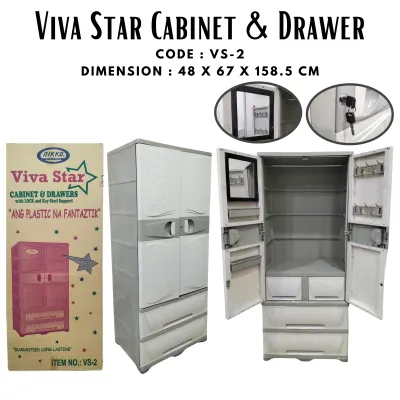
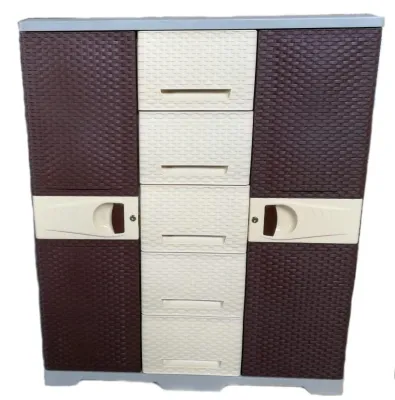
Prices are valid at publication and may change. Please refer to the product page for the latest price.
Next, examine the internal side panels to identify the pre-drilled holes. These holes dictate where you can position adjustable shelves and hanging rods. Take note of the spacing between these holes, as this determines the incremental adjustments you can make when customizing your layout.
Refer to the manufacturer’s manual to verify the maximum weight capacities for both the shelves and the hanging rods. Exceeding these weight limits can cause shelves to bow or brackets to fail, potentially damaging your clothing and the cabinet structure. If you no longer have the manual, look for official digital guidelines from the manufacturer to confirm these safe operating limits.
Stability is a critical factor when reconfiguring any tall furniture piece. Ensure your wardrobe is securely anchored to the wall according to the manufacturer’s assembly instructions before loading it with heavy items. An unanchored cabinet can become front-heavy and present a tip-over hazard, particularly when multiple drawers are pulled out simultaneously or heavy items are placed on upper levels.
Step-by-Step Configuration for Different Clothing Types
Creating an organized wardrobe relies on establishing dedicated zones for different categories of clothing. By grouping similar items together, you can customize the vertical and horizontal space to match the specific dimensions of your garments, ensuring no space is wasted.

Setting Up Hanging Zones for Formal and Long Garments
Formal wear, dresses, and long coats require uninterrupted vertical space to prevent deep creases and hem damage. Measure your longest garments from the hanger hook to the bottom hem; typically, full-length dresses and formal gowns require 120 to 150 centimeters of vertical clearance. Position your primary hanging rod at a height that allows these items to hang completely free of the cabinet floor or lower shelves.
For shorter hanging items, such as button-down shirts, blouses, and folded trousers, a vertical clearance of 90 to 100 centimeters is generally sufficient. If your cabinet height permits, installing a double-rod system—one rod positioned high and another positioned midway down—effectively doubles your hanging capacity for short garments.
When installing the hanging rods, ensure the metal brackets are screwed tightly into the pre-drilled holes. The rod must sit flush and secure within the brackets to prevent it from slipping or falling under the weight of heavy fabrics. Check that the brackets do not wobble before hanging any clothes.
To maximize horizontal space, use uniform, slim-profile hangers, such as velvet or thin plastic designs. These space-saving hangers allow you to fit more garments along the rod compared to thick wooden or tubular plastic alternatives. Reserve structured wooden hangers solely for heavy suits or coats that require specific shoulder support.
Place your most frequently worn formal and professional garments at eye level near the center of the hanging rod. This positioning allows you to quickly scan your options each morning without having to search through less common garments stored at the outer edges of the cabinet.
Arranging Shelves for Casual Wear and Folded Items
Adjustable shelves are ideal for storing casual wear, such as t-shirts, jeans, sweaters, and activewear. To maintain neat, manageable stacks, adjust your shelf heights to leave approximately 25 to 35 centimeters of clearance between each level. Stacking folded clothes higher than 30 centimeters often leads to unstable piles that topple over when you retrieve an item from the bottom.
When distributing weight across your shelves, always place heavier items on the lower levels. Thick denim, heavy cotton trousers, and winter knits should occupy the bottom shelves, while lightweight t-shirts, shorts, and activewear should go higher up. This arrangement keeps the cabinet’s center of gravity low, enhancing overall structural stability.
To prevent different categories of clothing from blending together, integrate acrylic shelf dividers or fabric storage bins. Dividers keep stacks of t-shirts separate from jeans, maintaining a tidy appearance even when items are pulled out in a hurry. Bins are particularly useful for containing soft, unstructured garments like athletic wear that do not stack neatly on their own.
Organizing Drawers and Compartments for Accessories
Drawers provide excellent concealed storage for smaller personal items, including undergarments, socks, belts, ties, and jewelry. Because these items are small, they can easily become disorganized and cluttered in a deep drawer without proper containment.
Install modular drawer organizers or adjustable grid dividers to segment the drawer space. Assigning a specific slot or compartment for each category—such as one row for rolled socks and another for folded undergarments—prevents items from shifting and tangling when the drawer is opened and closed.
Regularly inspect the drawer slides to ensure smooth, quiet operation. Overloading drawers with heavy items can strain the runners, causing them to stick, sag, or pull out of alignment. If a drawer does not slide smoothly, empty the contents immediately and check the tracks for debris or loose screws; never force a stuck drawer open or closed.
Protecting Your Clothes from Humidity and Moisture
In tropical environments like the Philippines, high humidity levels present a constant challenge for wardrobe maintenance. Excess moisture trapped inside a closed cabinet can lead to mold growth, mildew, and persistent musty odors that ruin delicate fabrics.
To combat humidity, avoid packing your hanging garments too tightly. Leave a gap of at least 2 to 3 centimeters between each hanger to allow air to circulate freely throughout the cabinet. Adequate airflow prevents stagnant, moist air pockets from forming around your clothes.
Place commercial moisture absorbers, silica gel packets, or activated charcoal bags on your shelves and inside drawers to capture excess airborne moisture. When using chemical moisture absorbers, ensure the containers or packets do not make direct contact with your clothing. Some moisture-absorbing chemicals can liquefy or leak, causing permanent chemical stains or physical damage to delicate fabrics like silk, wool, or lace.
Always ensure that your clothing is completely dry before storing it inside the cabinet. Putting away garments that are slightly damp from laundry or humid outdoor air traps moisture in the enclosed space, creating an ideal breeding ground for mold. If you live in an exceptionally humid area, consider opening your cabinet doors periodically during dry, sunny days to encourage fresh air exchange.
Safely Adjusting the Layout as Your Wardrobe Changes
Your storage needs will naturally evolve over time, requiring you to adjust the internal configuration of your cabinet. When altering the layout, prioritize safety to avoid personal injury or damage to the furniture panels.
Always empty the specific shelves, drawers, or hanging rods you plan to move before attempting any adjustments. Trying to reposition a shelf while it is still loaded with clothes is dangerous and can easily strip the pre-drilled support holes or cause the shelf to drop.
If a shelf peg or support bracket feels stuck in its hole, do not use excessive force or hammer it out, as this can crack the surrounding cabinet material. Gently wiggle the peg or use a pair of pliers with padded jaws to extract it safely. If the hardware feels permanently stuck or if you notice cracks forming in the support panels, stop immediately.
If you encounter structural issues, missing hardware, or if your desired configuration conflicts with the original assembly instructions, consult the manufacturer or a qualified furniture assembly professional. Using makeshift pegs or forcing components into unsupported positions can compromise the structural integrity of the entire cabinet.
Frequently Asked Questions (FAQ)
Can I install additional shelves in my Viva Star cabinet?
Yes, you can install additional shelves provided your cabinet has unused pre-drilled holes along the inner side panels to support them. Always use compatible shelf pegs that match the diameter of the existing holes to ensure a secure fit. To maintain structural integrity and safety, obtain official spare parts from the manufacturer rather than using improvised wooden or metal supports that could slip or damage the cabinet walls.
What is the best way to store seasonal or bulky items in the cabinet?
Bulky bedding, off-season garments, and heavy blankets are best stored in breathable fabric storage boxes or vacuum-sealed storage bags. Place these heavy, rarely accessed items on the highest shelves of your cabinet to keep daily-use areas clear. When doing so, always verify that the combined weight of these items does not exceed the manufacturer’s specified weight limit for the top shelf.
Community discussion
Share your experience or ask a question. Comments are reviewed before publication.