
Creating a dedicated reading corner in a compact living room does not require a sprawling armchair or an entire spare room. By utilizing a small stool or chair, you can transform an overlooked corner into a highly functional, cozy retreat. The key lies in selecting furniture with a minimal footprint, optimizing your layout for physical comfort, and maintaining clear pathways so your living area remains easy to navigate.
In a small home, every square meter must serve multiple purposes. A carefully planned reading nook offers a quiet escape for relaxation without disrupting the daily flow of your household. By focusing on smart spatial planning, appropriate lighting, and breathable materials suited for tropical living, you can establish a comfortable nook that feels integrated rather than cluttered.
Assess Your Living Room Layout for a Reading Nook
Before purchasing any furniture, map out the existing traffic patterns in your living room. Walk through the space to identify areas that naturally remain quiet and free from foot traffic. Dead corners, the narrow gap next to a window, or the space directly beside a sofa armrest are excellent candidates for a reading nook.
Products mentioned in this guide
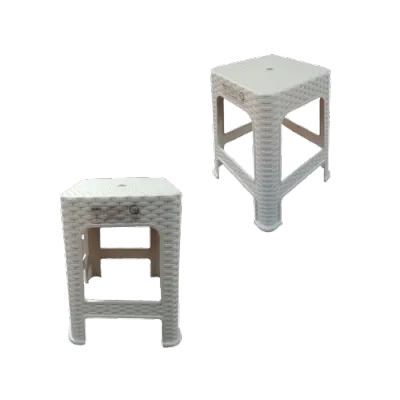
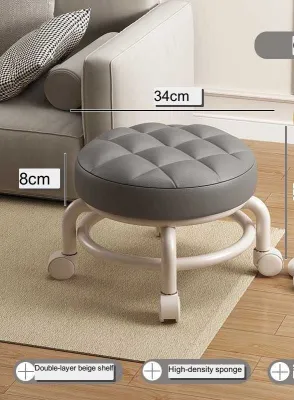
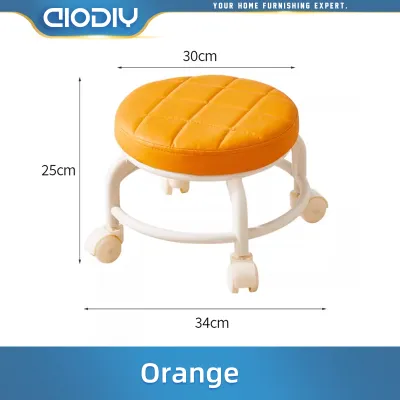
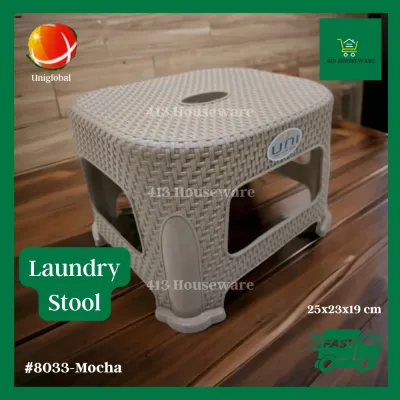
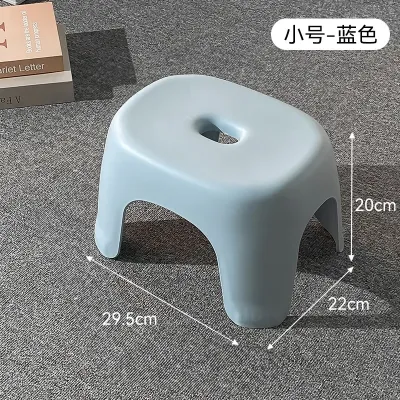
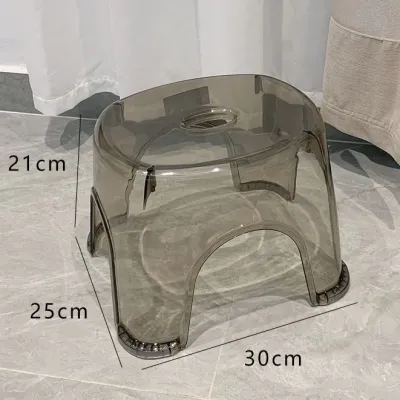
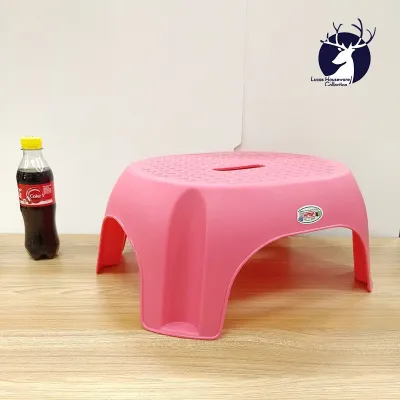
Prices are valid at publication and may change. Please refer to the product page for the latest price.
Take precise measurements of the potential nook area using a physical measuring tape. Note down the maximum width, depth, and height that the space can accommodate. It is crucial to measure not just the floor area, but also the clearance needed for nearby cabinet doors, room entryways, and window treatments to open fully.
In tropical climates like the Philippines, consider the placement of wall-mounted air conditioners, electric fans, and windows. Positioning your reading corner directly under an air conditioning unit might cause discomfort, while placing it too far from ventilation can make the space warm and stuffy. Ensure the chosen spot benefits from natural airflow or sits within the comfortable reach of a cooling fan.
Keep a buffer zone of at least 60 centimeters between your reading seat and major walkways. This ensures that anyone walking through the living room will not bump into your chair or disrupt your reading. Marking the proposed footprint on the floor with masking tape can help you visualize the physical space before making any commitments.
Select a Small Stool or Chair That Fits Your Space
Choosing the right seating requires balancing physical comfort with spatial limitations. A small stool chair offers incredible versatility for tight spaces. Backless stools can be tucked completely under a side table when not in use, making them excellent for ultra-compact rooms, though they lack support for long reading sessions.

If you prefer back support, look for a compact accent chair with a narrow frame and low-profile armrests. Armless designs or chairs with slender, exposed wooden or metal legs help maintain visual openness. When you can see the floor beneath a piece of furniture, the entire room feels larger and less congested.
Pay close attention to the seat height and depth. A seat height of 40 to 45 centimeters is standard for comfortable sitting, allowing your feet to rest flat on the floor. Ensure the depth of the seat supports your thighs without forcing you to slouch, which can cause discomfort during extended reading periods.
Material selection is vital for comfort and durability, especially in humid environments. Heavy upholstery fabrics like velvet can trap heat and moisture, potentially leading to mold or musty odors. Instead, opt for breathable materials such as rattan, woven cane, linen, or cotton canvas. If you choose an upholstered chair, verify if the cushion covers are removable and washable to simplify regular maintenance.
Consider the structural stability and load capacity of the chair or stool. Lightweight frames are easy to move, but they must remain sturdy when you sit down or stand up. Check the manufacturer’s specifications for weight limits and joint construction, prioritizing solid wood or reinforced metal frames over flimsy plastic alternatives.
Arrange Your Reading Nook for Comfort and Flow
Once you have selected your seating, position it to take full advantage of natural light. Placing your chair at an angle near a window allows you to read comfortably during the day without relying on artificial lighting. However, position the seat so that direct sunlight does not shine directly into your eyes or create excessive heat.
A functional reading corner requires a surface to hold a book, a cup of tea, or your glasses. If space is too tight for a traditional side table, use a flat-topped wooden stool or a small pedestal table. This secondary stool can double as a footrest when needed, providing excellent multi-functional utility in a compact layout.
To make the nook inviting, layer textiles thoughtfully without overwhelming the small space. A single, lightweight cotton throw blanket and a compact lumbar support cushion are usually sufficient. In warm tropical climates, heavy wool blankets are impractical; lightweight, breathable weaves add texture and comfort without trapping excess heat.
Ensure that the arrangement does not block access to power outlets or light switches. You should be able to plug in a phone charger or turn on a lamp without having to squeeze behind the chair. Keep all cables neatly routed along the baseboards to prevent tripping hazards in the main living area.
Add Task Lighting and Vertical Storage Without Clutter
Proper lighting is essential to prevent eye strain during evening reading sessions. In a small living room, bulky floor lamps with wide bases can take up too much valuable floor space. Instead, opt for wall-mounted swing-arm sconces or slim, minimalist floor lamps with a very small base footprint.
Clip-on reading lights are another highly efficient, space-saving option. These can be attached directly to the back of your chair, a nearby shelf, or even the book itself. If you choose a wall-mounted light, ensure it is installed at a height where the bulb is shielded from direct view when you are seated, preventing harsh glare.
To store your books without cluttering the floor, look upward and utilize vertical wall space. Install floating shelves directly above or adjacent to your reading chair. This keeps your current reads within arm’s reach while keeping the floor completely clear, which visually expands the room.
When installing shelves, verify the wall type and use the appropriate anchors to ensure they can safely support the weight of your books. A standard drywall or plasterboard wall requires different wall plugs than a solid concrete or brick wall. Keep the shelf height accessible from a seated position so you do not have to stand up to grab a book.
Implement clean cord management solutions to keep the area tidy and safe. Use adhesive cable clips or cable sleeves to run power cords flat against the wall or behind furniture legs. This prevents loose wires from tangling, collecting dust, or creating a safety hazard for household members walking nearby.
Verify Safety, Comfort, and Daily Usability
After setting up your reading corner, conduct a thorough safety and comfort check. Sit in the chair or stool for at least fifteen minutes to evaluate the support and comfort. Ensure the seat does not wobble and that the floor protectors on the legs prevent slipping on smooth tile or polished wood floors.
Walk through the living room normally to ensure the new setup does not impede daily movement. If you find yourself having to squeeze past the chair or step awkwardly around the side table, the arrangement needs adjustment. Even a minor shift of a few centimeters can significantly improve the room’s flow.
Observe the lighting conditions at different times of the day. Check for glare on your book pages caused by sunlight reflecting off nearby surfaces or poorly positioned lamps. Adjust your window blinds, sheer curtains, or the angle of your task light to create a soft, evenly distributed glow.
Live with the arrangement for a few days before finalizing the decor. You might find that you prefer the chair angled slightly differently, or that a smaller cushion provides better lower back support. Flexibility is key to refining a small space so that it remains practical and enjoyable for daily use.
Frequently Asked Questions (FAQ)
Can I use a storage stool instead of a regular chair?
Yes, a storage stool or ottoman is an excellent double-duty option for compact living rooms. It provides a place to sit while offering hidden storage inside for books, blankets, or electronic accessories. This helps keep the surrounding area tidy and free of visual clutter.
However, keep in mind that most storage stools lack back support, which may limit your comfort during long reading sessions. When choosing a storage stool, check the manufacturer’s weight capacity to ensure it is rated for sitting. Additionally, verify that the lid is sturdy, well-padded, and fits securely so it does not slide when you sit down.
How do I prevent a small reading corner from looking cluttered?
To keep your reading nook looking clean and spacious, limit decorative accessories and focus on functional items. Choose a single, high-quality cushion and one lightweight throw instead of piling on multiple textiles. Keep only your current reads on display, and store the rest of your book collection in a main bookcase or closed cabinet.
Maintain clear sightlines around the seating by choosing furniture with open bases or slender legs. Avoid placing large, solid objects directly next to the chair. Utilizing hidden storage, such as a small basket under the side table or a stool with a hollow compartment, allows you to tuck away items quickly and keep the space visually calm.
Community discussion
Share your experience or ask a question. Comments are reviewed before publication.