
When shopping for a steel wardrobe cabinet, you are investing in a highly durable, pest-proof, and moisture-resistant storage solution. However, not all steel cabinets are built to the same standard. To make an informed purchase, you must evaluate several critical features: precise spatial dimensions and delivery access, steel gauge thickness, rust-resistant surface treatments, internal layout flexibility, ventilation mechanisms, and robust hardware including locking systems and anti-tip safety anchors. Assessing these elements ensures your cabinet will withstand daily use and the challenging tropical humidity without warping, rusting, or failing prematurely.
Measure Your Space and Delivery Access First
Before browsing designs, you must establish the exact physical limits of your room. Unlike wood, which can sometimes be trimmed or slightly flexed during installation, a steel wardrobe cabinet is entirely rigid. Start by measuring the footprint of the intended installation area, including the maximum width, depth, and height. If you are choosing a model with swing doors, map out the door swing clearance to ensure they can open fully without hitting bed frames, side tables, or light fixtures. For tight spaces, sliding door models are often more practical, though they require a deeper overall frame to accommodate the track system.
Next, trace the delivery route from your property’s entrance to the final room. Measure the width and height of every doorway, hallway corner, stairwell, and elevator door. Steel wardrobes are frequently delivered fully assembled or in large, heavy flat-packs that cannot bend around sharp corners. A cabinet that fits perfectly in your bedroom is of no use if it cannot clear the landing of your staircase or fit inside your building’s service elevator.
Products mentioned in this guide
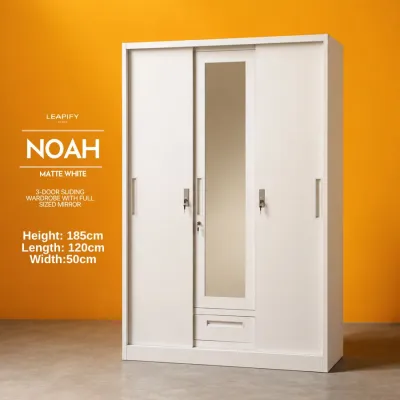
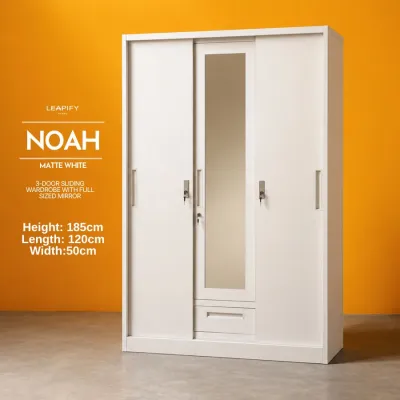
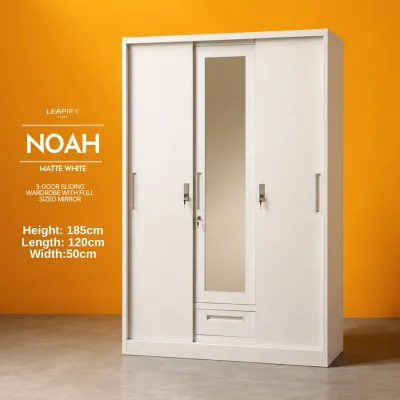
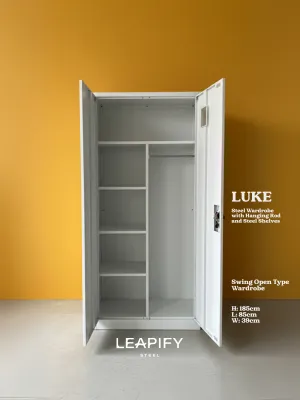
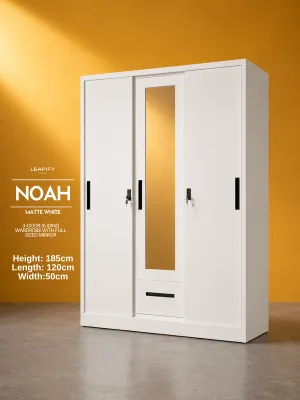
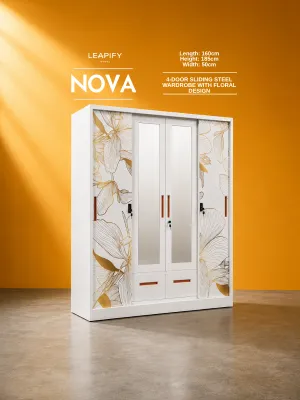
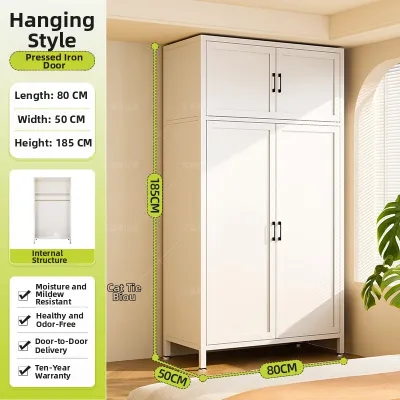
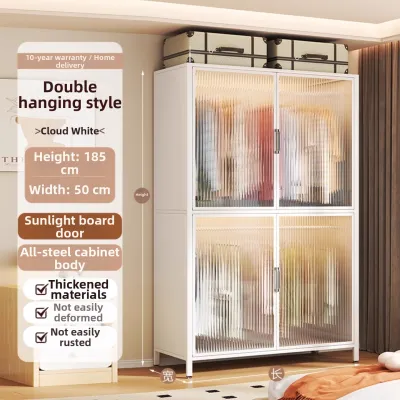
Prices are valid at publication and may change. Please refer to the product page for the latest price.
Finally, inspect the floor levelness where the cabinet will stand. Many floors, especially in older buildings or tiled spaces, have slight slopes or uneven surfaces. Because steel frames do not flex, placing a heavy steel wardrobe on an uneven floor can twist the entire structure. This twisting puts stress on the frame, causes the doors to misalign, and prevents locking mechanisms from engaging smoothly. If your floor is uneven, look for cabinets equipped with adjustable leveling feet, or plan to use sturdy, non-slip shims to stabilize the unit.
Verify Steel Gauge and Rust-Resistant Finishes
The durability of a steel wardrobe cabinet depends heavily on the quality and thickness of the metal used. Steel thickness is measured by “gauge,” where a lower number represents thicker, stronger steel. For reliable residential use, look for cabinets constructed with 18-gauge to 22-gauge steel. Panels made from thinner steel (such as 24-gauge or higher) are highly susceptible to denting, flexing under weight, and warping over time. Thicker steel ensures that the cabinet remains structurally sound, even when fully loaded with heavy wear, bedding, or storage boxes.

In a tropical climate, high humidity and coastal salt air pose a constant threat of corrosion. Therefore, the surface treatment of the steel is just as important as its thickness. Avoid basic wet-painted steel, which chips easily and exposes the underlying metal to moisture. Instead, prioritize electrostatic powder-coated or galvanized finishes. Powder coating involves applying a dry plastic powder that is baked under high heat to form a hard, continuous, and protective barrier. This finish is highly resistant to scratches, impact, and moisture penetration.
During your inspection, pay close attention to the vulnerable areas of the cabinet. Examine the edges, corners, back panels, and welded joints. These spots are where the coating is thinnest or most likely to crack. Ensure there are no exposed raw metal edges, bubbling paint, or pinholes in the finish, as these are the exact points where rust will first take hold.
To maintain the protective finish over its lifespan, always review the manufacturer’s care instructions. High-quality powder-coated steel generally requires only a soft cloth dampened with mild soapy water. Avoid using harsh chemical cleaners, abrasive scrubbing pads, or solvent-based solutions, as these can degrade the protective layer, strip the finish, and void the manufacturer’s rust warranty.
Assess the Internal Layout and Ventilation
A wardrobe’s exterior strength is secondary if the interior does not accommodate your daily storage needs. Begin by evaluating the hanging space. Check the hanging rod’s material, thickness, and mounting brackets. A thin, hollow metal rod or a plastic rod will bow or collapse under the weight of heavy garments. Look for a heavy-duty steel rod securely anchored to the cabinet frame. Verify the vertical clearance below the rod; it should offer enough height to hang long dresses, trousers, or coats without them bunching up at the bottom.
Next, assess the flexibility of the shelving system. Fixed shelves limit your storage options, whereas adjustable shelves allow you to customize the interior layout as your needs change. Check how the shelves are supported—sturdy metal clips or heavy-duty slots are far more reliable than thin plastic pegs. If you plan to store heavy items like luggage, storage bins, or books, check the manufacturer’s specified load capacity per shelf to prevent bending.
Drawers and specialized compartments add significant organizational value. Test the drawer slides to ensure they operate smoothly without sticking or derailing. High-quality drawers utilize ball-bearing slides that glide effortlessly even when fully loaded. If you plan to store confidential documents, cash, or jewelry, look for drawers that feature independent built-in locks, providing an extra layer of security within the wardrobe.
Because steel is non-porous, it does not naturally breathe. In humid environments, trapped air can lead to condensation, mold growth, and musty odors on your clothing. To prevent this, check the cabinet for built-in ventilation features. Look for doors with louvered slats, perforated patterns, or dedicated ventilation grates on the back or side panels. These openings encourage constant airflow, keeping your clothes fresh and dry.
Test the Hardware, Locks, and Anti-Tip Safety
The moving parts of a steel wardrobe cabinet are the most prone to wear and tear, making hardware quality a top priority. Start by testing the door hinges or sliding tracks. For swing doors, open and close them multiple times to check for squeaks, resistance, or misalignment. High-quality hinges should hold the doors firmly in place without sagging. If the cabinet has sliding doors, ensure the rollers glide smoothly along the tracks without jumping out of the grooves. Metal tracks are generally more durable and smoother over time than plastic alternatives.
Security is a primary reason many homeowners choose steel over wood. Evaluate the locking mechanism thoroughly. Many steel wardrobes feature a three-point locking system, which secures the door at the top, bottom, and center with a single turn of the key. Test the lock to ensure the rods engage smoothly into the frame without requiring forced alignment. If you prefer using your own padlocks, look for units equipped with heavy-duty padlock hasps.
Safety is another critical factor, particularly for tall, heavy furniture. A fully loaded steel wardrobe presents a significant tip-over hazard if it is pulled forward or subjected to seismic activity. Check if the cabinet includes an anti-tip kit or dedicated wall-anchoring brackets. For safety, tall units should always be anchored securely to the wall. In typical homes with concrete or masonry walls, this requires drilling and using masonry wall plugs (tox screws) to secure the brackets.
Lastly, inspect the ergonomics of the handles. They should be securely bolted to the doors rather than glued or held by flimsy screws. Run your fingers along the edges of the handles and the surrounding steel to ensure there are no sharp burrs, rough welds, or unfinished metal edges that could cause cuts or snag your clothing.
Check Assembly Logistics and Warranty Coverage
Purchasing a steel wardrobe cabinet involves significant logistical coordination. First, determine whether the cabinet is delivered fully assembled or flat-packed. Flat-packed steel cabinets are easier to transport through tight spaces and narrow doorways, but they require careful assembly. Check what tools are needed and whether the manufacturer provides clear, step-by-step instructions. If you choose self-assembly, ensure you have a helper, as holding heavy steel panels in place while securing screws can be difficult and dangerous for one person.
Keep in mind that steel is exceptionally heavy. A standard double-door steel wardrobe can easily weigh between 50 to 80 kilograms or more. Moving such an item requires proper lifting techniques and multiple people to prevent personal injury or damage to your flooring. When positioning the cabinet, avoid dragging it across tiled, wooden, or vinyl floors, as the heavy steel edges can cause deep, permanent scratches. Use furniture sliders or lift the cabinet completely.
Before finalizing your purchase, read the warranty terms carefully. A reputable manufacturer should offer a warranty that covers structural defects, premature rust, and hardware failures under normal use conditions. Be aware of exclusions; many warranties are voided if the cabinet is placed in an outdoor area, exposed to direct rain, or cleaned with abrasive chemicals.
Finally, confirm the long-term availability of replacement parts. Over years of daily use, keys can get lost, hinges may wear down, or shelf clips might be misplaced. Choosing a brand that offers readily available spare parts ensures that a minor issue does not render your entire wardrobe cabinet unusable.
Frequently Asked Questions (FAQ)
Can I place a steel wardrobe cabinet directly against an exterior wall?
Placing a steel cabinet directly against an exterior wall is not recommended, especially in humid or tropical climates. Exterior walls experience temperature fluctuations that can cause condensation to form on the cold steel back panel. This trapped moisture can damage your clothes and eventually lead to rust. To prevent this, leave a gap of at least 5 to 10 centimeters between the cabinet and the wall to allow for proper air circulation. Alternatively, you can apply a moisture barrier to the wall. Always consult the manufacturer’s placement guidelines, as improper positioning that leads to water damage may void your rust warranty.
How do I remove minor surface rust from a steel cabinet?
If you notice minor surface rust, you can treat it using gentle, low-risk steps. First, check your warranty terms, as self-treatment might void active coverage. If safe to proceed, gently scrub the affected area with a soft-bristled brush or a mild abrasive pad dipped in a mixture of white vinegar and water to dissolve the rust. Once the rust is removed, clean the area thoroughly with fresh water and dry it completely with a clean towel. Apply a rust-inhibiting primer followed by a matching touch-up paint recommended by the manufacturer to seal the metal. If the rust has penetrated deeply or compromised the structural integrity of the frame, stop immediately and consult a professional repair service.
Are steel wardrobes noisy when closing the doors?
Older or low-quality steel cabinets can make a loud, metallic clanging sound when closed. However, modern steel wardrobe cabinets are designed with noise-dampening features. When inspecting a cabinet, check for rubber bumpers, felt pads, or magnetic catches along the door frames that cushion the impact and quiet the closure. If your cabinet doors slam or rattle, you can easily install aftermarket adhesive silicone bumpers or adjust the door hinges to ensure proper alignment and a quieter close.
Community discussion
Share your experience or ask a question. Comments are reviewed before publication.