
A foam banig combines the traditional, breathable cooling of a woven mat with the cushioned support of modern polyurethane foam, making it an excellent bedding choice for tropical climates. However, shopping for these mats during sales events requires a careful eye, as steep discounts can sometimes mask low-quality materials that sag or trap heat. Finding a genuine deal means looking past the promotional banners and focusing on verifiable specifications, construction details, and seller terms.
By taking a systematic approach to your purchase, you can secure a durable, comfortable sleeping surface that fits your budget and withstands daily wear. This guide provides a structured path to setting your budget priorities, verifying foam and cover specifications, and avoiding common discount traps so you can make an informed decision.
Setting Your Baseline: Must-Haves vs. Compromises
Before browsing online marketplaces or local furniture stores, you must define how you plan to use the foam banig. A mat intended for daily sleep on a hard floor requires different specifications than one used occasionally for guests or afternoon naps. For daily use, prioritizing a thicker, more supportive foam core is essential to prevent your body from bottoming out against the floor. If the mat is primarily for quick storage or travel, a thinner, highly flexible model may be a more practical choice.
Products mentioned in this guide
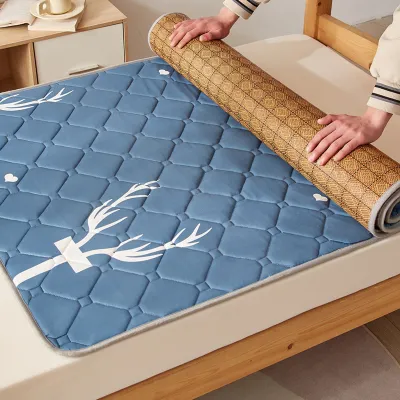
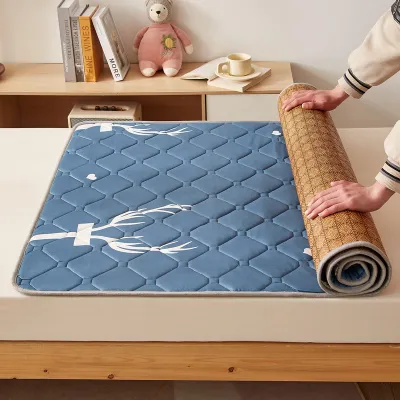
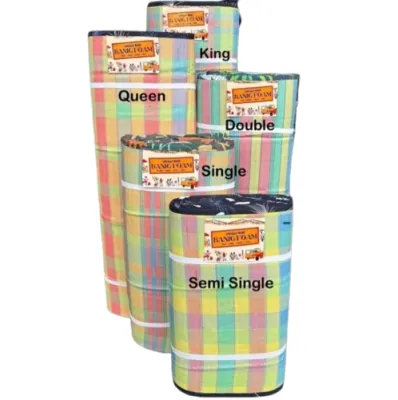


Prices are valid at publication and may change. Please refer to the product page for the latest price.
Distinguishing between essential features and optional extras will help you avoid overpaying during a sale. Essential features include a highly breathable woven cover that promotes airflow, sturdy edge binding to prevent fraying, and secure folding seams. On the other hand, decorative patterns, custom carrying cases, or matching pillows are nice-to-have additions that should not dictate your final decision. Focusing on the core structural elements ensures your money goes toward comfort and longevity rather than superficial accessories.
Finally, establish a firm maximum budget in ₱ before you start shopping. When setting this limit, remember to account for potential shipping fees, which can be substantial for bulky items like mattresses and foldable mats. For example, if your total budget is ₱2,500, you might want to target products priced at ₱2,000 or below to leave a safe margin for delivery costs. Having a clear financial boundary prevents impulse buys driven by artificial countdown timers or misleading “limited-time” discounts.
Verifying Foam and Cover Quality Before You Buy
Evaluating a foam banig online can be challenging because you cannot physically test the materials. To overcome this, look past generic marketing phrases like “orthopedic support” or “premium comfort” and search for concrete specifications. Check the product description for the exact foam thickness, usually measured in inches or centimeters, and look for mentions of foam density. High-density foam offers better structural support and resists sagging over time, whereas low-density foam may feel soft initially but will flatten quickly under regular body weight.

The outer cover of the banig is just as important as the foam inside, especially in warm, humid environments. Examine whether the woven layer is made from natural materials, like traditional buri or pandan leaves, or synthetic polymers like polypropylene. Natural fibers generally offer superior breathability and a classic texture, but they require careful maintenance to prevent mold. Synthetic woven covers are often easier to wipe clean and resist moisture better, but they can sometimes retain more body heat. Additionally, check the product photos or specifications for an anti-slip backing to keep the mat secure on smooth tile or wooden floors, and look for reinforced, double-stitched borders that protect the edges from fraying.
Foldable designs are highly convenient, but the folding joints can be a weak point if not constructed properly. Inspect the product images to see how the mat folds. A well-designed foldable banig should have clean, reinforced seams that allow the segments to align tightly when unfolded, preventing uncomfortable gaps under your back or hips. Avoid designs where the foam is completely severed into loose blocks held together only by a thin fabric cover, as these blocks can shift during the night and disrupt your sleep.
Spotting Genuine Deals and Avoiding Discount Traps
Sales promotions can easily distort your perception of value, making a mediocre product seem like an irresistible bargain. To protect yourself, compare the baseline prices of similar foam banigs across multiple online marketplaces and official brand websites. Some sellers artificially inflate the “original” price right before a sale to make the discount percentage look much larger than it actually is. Tracking the average price of your preferred mat size over a few weeks will help you identify true markdowns.
Customer reviews and seller ratings are invaluable tools for verifying quality, but they must be read critically. Filter the reviews to look at recent feedback and pay close attention to user-submitted photos and videos. Look for specific mentions of how the foam behaves after several weeks of use; complaints about rapid sagging, tearing seams, or a strong chemical smell are clear red flags. Be skeptical of highly repetitive, overly positive reviews that lack detail, and focus instead on balanced feedback that describes the actual sleeping experience.
Before clicking the checkout button, carefully review the seller’s return policies, trial periods, and warranty terms. Many discounted, clearance, or final-sale items are sold “as-is” and may not be eligible for returns or exchanges if you find the mat uncomfortable or defective. A reputable manufacturer or seller will typically offer a clear, written warranty against foam sagging or manufacturing defects, even during promotional events. If a seller does not provide clear return instructions or refuses to honor basic consumer protections on sale items, it is usually safer to look elsewhere.
Pre-Checkout Checklist: Space, Care, and Hidden Costs
Before finalizing your purchase, take a few minutes to measure your sleeping area. Ensure you have enough floor clearance to fully unfold the banig without hitting heavy furniture, doors, or walls. If you plan to place the mat on an existing bed frame, measure the frame’s inner dimensions carefully, as standard banig sizes can sometimes differ slightly from standard mattress sizes. Additionally, measure your designated storage space—such as under a bed or inside a closet—to confirm the folded mat will fit comfortably when not in use.
Maintaining your foam banig in a humid climate requires regular care, so you must verify the cleaning instructions before buying. Check if the woven cover is removable and machine-washable, or if it must be spot-cleaned by hand. Because high humidity can encourage mold growth, the mat should be easy to wipe down and air-dry. Avoid products that require specialized, expensive cleaning solutions or those that cannot tolerate gentle moisture, as they may become difficult to keep hygienic over time.
Finally, calculate the total cost of the transaction at the checkout screen before entering your payment details. The initial discount price can sometimes be offset by high shipping rates due to the item’s bulk, or by added taxes and handling fees. If the mat does not come with a protective cover or a non-slip base, you may need to purchase these accessories separately, which adds to your overall investment. Comparing the total, all-inclusive price against your initial budget ensures you are getting a genuine deal without any hidden financial surprises.
Frequently Asked Questions (FAQ)
Can I wash a foam banig in a washing machine?
No, you should not put a foam banig in a washing machine. Submerging the polyurethane foam core in water and subjecting it to the aggressive agitation of a washing machine will break down its cellular structure, causing the foam to lose its shape and support. Furthermore, trapped water inside the foam is extremely difficult to dry completely, creating an ideal environment for mold, mildew, and unpleasant odors. Instead, spot-clean the woven surface with a damp cloth and mild soap, then allow the mat to air-dry completely in a well-ventilated, shaded area.
Is a thicker foam banig always more comfortable?
Not necessarily. While a thicker mat provides more distance between your body and the floor, comfort depends heavily on the density of the foam rather than thickness alone. A thin, high-density foam banig can offer excellent support and prevent your hips and shoulders from pressing against the hard floor. Conversely, a thicker mat made of low-density, soft foam may compress completely under your weight, offering very little actual support. Choose a thickness and density that match your body weight and preferred sleeping position.
How do I store a foldable foam banig to prevent mold?
To prevent mold growth, always ensure the foam banig is completely dry before folding and storing it. In humid climates, even slight moisture from sweat or humidity can trap fungal spores inside the folded layers. Store the mat in a cool, dry, and well-ventilated area, preferably off the floor to avoid rising dampness. Avoid wrapping or sealing the banig in airtight plastic bags, as these trap moisture and accelerate mold development; instead, use a breathable fabric storage bag or dust cover that allows air to circulate freely.
Community discussion
Share your experience or ask a question. Comments are reviewed before publication.