
Shopping for home furniture online has become highly accessible in the Philippines, especially during massive double-day campaigns (such as 11.11 or 12.12) and mid-month Payday sales. However, finding a genuine kabinet for clothes sale requires more than just clicking the first heavily discounted item on your feed. Many deals that look incredible at first glance are actually carefully designed pricing strategies. To secure a high-quality wardrobe that will survive the local humidity and daily wear, you must learn to separate real discounts from marketing illusions.
The convenience of door-to-door delivery makes online shopping highly attractive, but large furniture items present unique risks. Unlike small gadgets or clothing, a wardrobe is a major structural addition to your bedroom that requires significant effort to transport, assemble, and position. Making a hasty purchase based solely on a flashy banner can result in a flimsy product that sags within months. By understanding the mechanics of online sales and knowing exactly what technical specifications to verify, you can make an informed decision that balances cost and durability.
Spotting Inflated Prices and Fake Discounts During Major Sales
One of the most prevalent tactics used by online sellers during major promotional campaigns is the “raise-then-drop” pricing strategy. Weeks before a major event like 11.11 or a payday sale, some merchants artificially inflate the “original” list price of their items. When the sale goes live, they apply a massive discount percentage that brings the price back down to its standard retail level—or sometimes even slightly higher. This creates a false sense of urgency, leading buyers to believe they are securing a rare, limited-time bargain.
Products mentioned in this guide
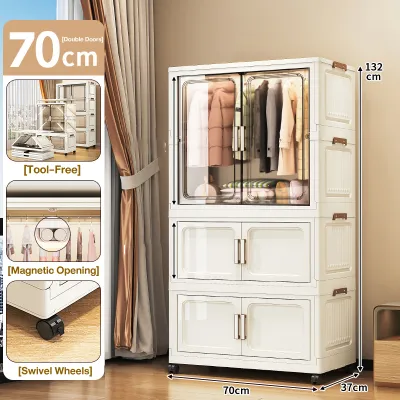
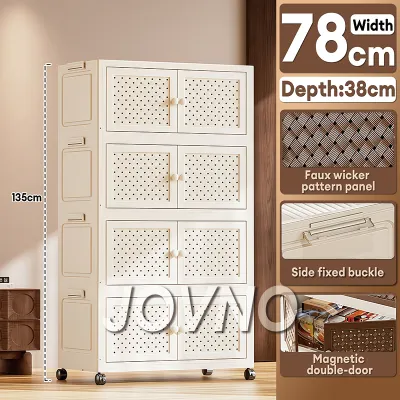
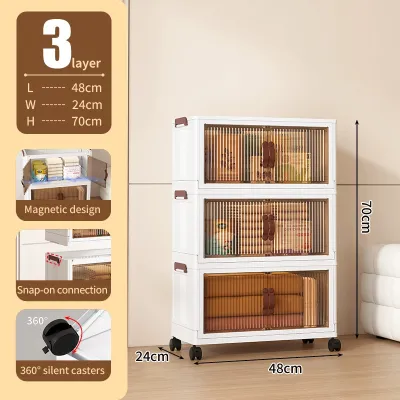
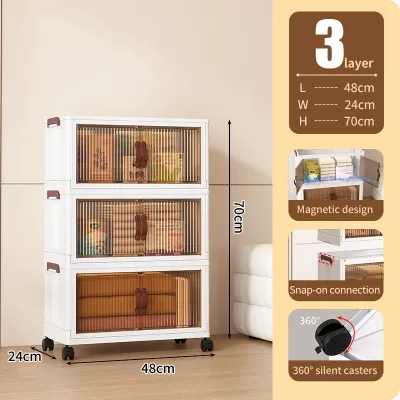
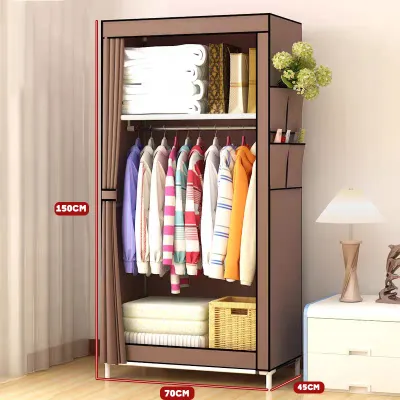
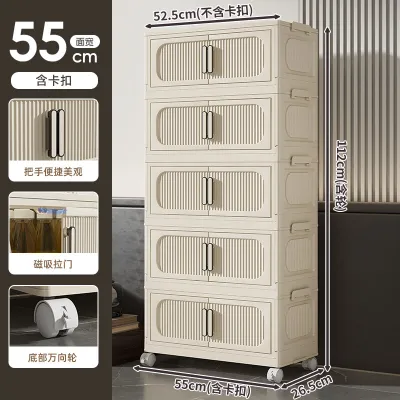
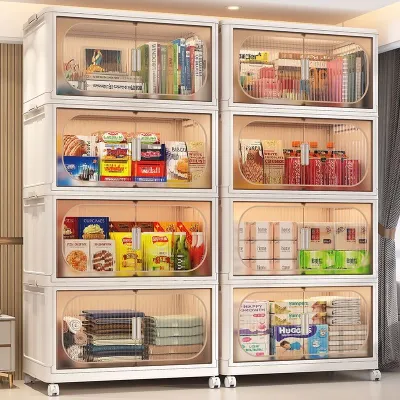
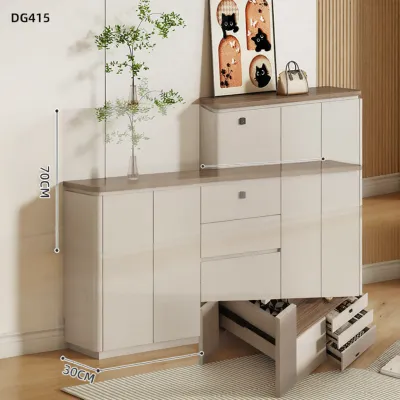
Prices are valid at publication and may change. Please refer to the product page for the latest price.
To protect your budget from these artificial discounts, you should utilize price-tracking tools and historical price charts. Several browser extensions and independent websites track the price history of items on major e-commerce platforms in Southeast Asia. These tools allow you to see the exact price fluctuations of a wardrobe over the past three to six months. If you observe a sudden price spike just a week before a major campaign, you can be certain that the upcoming “discount” is merely a return to the item’s baseline price.
If you are shopping via a mobile app where browser extensions are difficult to use, a manual tracking method is highly effective. Start building your wishlist at least four to six weeks before the scheduled sale event. Take regular screenshots of the wardrobes you are interested in, making sure to capture both the listed price and any active shop vouchers. This manual log establishes an undeniable baseline, allowing you to quickly verify whether the campaign-day price offers a genuine markdown.
Ultimately, the slashed “original” price displayed on a product listing is an arbitrary number that carries no real-world value. A listing that claims a wardrobe is marked down from ₱15,000 to ₱4,500 is meaningless if the item has never actually been sold at the higher price. Your primary focus must always be the final checkout price—the actual amount of money that will leave your bank account or digital wallet once all discounts are applied.
To gauge the true market value of a discounted wardrobe, compare the final checkout price against similar models from established local furniture retailers or official brand flagship stores. If a reputable local brand sells a similar engineered wood wardrobe for ₱6,000, a marketplace listing claiming a “sale price” of ₱5,500 down from ₱18,000 is not a miracle deal; it is simply a standard market rate packaged as a massive discount.
Prioritizing Must-Have Features When Shopping for a Kabinet for Clothes Sale
When shopping on a budget, you will inevitably need to make compromises, but certain structural features are absolutely non-negotiable. The primary structural components—such as the load-bearing side panels, the bottom plinth, and the hanging rods—must be robust enough to handle daily use. A wardrobe that wobbles when touched or has a hanging rod that bows under the weight of a few jackets will quickly become a safety hazard and require premature replacement.

Before committing to any purchase, you must strictly verify the physical dimensions of the wardrobe against your available room space. Use a physical tape measure to map out the height, width, and depth of the designated spot in your bedroom, leaving enough clearance for swinging doors or drawer extensions. Equally important is verifying the delivery path: measure your doorway widths, hallway corners, and stairway or elevator clearances. Many buyers in high-rise condominiums or traditional multi-story Filipino homes discover too late that a flat-pack box or pre-assembled cabinet cannot clear a tight stairwell turn.
To keep costs low without sacrificing usability, look for smart design compromises that do not affect structural integrity. Opting for high-quality engineered wood, such as melamine-faced chipboard or medium-density fiberboard (MDF), is a highly practical alternative to expensive solid wood. When evaluating engineered wood, focus your attention on the quality of the edge banding and surface finish rather than the raw material name alone. A well-sealed melamine finish provides excellent resistance to light scratches and surface moisture at a fraction of the cost of solid timber.
Another area where you can easily save money is the hardware styling and interior layout. Choosing simple, minimalist plastic or aluminum handles instead of heavy, decorative metal hardware can lower the manufacturing cost without affecting the wardrobe’s performance. Similarly, opting for a wardrobe with fixed internal shelving rather than fully adjustable modular systems reduces the complexity of the pre-drilled holes and hardware, resulting in a more affordable retail price.
However, you must draw a firm line when it comes to the quality of moving parts and joints. Never sacrifice the quality of door hinges, drawer slides, or structural corner joints just to acquire aesthetic add-ons like mirrored doors, decorative glass panels, or integrated LED lighting. A wardrobe with beautiful mirrored doors is useless if the budget-grade hinges sag under the mirror’s weight, preventing the doors from closing properly. Allocate your budget toward sturdy metal hinges and steel drawer slides first, and treat cosmetic features as secondary bonuses.
Evaluating Build Quality from Online Listings and Customer Reviews
Buying furniture online means you cannot physically shake the frame, test the drawers, or feel the weight of the panels before paying. To compensate for this lack of tactile feedback, you must become an expert at analyzing customer reviews and product listings. Do not rely on the overall star rating alone, as high ratings can be skewed by buyers who rate the store five stars simply because the delivery rider was polite or the package arrived quickly, without actually assembling or using the furniture.
Instead, filter the reviews to show only those that contain user-uploaded photos and videos, and pay close attention to the negative or neutral feedback. Look at the real-life photos of assembled wardrobes to check for common structural defects. Look for sagging horizontal shelves under moderate loads, misaligned sliding doors that leave gaps, peeling edge banding along the corners, or cracked panels caused by poor transit packaging. These visual clues tell you far more about the product’s actual durability than any polished promotional image provided by the seller.
Examine the technical specifications in the product description for detailed hardware descriptions. Reliable listings will explicitly state the use of “steel ball-bearing drawer slides” or “adjustable metal hinges.” If a listing relies entirely on vague marketing terms like “premium heavy-duty hardware” or “unbreakable construction” without specifying the actual materials used, you should treat it with caution.
Seller reliability is another critical factor when purchasing large, heavy items that must travel through third-party logistics networks. Check the seller’s overall store rating, their response rate to customer inquiries, and their specific policies regarding transit damage and missing parts. Flat-pack furniture is highly susceptible to corner damage, chipped surfaces, and missing hardware packs during long-distance shipping across provinces. A reputable seller should have a clear, documented process for shipping replacement parts or panels immediately without requiring you to return the entire bulky package.
Finally, remember that material names printed in bold letters do not automatically guarantee a durable product. Always check the detailed specification sheet or ask the seller directly for the exact thickness of the main panels. For a stable wardrobe, the main load-bearing side and top panels should ideally be at least 15mm to 18mm thick, while the back panel should be securely slotted rather than simply tacked on with thin nails. Additionally, verify that all visible and semi-hidden edges are completely sealed with PVC or ABS edge banding to protect the inner core from environmental exposure.
Calculating the True Landed Cost Before You Checkout
The price you see on the search results page is rarely the actual amount you will pay at checkout. For bulky items like wardrobes, shipping and handling fees can be exceptionally high and can easily wipe out any discount you managed to secure. Before getting excited about a low listing price, check if the shipping fee is calculated based on volumetric weight, which often happens with heavy furniture. If you live in a provincial area or outside major metropolitan hubs in the Philippines, these shipping surcharges can sometimes equal or exceed the cost of the wardrobe itself.
You must also account for the physical effort and cost of assembly. Most affordable wardrobes sold online arrive as flat-pack furniture containing dozens of panels and hundreds of screws. Review the listing to see if the package includes clear, localized DIY assembly instructions and the necessary basic tools, such as an Allen key. If you do not own a basic toolkit or do not have the time and physical strength to assemble a heavy cabinet, you will need to factor in the cost of hiring a local handyman or paying for the seller’s optional professional assembly service.
Stacking vouchers is the key to unlocking genuine savings on major online marketplaces, but it requires a strategic approach. Learn how to combine different types of discounts: use a platform-wide campaign voucher, a store-specific follower coupon, a payment partner discount (such as from a specific digital wallet or credit card promotion), and your accumulated platform coins. However, be vigilant against conditional spending traps. If a voucher requires you to spend an extra ₱2,000 to save ₱200, do not buy unnecessary items just to unlock the discount; this is a common trap that leads to overspending.
Before you tap the final checkout button, perform a comprehensive mental calculation of the true landed cost. Add the base price of the wardrobe, subtract all verified and stacked vouchers, add the exact shipping fee to your doorstep, and add any estimated assembly costs or tool purchases. Compare this final, all-inclusive figure against your initial budget and the prices of pre-assembled options at local physical stores. Only when this total landed cost represents a genuine saving should you proceed with the purchase.
Frequently Asked Questions (FAQ)
Is it safer to buy a flat-pack wardrobe online or in a physical store during sales?
Buying a flat-pack wardrobe online during major sales events typically offers a wider selection of modern designs and significantly lower prices due to reduced retail overheads. However, this convenience comes with a higher risk of transit damage, missing hardware, and the logistical hassle of coordinating returns for bulky packages. In contrast, physical furniture stores allow you to physically inspect the thickness of the boards, test the smoothness of the drawer slides, and verify structural stability in person before spending any money, though their sale inventory and design options may be more limited. Ultimately, buying online is a highly viable and cost-effective option provided you buy from a verified seller with a robust return policy, and you are prepared to thoroughly inspect the package for damage immediately upon delivery.
How can I protect an engineered wood wardrobe from humidity and mold?
No furniture material is completely immune to environmental moisture, and engineered wood is particularly sensitive to high humidity if left unprotected. To safeguard your wardrobe in a tropical climate, begin by inspecting the unit upon delivery to ensure that all edge banding is fully intact, as exposed raw edges are the primary entry points for atmospheric moisture. When positioning the wardrobe, avoid placing it directly flush against exterior concrete walls, which can sweat and transfer dampness during the heavy rainy season; instead, leave a gap of at least two to three inches to allow for continuous airflow. Finally, maintain a healthy indoor environment by ensuring adequate room ventilation, using hanging or disposable calcium chloride moisture absorbers inside the wardrobe compartments, and occasionally leaving the wardrobe doors open during dry, sunny days to let the interior air out.
Community discussion
Share your experience or ask a question. Comments are reviewed before publication.