
Finding the right microwave storage cabinet in the Philippines requires balancing space efficiency, appliance safety, and material durability against tropical humidity. In many local households, the kitchen is a high-traffic zone where cooking steam, heat, and limited counter space collide. A dedicated storage cabinet not only frees up valuable counter space for meal preparation but also organizes pantry staples, rice cookers, and small kitchen appliances in one centralized hub. To choose the best unit for your home, you must evaluate your appliance’s physical dimensions, assess the structural integrity of the cabinet materials, and ensure proper ventilation to prevent overheating.
Key Dimensions to Measure Before You Shop
Before browsing online marketplaces or visiting local furniture showrooms, you must take precise measurements of your microwave. Use a physical measuring tape to record the exterior width, depth, and height of your appliance. Do not rely solely on the manufacturer’s specification sheet, as these often omit protruding rear spacers, power cord plugs, or front handle depths.
Next, measure the door swing clearance of your microwave. The door must be able to open fully without hitting adjacent cabinet walls, pantry doors, or kitchen countertops. If your microwave has a push-button release or a pull handle, ensure there is enough physical clearance for your hand to operate the mechanism comfortably.
Products mentioned in this guide
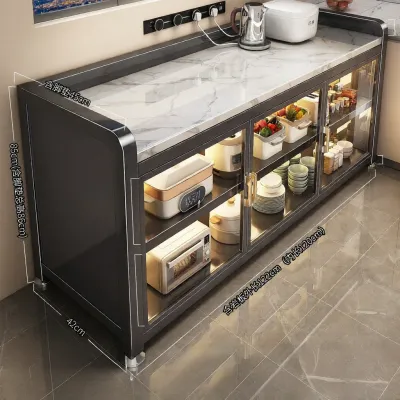
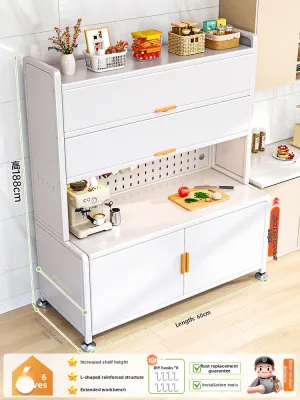
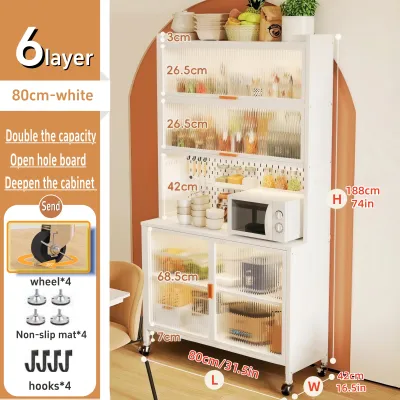


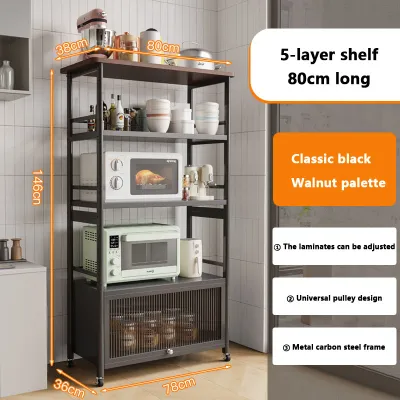
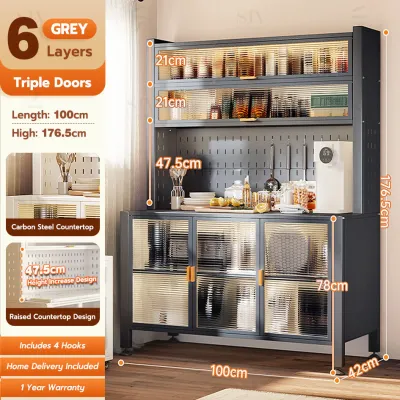
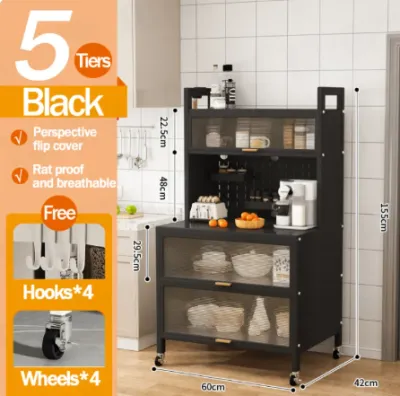
Prices are valid at publication and may change. Please refer to the product page for the latest price.
Once you have the appliance dimensions, measure the designated floor or counter space in your kitchen. Factor in the height of baseboards, which can push freestanding cabinets away from the wall and create unexpected gaps. Check the location of your electrical outlets; the cabinet must allow easy access to the wall plug without pinching or bending the power cord.
Finally, verify the delivery path from your building’s entrance to your kitchen. Measure the width and height of all doorways, narrow hallways, stairwell turns, and elevator doors. In high-rise condominiums or multi-story townhouses, a cabinet that is too large to clear tight corners or low ceilings will present a major delivery headache.
Common Microwave Cabinet Styles and Their Best Uses
Freestanding pantry cabinets are excellent for spacious kitchens or homes with open-plan layouts. These tall units feature a dedicated, open-faced shelf for the microwave at a comfortable waist-to-chest height, with closed cabinets above and below. This style is ideal for families who want to conceal pantry items, trash bins, or extra cookware behind closed doors while keeping the microwave easily accessible.

Rolling kitchen carts offer a highly flexible, renter-friendly solution for dynamic spaces. These compact carts feature heavy-duty casters, allowing you to roll the microwave out of the way when cleaning or hosting. They often include a reinforced top or middle shelf for the microwave, along with wire baskets or lower shelves for vegetable storage or small appliances like air fryers. Ensure the casters have reliable locking mechanisms to prevent the cart from shifting when you open or close the microwave door.
Wall-mounted shelving and over-the-range brackets are best suited for compact studio apartments or tight galley kitchens where floor space is at a premium. These units lift the microwave completely off the floor and counters. However, they require secure anchoring into concrete walls or solid wall studs. You must verify that the wall structure can support both the heavy bracket and the weight of the microwave during operation.
Hutch-style countertop cabinets are smaller, multi-tiered organizers that sit directly on your existing kitchen counter. They feature a sturdy frame that arches over your microwave, creating an extra shelf or two above the appliance for spices, mugs, or small canisters. This style maximizes vertical space without requiring a large floor footprint, making it a popular choice for organizing busy countertops.
Material and Build Quality Checks for Humid Kitchens
The Philippine climate brings high humidity, and kitchens are prone to steam from cooking rice and boiling soups. When evaluating engineered wood cabinets, such as MDF or particleboard, inspect the surface treatments closely. Look for melamine or laminate finishes that seal the wood from moisture. Check the edge banding; unsealed or poorly glued edges will absorb airborne moisture, causing the wood to swell, warp, and peel over time.
Avoid cabinets held together solely by weak glue or thin nails, as a microwave is a heavy, vibrating appliance. Look for robust joint construction, such as thick wooden dowels, heavy-duty cam locks, and metal corner brackets. These components distribute weight evenly and prevent the cabinet from wobbling or sagging under the weight of your appliances.
Opt for cabinets with adjustable shelf heights supported by thick metal pegs rather than flimsy plastic clips. This flexibility allows you to reposition shelves as you upgrade to larger appliances or change your storage layout, ensuring the cabinet remains useful for years to come.
Safety, Ventilation, and Weight Capacity Requirements
Always compare the cabinet’s rated weight capacity against the actual weight of your microwave. Remember to account for the glass turntable, heavy ceramic dishes, and the food you plan to heat. A shelf that sags even slightly can cause the microwave to sit unevenly, affecting its internal components and door alignment.
Microwaves release heat and moisture through exhaust vents located on the sides, back, or top. Placing a microwave in a tightly enclosed cabinet space without proper clearance can cause it to overheat, shortening its lifespan or triggering safety shut-offs. Check your appliance manual for specific clearance requirements; generally, you should maintain at least 5 to 10 centimeters of open space around the sides and rear, and up to 20 centimeters of clearance above the top.
Tall, freestanding pantry cabinets can become top-heavy, especially when you pull out heavy drawers or open upper doors. To prevent dangerous tip-over accidents, look for units that include wall-anchoring hardware or anti-tip kits. Securing the cabinet to a concrete or stud wall is a crucial safety step, particularly in homes with active children or pets.
Plan how you will route the power cord to the nearest outlet. The cabinet should feature pre-drilled grommet holes or open backs that allow cords to pass through freely. Avoid pinching cords behind the cabinet or running them near hot exhaust vents, as exposed heat can damage the cord insulation over time.
Where to Buy and What to Verify Before Checkout
Visiting physical furniture showrooms in major cities allows you to touch the materials, test the drawer glides, and inspect the overall stability of the cabinet in person. However, online marketplaces offer a wider variety of styles, sizes, and price points. When shopping online, carefully read customer reviews, paying close attention to photos uploaded by local buyers to verify the actual color, finish quality, and structural sturdiness.
Review the seller’s return and exchange policies, especially regarding items damaged during transit. Because these cabinets can be heavy and complex to build, check if the retailer offers professional assembly services for a small fee. If you choose to assemble it yourself, verify that all hardware, screws, and clear instruction manuals are included in the package.
Before hitting the checkout button, double-check your measurements one last time. Confirm that the delivered package dimensions can clear your doorways and hallways. Look for user feedback mentioning missing pre-drilled holes or misaligned parts, which can turn a simple assembly project into a frustrating task.
Frequently Asked Questions (FAQ)
Can I place a microwave on a standard wooden shelf without a dedicated cabinet?
Yes, you can place a microwave on a standard wooden shelf, provided the shelf is rated to support the appliance’s full weight and is securely anchored. You must ensure there is sufficient clearance on all sides for proper ventilation to prevent heat buildup. Additionally, monitor the wood surface over time; the heat and steam emitted from the microwave can warp, discolor, or degrade standard wood finishes that lack moisture-resistant protective coatings.
How do I clean grease buildup on cabinet surfaces near the microwave?
To clean grease buildup, wipe the cabinet surfaces regularly using a soft microfiber cloth dampened with a mixture of warm water and mild dishwashing liquid. Avoid using abrasive scrubbing pads, steel wool, or harsh chemical cleaners, as these can scratch the laminate or strip away protective finishes. Always refer to the cabinet manufacturer’s care instructions, and dry the surfaces thoroughly with a clean towel afterward to prevent moisture from seeping into the joints.
Community discussion
Share your experience or ask a question. Comments are reviewed before publication.