
A budget of under ₱5,000 is a highly realistic starting point for finding a reliable study chair for student use in the Philippines. While premium office chairs can cost tens of thousands of pesos, entry-level ergonomic models provide the necessary physical support to prevent back strain during long hours of studying, exam preparation, or online classes. The key to making a smart purchase is knowing which structural features are non-negotiable for spinal health and which aesthetic extras can be bypassed to keep costs low.
What to Expect from a Budget Ergonomic Chair
At the sub-₱5,000 price point, “ergonomic” does not mean a chair will have complex, automated mechanisms that adapt to every micro-movement of your body. Instead, it refers to a chair designed with basic mechanical adjustments that allow the user to maintain a neutral seated posture. A neutral posture keeps the feet flat on the floor, the knees at a 90-degree angle, and the spine supported in its natural “S” curve.
To achieve this, certain “must-have” features are essential. These include a pneumatic gas lift for seat height adjustment, a stable five-point base with smooth-rolling casters, and integrated lumbar support that targets the lower back. These foundational elements ensure that the physical stress of sitting for hours is distributed evenly across the body rather than concentrated on the lower spine.
Products mentioned in this guide
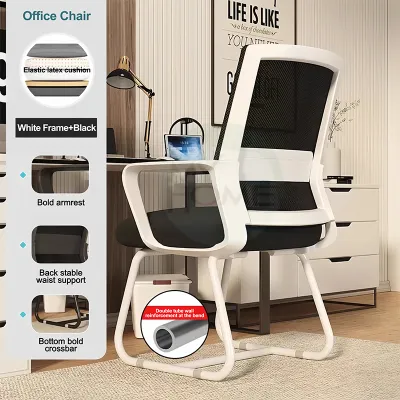
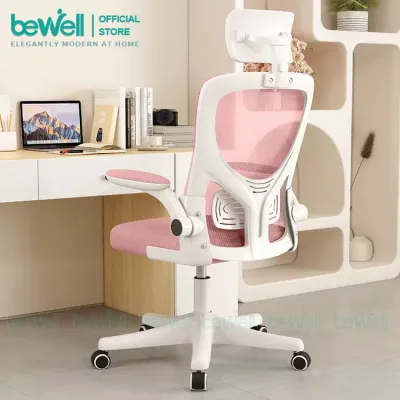
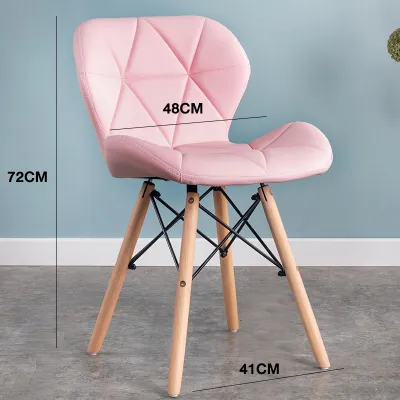
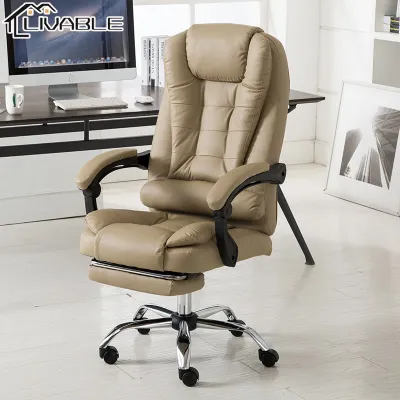
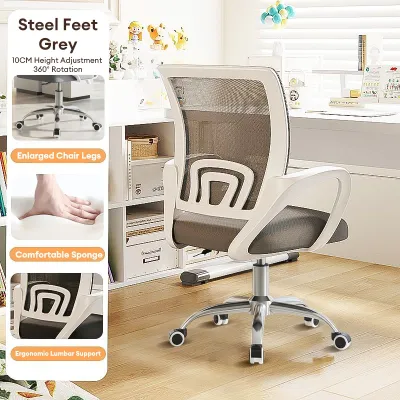
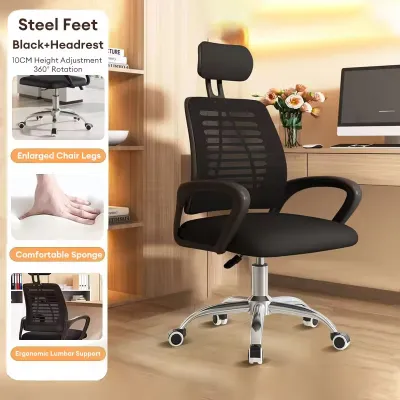
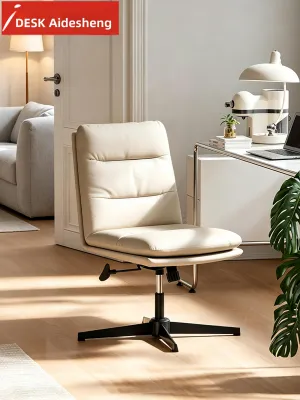
Prices are valid at publication and may change. Please refer to the product page for the latest price.
To remain under the ₱5,000 threshold, buyers must be prepared to accept specific compromises. You will likely find fixed armrests or simple flip-up designs rather than 3D adjustable armrests that move in multiple directions. The tilt mechanism is typically a basic upright lock with adjustable tension, rather than a sophisticated synchro-tilt that keeps the seat level while the backrest reclines. Additionally, the materials used will be standard nylon mesh and high-density foam rather than premium, high-elasticity elastomeric mesh or genuine leather.
Prioritizing these basic structural adjustments over flashy designs or thick, plush padding—which often flattens within a few months—ensures you invest in long-term posture support. A well-designed, simple chair with targeted lumbar support is far better for a student’s health than a heavily padded chair that forces the spine into a curved, slouched position.
Essential Ergonomic Features to Verify on Product Labels
When browsing online marketplaces or visiting local furniture showrooms in the Philippines, relying on marketing terms like “orthopedic” or “fully ergonomic” can be misleading. Buyers must learn to read the technical specification sheets and product labels to verify the physical dimensions and structural capabilities of the chair. This step ensures the chair actually fits the student’s body and their existing study desk.

Seat Height and Base Stability
The relationship between the chair’s seat height and the student’s leg length determines whether they can sit comfortably without cut-off blood circulation. To verify this, measure the student’s popliteal height—the distance from the underside of the knee to the heel of the foot while wearing typical study footwear or barefoot. Compare this measurement with the chair’s adjustable seat height range, which is usually listed on the specification sheet. The minimum height must be equal to or lower than the student’s popliteal height so their feet rest flat on the floor, redistributing body weight away from the thighs.
Next, examine the base of the chair. A standard five-point star base is critical for preventing tipping when leaning or reaching. While metal bases (such as chrome-plated steel) are often marketed as more durable, high-grade nylon bases are highly resilient, rust-proof in humid environments, and perfectly adequate for student use.
Caster selection must match your home flooring. Hard nylon casters are standard and work well on carpets or plastic floor mats, but they can scratch delicate hardwood or make a loud scraping noise on ceramic tiles, which are common in Philippine homes. If the study area has tiled floors, look for polyurethane (PU) or rubber-coated casters, or plan to purchase a separate floor mat to protect the surface. Finally, check the labeled weight capacity. Budget chairs typically support between 90 kg and 120 kg; verifying this number prevents premature failure of the gas cylinder.
Lumbar Support and Backrest Curvature
A study chair’s primary job is to prevent the student from slouching as muscles fatigue over hours of reading or writing. This requires adequate support for the lumbar spine (the lower back curve). In the sub-₱5,000 price range, lumbar support generally comes in two forms: a fixed curve built directly into the backrest frame, or an adjustable lumbar pad that can be shifted vertically.
If the chair has a fixed backrest curve, the user’s height must align with the chair’s dimensions. A backrest that is too tall or too short will place the curve in the wrong spot, causing discomfort rather than support. For adjustable lumbar pads, verify how the pad is secured and adjusted. A sliding pad allows different family members to use the same chair comfortably.
Additionally, look closely at the backrest height. A mid-back chair is generally sufficient for standard study tasks, supporting the lower and middle spine. If the student prefers to lean back during reading sessions, check if the backrest has a tilt-lock mechanism or an adjustable tilt-tension knob beneath the seat. This knob controls how much resistance the backrest offers when leaning back, preventing a sudden, jarring backward drop.
Selecting Breathable Materials for a Tropical Climate
The climate in the Philippines presents unique challenges for furniture durability and comfort. High relative humidity and warm temperatures mean that heat dissipation is a critical factor when choosing a study chair for student use. The three most common materials found in budget chairs are mesh, woven fabric, and polyurethane (PU) leather, each with distinct practical trade-offs.
Mesh is highly recommended for tropical environments. A mesh backrest allows air to circulate freely around the student’s back, preventing sweat buildup during long study sessions, even in rooms without air conditioning. However, budget-grade mesh can vary in quality. Over time, low-tension mesh may stretch and sag, losing its ability to support the spine. To mitigate this, look for double-woven or reinforced mesh descriptions on the product label.
Woven fabric cushions offer a traditional, padded feel. High-density foam covered in woven fabric is comfortable and durable, but it acts as a heat sink, trapping body warmth. Fabric is also susceptible to staining from spilled drinks and absorbs sweat, requiring regular vacuuming or spot cleaning to prevent odors.
PU leather (synthetic leather) is highly popular for its sleek, modern appearance and ease of cleaning—spills can be wiped away instantly with a damp cloth. However, PU leather is highly prone to trapping heat, causing the user to sweat and stick to the seat. In the humid Philippine climate, budget PU leather is also susceptible to hydrolysis, a process where moisture in the air breaks down the synthetic material, causing it to crack, peel, and flake off within a year or two. For most students, a mesh backrest paired with a breathable fabric seat cushion offers the best balance of ventilation, comfort, and longevity. Always check the manufacturer’s care label for specific cleaning restrictions before applying any liquid solutions.
How to Evaluate Dimensions and Hidden Costs Online
Buying a study chair online is highly convenient, but it requires careful cross-referencing of physical spaces to avoid the hassle of returning a bulky item. Before clicking the buy button on any online marketplace, grab a tape measure and document the dimensions of the student’s existing study desk.
Pay close attention to the armrest height. If the chair features fixed armrests, measure from the floor to the top of the armrests at the chair’s lowest and highest seat settings. Compare this to the clearance height under the desk drawer or tabletop. If the armrests are too high, the chair cannot be pushed under the desk when not in use, which wastes valuable floor space in compact bedrooms or boarding houses.
Additionally, verify the total width of the chair’s base. Ensure the desk’s legroom opening is wide enough to accommodate the five-point base without hitting the desk legs. If the chair is delivered fully or partially assembled, measure the width of your doorways, narrow hallways, and stairwells to guarantee the box can physically reach the study room.
Hidden costs can quickly push a sub-₱5,000 budget over the limit. Bulky furniture items often incur high shipping fees, particularly for deliveries outside Metro Manila or to provincial areas. Look for shipping promotions, but also check for potential remote area surcharges. Furthermore, verify the assembly requirements. While most budget chairs include basic hex keys and screws, some may require additional tools or benefit from two people during assembly. Finally, inspect the seller’s warranty terms. At this price point, a reputable seller should offer at least a 3-to-6-month warranty on critical moving parts, particularly the pneumatic gas lift cylinder and the tilt mechanism, which bear the brunt of daily wear and tear.
Setup and Maintenance Tips to Extend Chair Lifespan
Once the chair arrives, proper assembly and regular maintenance are vital to maximizing its lifespan and ensuring it remains safe to use. Begin by carefully reading the manufacturer’s instruction manual. When assembling the pieces, tighten the bolts in a cross-pattern to distribute tension evenly across the frame. Once fully assembled, sit in the chair and test all moving parts: adjust the seat height, rotate the chair 360 degrees, and adjust the tilt-tension knob until the backrest reclines with comfortable resistance.
To keep a budget chair in peak condition, establish a simple monthly maintenance routine. First, check all structural screws underneath the seat cushion and backrest. The vibrations from daily movement naturally loosen these fasteners over time; gently tightening them prevents frame wobbling and structural damage.
Second, inspect the caster wheels. Hair, dust, and fibers from the floor easily wrap around the wheel axles, preventing them from rotating smoothly. Use a small brush or tweezers to clear out debris, which protects your flooring from scrape marks caused by locked wheels.
Third, wipe down the exposed metal or plastic parts of the pneumatic gas lift with a dry microfibre cloth to remove accumulated dust. Avoid applying heavy household lubricants directly to the cylinder unless specified by the manufacturer, as these can attract more dirt and degrade the internal seals.
When cleaning the upholstery, always defer to the care tag attached to the chair. For mesh backrests, a gentle vacuuming with a brush attachment is usually sufficient to remove dust. For fabric seats, spot-clean spills immediately with a damp cloth and mild upholstery cleaner, taking care not to saturate the internal foam, which can lead to mold growth in humid climates.
Frequently Asked Questions (FAQ)
Is a gaming chair a good ergonomic alternative for studying?
While budget gaming chairs are popular, they are often designed with bucket seats inspired by race cars. These high side bolsters can restrict natural movement and shoulder posture. Additionally, budget gaming chairs frequently use thick PU leather, which traps heat in tropical climates. A dedicated, mesh-back ergonomic study chair provides superior ventilation and targeted lumbar support specifically tailored for upright, active desk work.
How do I verify a chair's weight capacity and safety?
Do not rely on visual sturdiness or the thickness of the plastic frame. Instead, locate the explicit weight capacity rating on the product’s official specification sheet or manual. The safety of the chair relies heavily on the quality of the pneumatic cylinder. Look for chairs that mention a certified gas lift (such as SGS or BIFMA Class 3 or Class 4 certification) to ensure it has passed rigorous safety and load-bearing tests.
Can I add a separate lumbar pillow to a budget chair?
Yes, adding an aftermarket memory foam or mesh lumbar support pillow is a cost-effective way to improve a budget chair’s comfort. Ensure the pillow features adjustable straps to keep it firmly positioned against the backrest. Keep in mind that a thick external pillow will push your body forward, slightly reducing the usable seat depth, so verify that your thighs are still fully supported by the seat cushion.
Community discussion
Share your experience or ask a question. Comments are reviewed before publication.