
Fitting a professional-grade massage bed into a compact condominium bedroom requires balancing the physical footprint of the equipment with the operational space needed for movement. In tight urban living spaces, a standard massage bed can quickly overwhelm a room, turning a relaxing home spa experience into a cramped, hazardous environment. To maintain clear walkways and ensure a functional setup, you must select the right bed dimensions and plan your layout with precision.
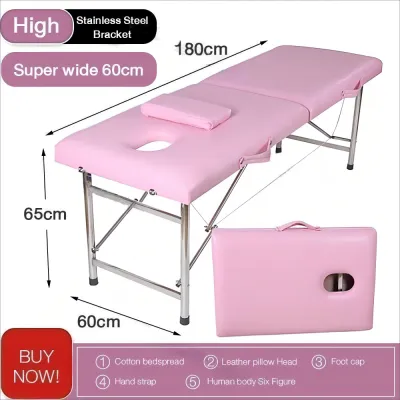
As a general rule, a standard portable massage bed requires a clear floor area of at least 3 meters by 2.5 meters to operate comfortably. While the physical bed itself typically occupies a footprint of 180 to 185 centimeters in length and 60 to 70 centimeters in width, the therapist requires an additional 60 to 90 centimeters of unobstructed clearance around the head and sides of the table. This buffer zone ensures the practitioner can perform therapeutic strokes, maintain proper body mechanics, and move freely without bumping into walls, wardrobes, or other bedroom furniture.
How to Measure Your Bedroom for a Massage Bed
Before purchasing any equipment, you must map out the actual usable floor space in your bedroom. Do not rely solely on the gross square meterage of the room listed on your condo’s floor plan. Existing furniture, structural elements, and architectural features significantly reduce the actual open area available for temporary or permanent setups.
Products mentioned in this guide
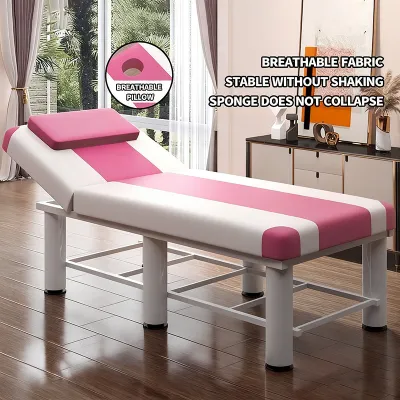
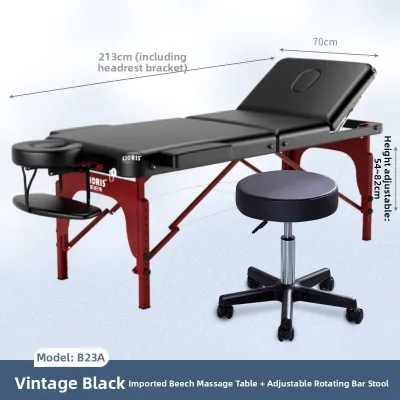
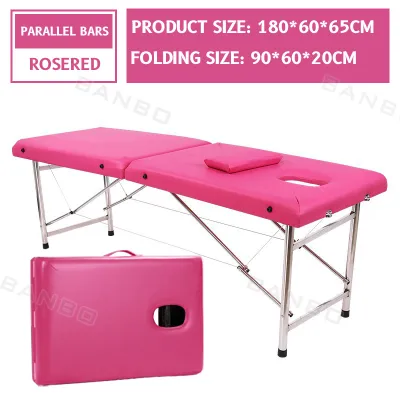
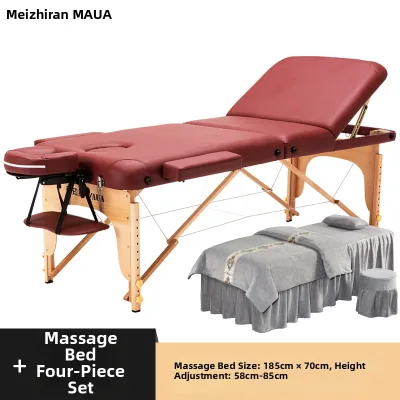
Prices are valid at publication and may change. Please refer to the product page for the latest price.
Begin by measuring the open floor space while excluding fixed elements. Take note of built-in closets, projecting structural pillars, and wall-mounted air conditioning units that might restrict vertical or horizontal clearance. In tropical climates like the Philippines, positioning a massage bed directly under an air conditioner can cause uncomfortable drafts for the client, while placing it too close to a window can expose the setup to intense afternoon heat and humidity.
Next, account for operational clearances and door swings. Measure the swing path of your bedroom door, wardrobe doors, and any sliding closet panels. A massage bed must never block these pathways, especially in an emergency. If your wardrobe has hinged doors, ensure there is enough clearance to open them fully while the bed is set up, or plan to fold and store the bed when access is required.
Finally, verify the delivery and transport route. Condo living involves navigating tight spaces long before the product reaches your bedroom. Measure the width and height of your building’s elevator doors, the clearance of hallway turns, and the dimensions of your apartment’s main entryway. If you choose a stationary model, ensure the boxed dimensions can clear these tight corners without damaging the walls or the product itself.
Standard Massage Bed Dimensions and Clearance Needs
Massage beds generally fall into two categories: portable folding models and stationary tables. Understanding the dimensional differences between these types is crucial for determining which option aligns with your available space and storage capacity.

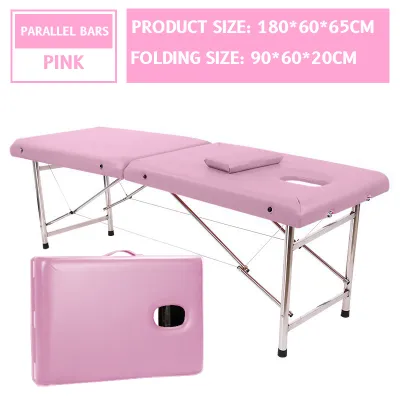
Portable, folding massage beds are the most practical choice for small condo bedrooms. These models typically feature a length of 180 to 185 centimeters and a width ranging from 60 to 70 centimeters. Their height is usually adjustable, ranging from 60 to 85 centimeters to accommodate different therapist heights. Because they fold in half, they can be packed away when not in use, freeing up valuable floor space for daily activities.
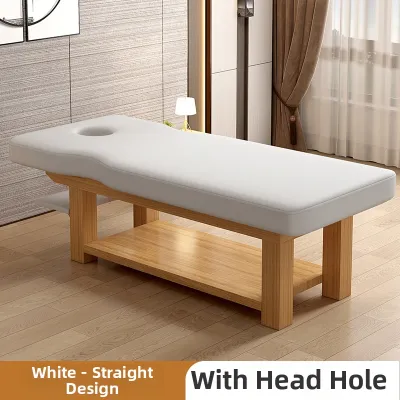
Stationary massage tables are designed for permanent setups and are generally larger and heavier. They often feature wider tops, ranging from 70 to 80 centimeters, and lengths up to 190 centimeters or more. Stationary models require a dedicated room or a very spacious bedroom, as they cannot be easily disassembled or moved. For a small condo, a stationary bed is rarely practical unless the bedroom serves exclusively as a dedicated treatment room.
Working clearance is the most critical factor for safe and effective therapy. A therapist cannot work efficiently if they are pressed against a wall or squeezing past a bedside table. You must maintain a minimum of 60 centimeters—ideally 90 centimeters—of open space on both long sides of the bed and at the headrest end. This space allows the practitioner to transition smoothly between different massage techniques, adjust their stance, and use their body weight effectively without risking injury or compromising the treatment.
Client access and accessory placement also require dedicated space. Your client needs a clear, safe path to step onto the bed, which may require space for a small stepping stool if the bed is set up high. Additionally, you must allocate space nearby for essential accessories, such as a rolling utility cart for oils and towels, bolsters, and a laundry hamper for soiled linens.
Space-Saving Massage Bed Options for Small Rooms
If your condo bedroom must serve as both a sleeping area and a treatment space, selecting a highly adaptable, space-saving massage bed is essential. Foldable portable models offer the ultimate flexibility, allowing you to transform your room in minutes.
Foldable portable massage beds can be set up quickly and stored out of sight when the session ends. When folded, these beds typically measure around 90 centimeters long, 60 to 70 centimeters wide, and about 20 centimeters thick. This compact folded size allows them to fit inside standard built-in wardrobes, behind a bedroom door, or flat underneath a high-clearance bed frame. This storage capability prevents the equipment from cluttering your living space during non-treatment hours.
When shopping for a space-saving model, always check the manufacturer’s specifications for weight capacity, frame stability, and joint durability. Look for tables with robust tension cabling systems and reinforced hinges that can withstand repeated folding and unfolding. In humid environments, the choice of frame material is particularly important. Aluminum frames are lightweight, highly portable, and naturally resistant to rust and moisture. Wooden frames offer a classic aesthetic but must be treated with a high-quality, moisture-resistant finish to prevent warping or joint loosening caused by seasonal humidity.
Additionally, pay close attention to the upholstery material. High-quality polyurethane leather is generally preferred over cheap vinyl, as it is more breathable, comfortable against the skin in warm weather, and easier to sanitize. However, you must verify the manufacturer’s care instructions to ensure the material can withstand regular cleaning with disinfectant wipes without cracking or peeling.
Common Layout Mistakes to Avoid in Small Bedrooms
When arranging a compact bedroom to accommodate a massage bed, certain layout pitfalls can compromise both safety and comfort. Recognizing these mistakes early in the planning phase will save you from frustrating adjustments later.
One of the most common errors is placing one side of the massage bed directly against a wall to save space. While this might open up a larger walkway on the opposite side, it severely limits the therapist’s access to the client. Effective massage therapy requires the practitioner to work from both sides of the body; blocking one side forces awkward stretching, compromises ergonomics, and can lead to physical strain for the therapist.
Another frequent oversight is failing to plan for proper ventilation and temperature control. In a small condo bedroom, air circulation can quickly become restricted once a large piece of equipment is introduced. Avoid positioning the head of the bed directly under a strong air conditioning vent, as the cold air blowing directly onto a client’s face or back can cause discomfort. Conversely, placing the bed in a stagnant corner without adequate airflow can make the space feel stuffy and warm. Position the bed where gentle, indirect air currents can circulate comfortably.
Lastly, ensure you have easy access to power outlets without creating tripping hazards. If you use electric heating pads, oil warmers, or ambient lighting, position the bed close enough to wall outlets so that cords lie flat along the baseboards rather than stretching across active walkways. Using cord covers or securing cables safely is essential to prevent accidents during a session.
Frequently Asked Questions (FAQ)
Can I use a regular bed as a massage bed in a small room?
Using a standard household bed for professional massage therapy is not recommended due to significant ergonomic and structural limitations. Regular beds are typically much lower than massage tables, forcing the therapist to bend over constantly, which can lead to severe back and shoulder strain. Furthermore, standard mattresses are designed to absorb and distribute weight for sleeping comfort, meaning they are too soft to support the firm, targeted downward pressure required for effective therapeutic strokes. A dedicated massage bed provides the necessary height adjustment and firm, high-density foam padding required for safe and effective treatment.
What is the minimum room size needed for a portable massage bed?
To safely operate a standard portable massage bed measuring 185 centimeters by 60 centimeters, you need an absolute minimum clear floor space of approximately 3.0 meters by 1.8 meters. This calculation accounts for the bed’s footprint plus a bare minimum of 60 centimeters of working clearance on both long sides and at the head of the table. If your bedroom contains other large furniture items like a queen-sized bed or a desk, the total room size must be significantly larger—typically at least 9 to 12 square meters—to ensure these clearance zones remain entirely unobstructed.

Community discussion
Share your experience or ask a question. Comments are reviewed before publication.