
Fitting a military folding bed into a compact condo bedroom requires precise spatial planning to ensure daily functionality. The core challenge is balancing the bed’s deployed footprint with the swing radius or sliding track of your wardrobe doors. By accurately measuring clearances and selecting the right layout configuration, you can maintain unobstructed access to your clothes and safe walkways without compromising sleep comfort. Placing a temporary or flexible sleeping solution should not mean sacrificing the usability of your permanent storage fixtures.
Measure Your Space and Bed Dimensions
Before purchasing or deploying a military folding bed, you must establish its exact physical footprint. Most standard folding cots or military-style beds measure approximately 190 centimeters in length and between 60 to 80 centimeters in width when fully unfolded. However, you must also account for any protruding metal brackets, tension bars, outer legs, or transport wheels that extend beyond the fabric sleeping surface. Measure these maximum outer dimensions carefully to avoid unexpected spatial conflicts.
Next, map the clear floor space of your condo bedroom. Condo units in urban areas often feature structural columns, protruding baseboards, or low-profile wall outlets that reduce the actual usable floor area. Do not rely solely on the general room dimensions listed in your property’s floor plan. Use a physical tape measure to find the distance from the edge of the baseboards to the opposite walls. Additionally, verify that the folded unit can easily pass through your condo’s doorway, hallway corners, and passenger lift during delivery or transport.
Products mentioned in this guide
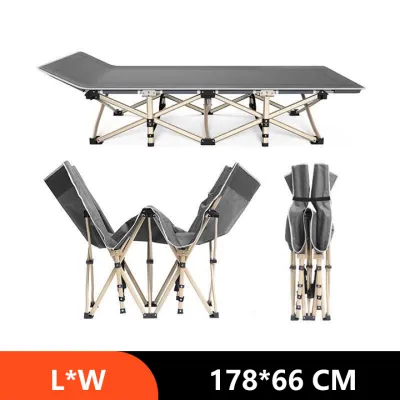
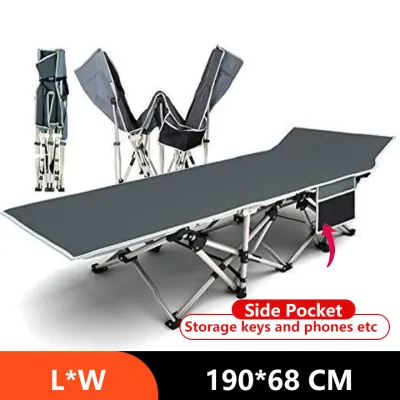
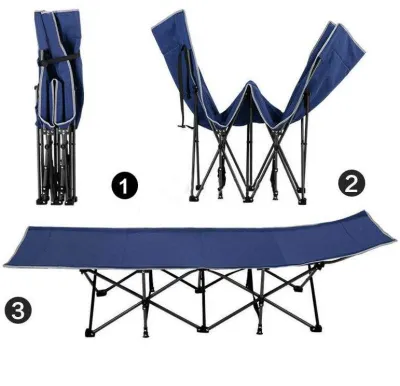
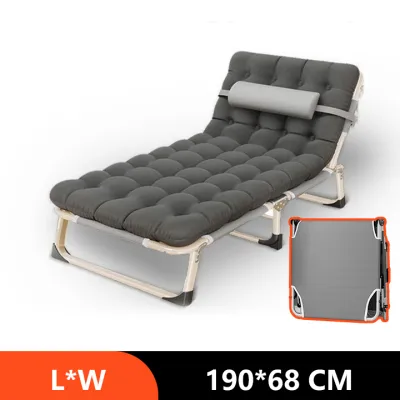
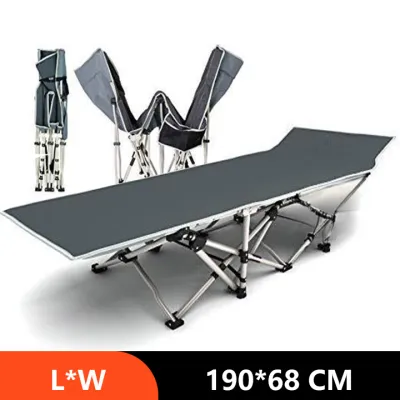
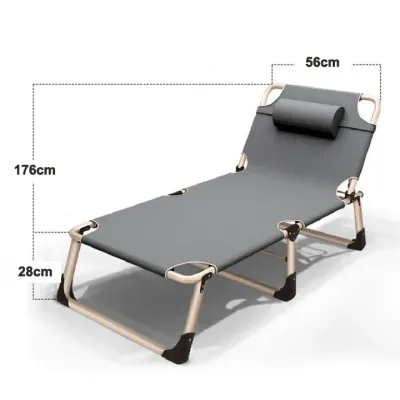

Prices are valid at publication and may change. Please refer to the product page for the latest price.
Finally, identify the design of your wardrobe doors. Wardrobes with hinged doors require a clear arc of space to swing open fully, whereas wardrobes with sliding doors operate within a fixed track. Knowing which system you have determines how much clearance you must preserve on the floor directly in front of the wardrobe unit.
Calculate Wardrobe Clearance and Walkways
To maintain a functional bedroom, you must calculate the exact clearance zones required for both your wardrobe and daily foot traffic. For wardrobes with hinged doors, measure the width of the door panel itself. This width represents the absolute minimum swing radius. To make the space usable, add at least 50 to 60 centimeters of standing clearance beyond the open door. This extra space ensures you can stand comfortably in front of the wardrobe, reach for your clothes, and pull out any internal drawers without being pinned against the edge of the deployed military folding bed.

If your condo features sliding wardrobe doors, you do not need to worry about a swing radius, but you still require standing room. A clearance zone of 60 centimeters between the sliding door track and the side of the folding bed is generally sufficient for a single person to stand and slide the doors open. If the space is tighter than 60 centimeters, you may find yourself shuffling sideways or scraping against the bed frame while getting dressed.
Beyond wardrobe access, you must evaluate the overall traffic paths in the room. Ensure there is a clear walkway of at least 60 centimeters from the bed to the main bedroom door, the bathroom, or the balcony. In a small condo, blocking these primary pathways with a deployed bed frame creates a tripping hazard and restricts movement, especially during nighttime hours. If the bed-end sits too close to an outward-swinging bedroom door, you risk trapping yourself inside or damaging the door frame when someone enters.
Layout Strategies for Small Condo Bedrooms
Finding the right position for your military folding bed depends on your room’s shape and the location of your wardrobe. One practical option is parallel placement, where you align the length of the bed alongside the wardrobe. This layout works exceptionally well in long, narrow bedrooms equipped with sliding wardrobe doors. Because sliding doors do not swing outward, you can place the bed relatively close to the wardrobe, provided you leave enough room to stand. However, if your wardrobe has hinged doors, parallel placement is rarely ideal, as the long side of the bed will almost certainly block the doors from opening.
Another option is perpendicular placement, where the head or foot of the military folding bed faces the wardrobe. This configuration is highly suitable for wardrobes with hinged doors, provided the room has enough depth. By positioning the bed at a right angle, you can align the bed’s narrow end with the gap between the wardrobe doors, or place it entirely outside the swing arc of the doors. This layout keeps the sides of the bed open, making it easier to get in and out of bed without stepping directly into the wardrobe’s operational zone.
If your condo bedroom has an irregular shape or limited depth, corner anchoring is often the most efficient strategy. This involves tucking the folding bed into a corner directly opposite the wardrobe. By utilizing the room’s corners, you consolidate the sleeping area and maximize the central floor space. This open central area serves as a shared zone for walking, dressing, and operating the wardrobe doors.
Each layout presents distinct trade-offs. Parallel placement maximizes open floor space on one side of the room but can make daily bed folding more tedious if you have to squeeze into a tight gap to operate the hinges. Perpendicular placement offers excellent accessibility but can make a small room feel visually crowded by cutting the space in half. Corner anchoring provides an effective balance of open space but may limit your access to bedside tables or wall outlets.
Operational Safety and Folding Clearance
A military folding bed is designed for quick deployment and storage, but operating the mechanism in a confined space requires care. Before unfolding the bed, ensure you have sufficient lateral and overhead clearance. Many military-style frames utilize a scissor-action or center-fold mechanism that requires you to stand at the side and lift or press down on the frame. If the bed is positioned too close to a wall or a glass wardrobe door, you risk scraping your knuckles or striking the glass with the metal frame during setup.
Floor levelness is another critical factor for operational safety. Many condo units feature tiled or laminate flooring that may have slight unevenness near the walls or baseboards. Place the folding bed on a level surface to ensure all support legs make solid contact with the floor. An uneven base can cause the metal frame to wobble, creak, or shift under weight, which accelerates wear on the joints and compromises stability.
When the bed is folded and stored during the day, its storage location must be chosen carefully. Avoid placing the folded frame directly in front of air conditioning vents, windows, or the main door swing. In tropical climates, blocking air vents or windows restricts essential airflow, which can lead to localized humidity buildup and mold growth on both the bed fabric and nearby wooden wardrobe panels. Keep the stored bed anchored securely against a wall or inside a designated utility closet to prevent it from tipping over.
Frequently Asked Questions (FAQ)
Can I use a rug under the military folding bed in a small room?
Yes, but you must choose the right type of rug to avoid operational issues. Thick, high-pile shag rugs can easily catch on the folding legs, hinges, or wheels of a military folding bed, making deployment difficult and potentially damaging the rug fibers. Instead, opt for a low-pile, flat-weave rug or a non-slip utility mat. A low-pile rug protects your condo’s laminate or tiled flooring from scratches caused by the metal legs while ensuring the bed frame remains stable and easy to fold or unfold.
What if the wardrobe doors hit the bed when fully opened?
If your hinged wardrobe doors strike the bed frame when fully opened, you have a few practical troubleshooting options. First, try shifting the bed’s position slightly or angling it away from the door’s swing path. If the layout cannot be altered, consider temporarily removing the hinged doors and replacing them with a tension-rod curtain or a sleek sliding track system, if your condo association rules permit. Alternatively, you can install door-stop cushions on the wardrobe doors to prevent hard metal-on-wood contact, or fold the bed frame partially during the day to keep the pathway clear.
Community discussion
Share your experience or ask a question. Comments are reviewed before publication.