
To fit shoe storage into an existing closet without losing valuable floor space, you must shift your focus from horizontal floor space to underutilized vertical and hidden zones. By utilizing the back of your closet doors, the vertical space beneath short-hanging clothes, and the empty areas under existing shelves, you can seamlessly integrate shoe racks and organizers without crowding the floor. This approach keeps your footwear accessible while preserving floor space for larger items or keeping it entirely clear for a cleaner look.
Successfully executing this transition requires analyzing your closet’s unique layout, choosing the right style of organizer, and arranging your wardrobe strategically. In tropical climates like the Philippines, where high humidity can quickly damage stored items, proper placement and ventilation are just as critical as the physical dimensions of your storage units.
Assessing Your Closet's Available Space
Before purchasing any storage accessories, you must accurately map the interior dimensions of your closet. Begin by measuring the vertical distance from your hanging rod to the floor, as well as the height of the space beneath your shortest hanging garments, such as folded trousers or shirts. Next, measure the total depth of the closet interior and the clearance space behind the door when it is fully closed. These dimensions dictate whether you can use hanging shelves, door-mounted units, or slim floor inserts.
Products mentioned in this guide
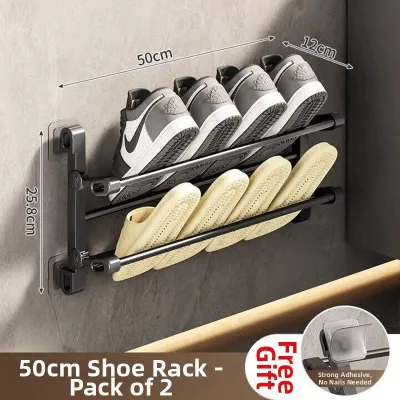
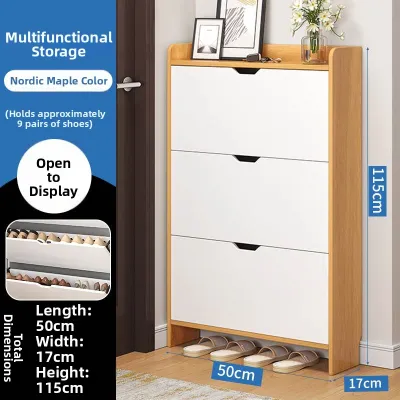
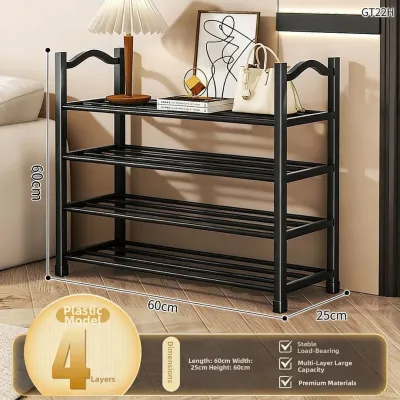
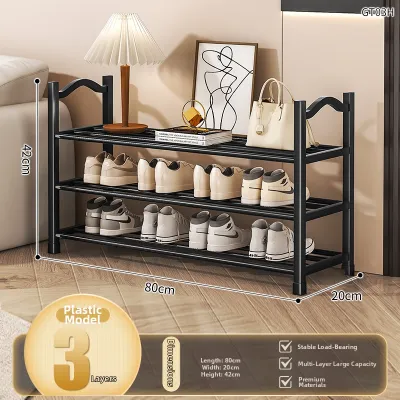
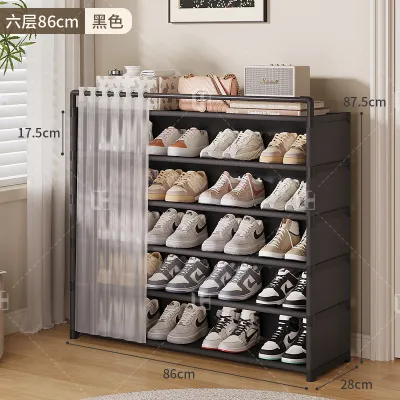
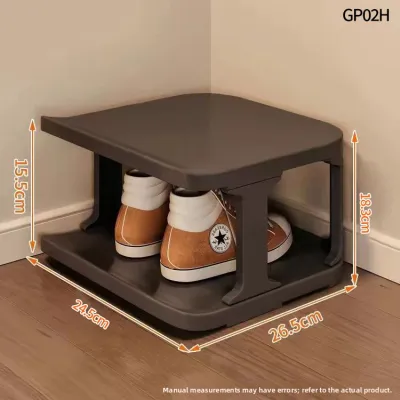
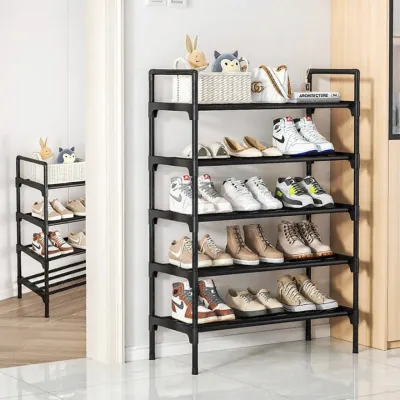
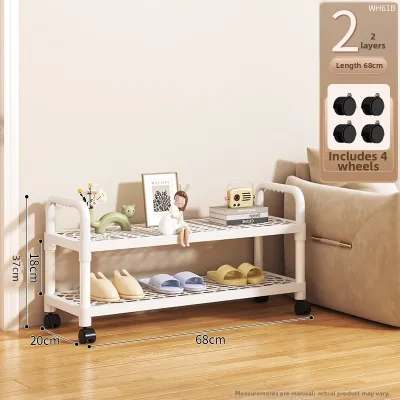
Prices are valid at publication and may change. Please refer to the product page for the latest price.
When calculating your available space, you must account for the physical volume of your existing wardrobe items. Hanging clothes do not hang flat; they bulge outward and require at least 50 to 55 centimeters of depth clearance to prevent wrinkling. If you have bulky storage bags, vacuum-sealed seasonal packs, or plastic bins resting on your closet floor, measure their exact footprints and heights so you know how much usable space remains around them.
Identifying overlooked “dead zones” within your closet structure will reveal the best locations for new organizers. Look at the empty wall space above your top shelf, the inner side panels of the closet frame, and the unused vertical space between the bottom of your hanging shirts and the floor. These zones are ideal for low-profile storage systems that do not interfere with your primary hanging garments.
Selecting Space-Saving Shoe Racks and Organizers for Your Closet
Over-the-Door and Hanging Organizers
Over-the-door and rod-hanging organizers are excellent options for maximizing vertical space without drilling into your closet walls. Pocket-style organizers made of durable canvas, non-woven fabric, or clear PVC can be hung directly over standard closet doors or attached to the main hanging rod. These systems keep your shoes visible and separated, making it easy to grab a pair on your way out the door.

When using hanging organizers, you must carefully evaluate weight distribution to protect your closet’s structural integrity. A standard fabric organizer filled with heavy sneakers or leather boots can weigh several kilograms, which can bow a wooden hanging rod or strain door hinges over time. To prevent damage, distribute heavier footwear toward the bottom of the organizer or closer to the wall supports, and use lightweight shoes like sandals or flats in the higher pockets.
Stackable and Adjustable Tension Racks
Tension-based and adjustable shelving units allow you to create custom vertical tiers without permanent installation. These racks use spring-loaded mechanisms or expandable metal bars that wedge securely between the side walls of your closet or beneath an existing shelf. Because they require no drilling, they are ideal for rental properties or modular wardrobes where permanent modifications are not permitted.
Before installing a tension rack, inspect the surface texture and material of your closet walls. Smooth laminate, polished wood, or painted drywall can sometimes lack the necessary friction, causing the tension rods to slip under a heavy load. Check the manufacturer’s specified weight limits and ensure the rubber grip pads on the ends of the rods are clean and intact to prevent damage to your closet’s interior finish.
Under-Shelf and Door-Mounted Inserts
Under-shelf inserts utilize the empty space directly beneath your existing wooden shelves. These slim, slide-on wire baskets or low-profile racks attach using simple brackets that slip over the edge of the shelf, requiring no tools or adhesives. They are perfect for flat shoes, sandals, or slippers that do not require deep vertical clearance.
For the inner side panels of your closet, slim, low-profile racks can be mounted using heavy-duty adhesive strips or small wood screws. These organizers hold shoes parallel to the wall, taking up only a few centimeters of depth. If you choose adhesive mounting, clean the closet wall thoroughly with rubbing alcohol first, and allow the adhesive to cure fully according to the manufacturer’s instructions before placing any shoes on the rack.
Matching Shoe Capacity to Your Closet Dimensions
To ensure your shoes fit comfortably without being crushed, you must measure your largest and bulkiest footwear before selecting an organizer. Measure the width, height, and depth of your largest pairs, such as chunky sneakers, high heels, or boots. Standard shoe compartments are often designed for flat shoes, so knowing your maximum shoe dimensions prevents you from buying a system with slots that are too narrow or short.
A common mistake when planning closet storage is forgetting to account for door clearance and frame projections. If an organizer is too deep, your closet doors may not close completely, or they may press against your shoes, causing scuffs and structural deformation. Always subtract at least 3 to 5 centimeters from your measured closet depth to allow a safe buffer zone for doors to swing or slide closed.
Your actual shoe capacity will also depend on how much your hanging clothes bulge outward. When hangers are packed tightly, the sleeves of jackets and the hems of long dresses extend beyond the depth of the shelf or rod. If you place a shoe rack directly beneath these items, the fabric will drape over your shoes, making them difficult to access and potentially transferring dust or dye to your footwear.
Integrating Shoe Storage with Existing Closet Items
To create a functional layout, divide your closet into distinct storage zones based on garment length. Place multi-tier shoe racks or tension shelves strictly under short-hanging items like folded trousers, skirts, and short-sleeve shirts. This leaves the floor space beneath long garments, such as dresses, coats, or long trousers, entirely clear so the fabrics can hang naturally without bunching up on top of your shoes.
If you must use a small portion of floor space, opt for uniform, stackable drop-front shoe boxes instead of open racks. These boxes allow you to build stable, vertical columns that utilize the height of your closet floor without spreading horizontally. The drop-front openings ensure you can retrieve any pair of shoes without having to unstack the boxes above them, keeping your closet organized and accessible.
In humid tropical environments like the Philippines, storing shoes in enclosed closets requires careful moisture management. High relative humidity can trap stagnant air inside wardrobes, leading to mold growth and the degradation of leather, canvas, and adhesive bonds. Ensure your closet has adequate airflow by leaving a small gap between shoe boxes, avoiding overpacking, and using breathable fabric organizers rather than airtight plastic containers when possible.
Installation and Safety Checks
Before placing your shoes onto any newly installed organizer, perform a thorough safety and stability check. For tension-based systems, verify that the rods are perfectly level and tightened securely against the closet walls. Test the grip by applying downward pressure with your hands, and recheck the tension periodically, especially during wet or humid seasons when wood expansion and condensation can cause rods to slip.
If you are using hanging organizers, monitor the main garment rod for any signs of sagging or bending. Standard wooden or thin metal rods can fail under the combined weight of heavy winter coats, suits, and multiple pairs of shoes. If you notice any bowing, redistribute your wardrobe items, reinforce the rod with a center support bracket, or move heavier footwear to lower, wall-supported shelves.
Finally, check that your door-mounted or side-panel organizers do not obstruct the closet’s hardware. Open and close the closet doors slowly to ensure the racks do not strike the door frame, hinges, or sliding tracks. If you encounter any resistance or friction, adjust the position of the organizer immediately to prevent permanent damage to your closet doors and hardware.
Frequently Asked Questions (FAQ)
Can I use regular freestanding shoe racks inside a built-in closet?
While you can place freestanding shoe racks inside a closet, standard models are often too deep or wide, consuming the exact floor space you want to save. They can also interfere with the hems of hanging clothes, causing wrinkles and clutter. If you choose to use a freestanding rack, ensure your closet has a dedicated, empty floor bay with no hanging items directly above it, and verify that the rack’s dimensions allow your closet doors to close fully.
How do I prevent shoes from smelling when stored inside a closed closet?
To prevent odors, always ensure your shoes are completely dry and clean before putting them away. Moisture and dirt trapped in a closed closet encourage bacteria and mold growth. To maintain a fresh environment, place natural moisture absorbers, activated charcoal bags, or cedar blocks inside your closet or directly within individual shoe compartments. These natural solutions absorb excess humidity and neutralize odors without relying on harsh chemical perfumes.
Community discussion
Share your experience or ask a question. Comments are reviewed before publication.