
A true Japandi sofa bed is defined by its low-profile silhouette, clean lines, concealed conversion mechanisms, natural materials, and a muted, earth-toned color palette. This style seamlessly blends Japanese minimalism (wabi-sabi) with Scandinavian comfort (hygge), resulting in dual-purpose furniture that values visual calm and practical utility. Unlike traditional sleeper sofas, which often look bulky and heavily mechanical, a Japandi-style piece maintains a light, uncluttered presence in your living room.
Evaluating these pieces requires looking beyond surface aesthetics. You must examine the underlying structure, the subtlety of the transition hardware, the breathability of the textiles, and the sourcing of the wood. In tropical climates where heat and humidity are daily factors, choosing the right materials and design features becomes even more critical for long-term comfort and durability.
Defining the Japandi Baseline for Dual-Purpose Furniture
To understand what makes a sofa bed fit the Japandi aesthetic, you must first understand the design philosophy that guides it. Japandi is not a superficial hybrid style; it is a deep alignment of two distinct cultural approaches to living. Japanese design contributes the concept of wabi-sabi, which emphasizes simplicity, natural elements, and an appreciation for quiet, unadorned beauty. Scandinavian design brings hygge, focusing on warmth, comfort, and highly functional, accessible living.
Products mentioned in this guide
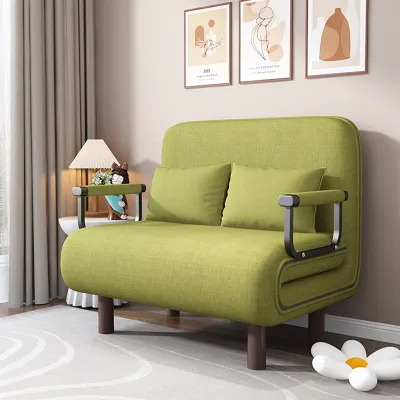

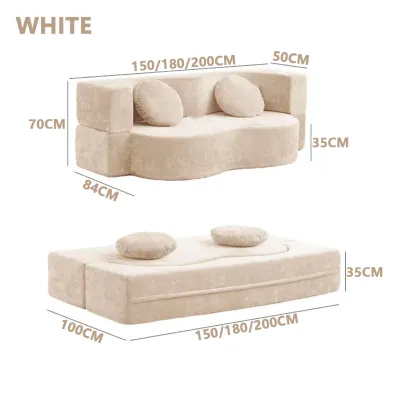

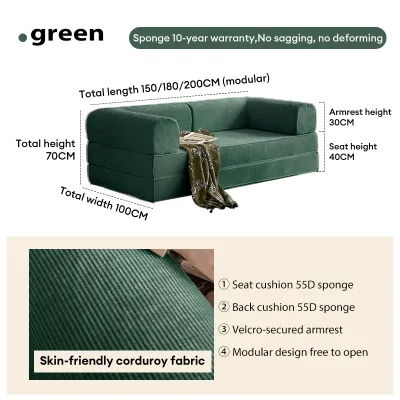
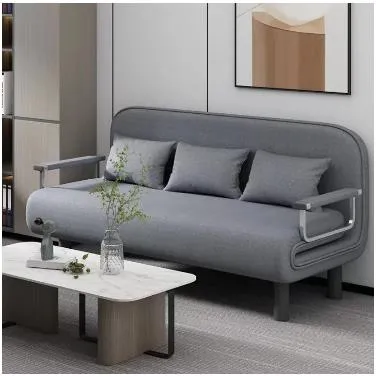
![[AVAILABLE ONHAND] Classic Black Leather Folding Sofa Bed Foldable up to 180 Degree](https://img.lazcdn.com/g/p/56577d29f132e6501a5ea4451c45d397.jpg_400x400q80.jpg_.webp)
Prices are valid at publication and may change. Please refer to the product page for the latest price.
When these two philosophies meet in a single piece of dual-purpose furniture, functionality must not compromise visual peace. Traditional sleeper sofas are notorious for their heavy, boxy frames and visible metal hinges. They often dominate a room visually and physically, creating a sense of clutter.
A true Japandi sofabed solves this problem by prioritizing visual lightness. The piece must look like an elegant, minimalist sofa first, with its bed function entirely secondary in appearance. It serves as a calm focal point in your living space, offering a comfortable place to sit during the day and a supportive sleeping surface at night without disrupting the room’s spatial flow. This baseline standard ensures that your furniture remains both a beautiful design statement and a practical daily asset.
Visual Diagnostic: Identifying True Japandi Silhouettes and Mechanisms
Low-Profile Silhouettes and Grounded Bases
The silhouette of a Japandi sofa bed is characterized by its low center of gravity. This low-profile design draws inspiration from traditional Japanese floor-level living, which fosters a sense of stability and connection to the ground. When browsing options, look for seat heights that range between 35 to 42 centimeters from the floor. This is slightly lower than standard western sofas, creating an immediate sense of casual relaxation and openness.

The base of the sofa bed should follow one of two distinct paths: grounded or elevated. A grounded base sits very close to the floor, often with a recessed plinth that makes the sofa appear to float slightly. This style works exceptionally well in larger rooms with high ceilings where you want to anchor the seating area.
Alternatively, an elevated base features slender, tapered wooden legs. These legs lift the main body of the sofa bed off the floor, allowing light and air to pass underneath. In tropical climates, this elevation is highly practical. It improves air circulation, reducing the risk of moisture trapping beneath the frame, and makes cleaning dust and debris much easier.
Before purchasing, verify the product’s overall dimensions to ensure the proportions remain balanced. A true Japandi design avoids thick, overstuffed armrests or excessively high backrests. The lines should be clean, straight, or gently curved, ensuring the sofa bed does not appear blocky or imposing in your living room.
Concealed Mechanisms and Clean Lines
The mechanism that converts the sofa into a bed is a critical diagnostic point. Traditional pull-out mechanisms rely on heavy steel bi-fold frames and springs hidden beneath removable seat cushions. These systems are heavy, difficult to operate, and often result in a bulky sofa design with visible gaps and metal parts.
Japandi sofa beds prioritize simplicity and seamless integration. Look for conversion mechanisms that require minimal effort and keep hardware completely out of sight. A popular option is the click-clack mechanism, where the backrest folds flat to align with the seat. When executed correctly, the hinges are entirely upholstered or recessed into the wooden frame, leaving no metal parts exposed when the sofa is in either position.
Another excellent option is the drawer-style or sliding wooden frame. This design utilizes a wooden slat system that glides forward, allowing the cushions to unfold over the extended base. This mechanism is highly favored in Japandi design because it relies on natural joinery and wood-on-wood movement rather than complex metal machinery.
When inspecting a potential purchase, look at the back and sides of the piece. Ensure that when the sofa bed is fully extended, the structural legs that support the bed portion are either beautifully crafted from matching wood or designed to fold out from hidden zippered pockets in the backrest. The transition should feel intuitive and look clean from every angle.
Material Verification: Checking for Natural and Breathable Textures
Solid Wood Frames and Accents
Wood is the foundational material of Japandi furniture, representing a direct connection to nature. An authentic Japandi sofa bed will feature visible wood elements, whether in the exposed frame, the base plinth, or the legs. Look for light to medium-toned hardwoods such as white oak, ash, beech, or rubberwood. These woods offer a clean, subtle grain pattern that adds warmth without overwhelming the eye.
Avoid furniture made with high-gloss varnishes, dark heavy stains, or heavily distressed rustic finishes. The finish should be matte or satin, highlighting the natural texture and color of the wood. Be cautious of cheap alternatives like painted MDF or particle board with wood-grain vinyl wraps, as these lack the tactile warmth and structural integrity required for a durable sofa bed.
Living in a humid environment requires careful consideration of how wood behaves. High humidity can cause natural wood to expand, warp, or develop mold if it is not properly treated. When evaluating a sofa bed, check the manufacturer’s specifications to ensure the wood has been kiln-dried and treated with a moisture-resistant sealer.
Inspect the joints where the wooden frame meets. High-quality Japandi furniture often utilizes traditional woodworking joints, such as mortise and tenon or dowel joints, which offer superior stability and longevity compared to simple metal screws or glue. Ensure the frame feels solid and does not squeak or wobble when you sit or lie down.
Organic, Textured Upholstery
The choice of upholstery fabric defines the tactile experience of a Japandi sofa bed. The fabric should feel organic, breathable, and soft to the touch, inviting you to relax. Look for natural fibers and textured weaves such as linen, cotton blends, or subtle bouclé. These fabrics have an inherent texture that catches the light beautifully and aligns with the wabi-sabi appreciation for natural variation.
Avoid shiny synthetic fabrics, heavy velvets, faux leather, or complex patterns. These materials can look overly formal, artificial, or visually chaotic, disrupting the serene atmosphere of a Japandi space. Furthermore, heavy or synthetic fabrics are highly impractical for tropical climates, as they trap heat and body moisture, leading to an uncomfortable seating experience.
Breathability is essential for comfort in warm, humid regions. Natural linen and cotton blends allow air to circulate through the fabric, keeping the seating surface cool and comfortable even on warm afternoons. These fibers also wick moisture away from the skin, preventing that sticky, humid feeling often associated with synthetic upholstery.
Before finalizing your choice, check the fabric’s care instructions and composition. While pure linen is highly breathable, a blend of linen and high-quality polyester can offer improved durability and wrinkle resistance, making it easier to maintain in a busy household. Ensure the fabric has a high rub count (such as a Martindale rating of 20,000 or higher) to guarantee it can withstand the friction of daily sitting and sleeping.
Color Assessment: Spotting the Right Japandi Neutrals and Contrasts
The color palette of a Japandi sofa bed is carefully curated to evoke a sense of calm, balance, and connection to nature. The primary colors are soft, muted neutrals that reflect the natural world. When choosing a base color for your sofa bed, look for warm whites, cream, oatmeal, soft beige, light grey, or muted earth tones like taupe and soft clay.
These light colors help bounce natural light around the room, making your living space feel larger, brighter, and more open. They provide a quiet, unobtrusive backdrop that allows your mind to rest. Avoid stark, clinical whites, which can feel cold and uninviting, as well as bright, highly saturated colors like vibrant blues, reds, or yellows, which create visual tension.
To prevent a neutral palette from looking flat or washed out, Japandi design utilizes dark, grounding accents to create gentle contrast. This is where the Japanese influence of dark charcoal, deep brown, forest green, or matte black comes into play. Look for a sofa bed that incorporates these dark tones subtly—perhaps through matte black metal hardware, dark oak legs, or a charcoal-grey frame accent.
The contrast should be applied sparingly, acting as an anchor that defines the shape of the furniture without dominating the room. If the sofa bed itself is entirely neutral, you can introduce these dark accents through textured throw pillows, a simple knit blanket, or an adjacent side table. The key is to maintain a harmonious balance where no single element screams for attention.
Spatial Diagnostic: Evaluating Proportions and Negative Space
In Japandi design, space is treated with the same respect as the furniture itself. This is rooted in the Japanese concept of Ma, which translates to negative space, gap, or pause. It is the deliberate empty space around objects that gives them their presence and allows the room to breathe. A beautifully designed sofa bed will lose its calming effect if it is crammed into a tight corner or blocks natural pathways.
Before purchasing a sofa bed, you must perform a thorough spatial diagnostic of your living room. Start by measuring the available floor space. Do not rely solely on the sofa’s closed dimensions; you must check the full clearance required when the bed is completely extended.
Ensure there is at least 60 to 75 centimeters of clear walking space around all three sides of the extended bed. This ensures that guests can move around the room comfortably at night, and you can access doors, windows, or storage units without obstruction. If the extended bed blocks a main walkway, the space will feel cramped and stressful, violating the core principles of Japandi living.
Next, verify the delivery logistics, which is a crucial step for large furniture items. Measure the width and height of all doorways, narrow hallways, staircases, and elevator doors that the sofa bed must pass through to reach your living room. Many high-quality sofa beds are delivered fully assembled or in large, heavy boxes, and failing to check these clearances can lead to delivery failures or damaged walls.
Finally, consider the weight and stability of the piece. A quality sofa bed must have a stable frame that supports weight evenly when extended. Check the manufacturer’s specified load capacity to ensure it can safely accommodate two adults if intended for double sleeping. The frame should feel solid and grounded, without any tendency to tip or slide when weight is applied to the edges.
Frequently Asked Questions (FAQ)
Can a Japandi sofa bed be comfortable for daily sleeping?
Yes, a Japandi sofa bed can be highly comfortable for daily sleeping, provided you select a model that prioritizes functional ergonomics alongside its minimalist design. While the aesthetic values a low profile, Scandinavian functionality ensures that comfort is never sacrificed.
When shopping, check the manufacturer’s specifications for the mattress core. Look for high-density foam (at least 30 kg/m³) or pocket spring systems that offer proper spinal alignment and pressure relief. A supportive, flexible wood slatted base is far superior to a solid plywood board, as it provides springiness and allows the mattress to breathe, preventing moisture buildup.
How do I maintain natural wood and linen in a humid climate?
Maintaining natural materials in a humid, tropical environment requires consistent, simple care. To protect the solid wood frame, keep the sofa bed away from direct sunlight, which can dry out the wood and cause warping or cracking. Use a dehumidifier or ensure good room ventilation to keep indoor humidity levels balanced, reducing the risk of mold growth on both wood and fabric.
For the linen or cotton upholstery, vacuum the surface weekly using a soft brush attachment to remove dust and allergens. Always consult the manufacturer’s care manual for specific cleaning codes before applying any spot treatments or fabric protectors. If a spill occurs, blot it immediately with a clean, dry cloth; never rub the fabric, as this can damage the natural fibers.
Community discussion
Share your experience or ask a question. Comments are reviewed before publication.