
A defining Bauhaus coffee table is characterized by geometric purity, material honesty, and functional minimalism. Originating from the early 20th-century German design school, these tables prioritize utility over ornamentation, often featuring tubular steel frames, glass or wood tops, and clean, unadorned lines. Understanding these core design principles allows you to confidently identify authentic Bauhaus pieces and select the right table for your home.
Define Your Goal: Authentic Original vs. Inspired Design
To begin your search for a Bauhaus coffee table, clarify your purchasing objective. Authentic, licensed reproductions of historical designs are produced by authorized manufacturers holding exclusive rights to original blueprints. These investment-grade pieces are crafted to exact historical specifications, utilizing premium materials and precise manufacturing techniques. Because of their heritage, collectibility, and exceptional build quality, licensed originals command premium prices, often ranging from ₱80,000 to well over ₱200,000 in the specialty furniture market.
Stylistically inspired alternatives offer a highly functional and accessible entry point. These modern reproductions capture the aesthetic essence of the Bauhaus movement—such as the iconic use of bent tubular steel and minimalist glass tops—without the collector’s price tag. Inspired designs typically range from ₱5,000 to ₱25,000, making them highly practical for everyday living spaces. When choosing an inspired piece, the primary trade-offs involve material grades, joint construction, and historical accuracy. While an inspired table may look nearly identical from a distance, it may use standard welded joints rather than seamless, continuous steel tubing.
Products mentioned in this guide
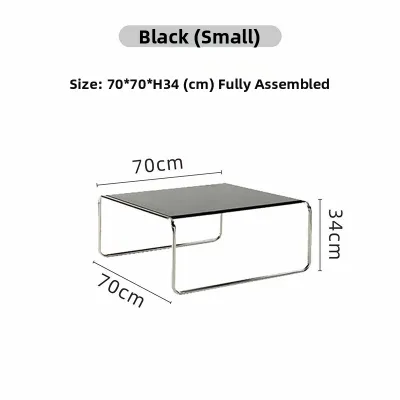
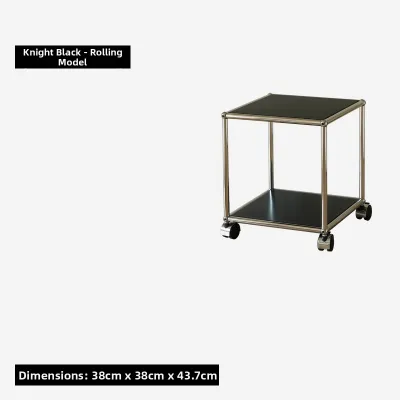
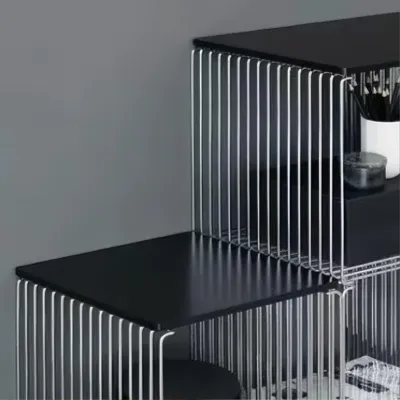
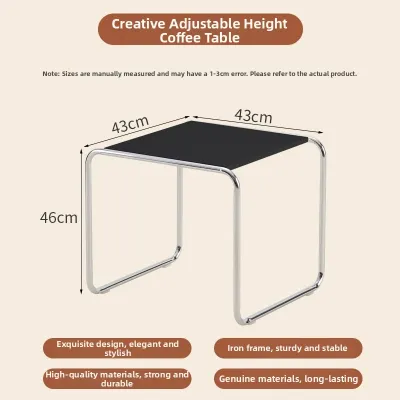
Prices are valid at publication and may change. Please refer to the product page for the latest price.
Evaluating long-term value is essential when deciding between these paths. Licensed originals tend to retain their value over time, often appreciating as collectible design classics, and they typically come backed by extensive manufacturer warranties. Conversely, everyday inspired tables are depreciating assets meant for immediate utility. They are excellent for high-traffic family rooms where daily wear and tear is expected, but they do not carry the same resale potential or long-term structural guarantees.
The Bauhaus Diagnostic Checklist: Observable Design Features
Identifying a genuine Bauhaus-style coffee table requires a close inspection of its visual and physical characteristics. The Bauhaus movement established a design philosophy where form strictly follows function. This means every element of the table must serve a structural or practical purpose, entirely free from superficial decoration.

Geometric Purity The first feature to look for is absolute geometric simplicity. A Bauhaus coffee table relies on basic shapes: circles, squares, rectangles, and clean parallel lines. Inspect the tabletop and frame for any signs of ornate carvings, decorative moldings, or stylized embellishments. If you notice decorative flourishes, intricate patterns, or non-functional curves, the table departs from true Bauhaus principles. The beauty of the piece stems entirely from the harmony of its mathematical proportions and clean profile.
Material Honesty Material honesty is a cornerstone of Bauhaus design. This principle dictates that materials should be showcased in their natural, functional state rather than disguised. On a Bauhaus table, structural elements are left completely exposed. Tubular steel frames are polished, chrome-plated, or powder-coated to highlight their industrial strength, never painted to mimic wood or stone. If the table features a wooden top, the natural grain should be visible and celebrated, rather than covered with heavy, opaque lacquers. Glass tops are frequently used specifically because they reveal the elegant engineering of the metal support structure underneath.
Functional Proportions A true Bauhaus design prioritizes visual lightness and physical efficiency. The table should not dominate the room with unnecessary bulk or heavy, solid bases. Instead, look for slender metal frames, cantilevered supports, or nesting configurations that maximize open space. The height of the table is typically low to the ground, designed to align comfortably with modern, low-profile lounge seating. Every millimeter of the frame is optimized to provide maximum stability with the minimum amount of material.
Spatial and Structural Compatibility Checks
Before finalizing your purchase, ensure the table physically integrates with your living room layout and accommodates daily movement. In tropical climates like the Philippines, where homes often feature open-plan layouts and tiled floors to maximize airflow, spatial planning is crucial to prevent a cramped living environment.
Start by measuring your sofa’s seat height. To maintain comfortable reach and ergonomic balance, the tabletop should sit level with or slightly below your sofa cushions, typically between 35 and 45 centimeters from the floor. A table that is too high will disrupt the low-slung, relaxed aesthetic characteristic of Bauhaus interiors, while a table that is too low can be awkward to use daily.
Next, map out the clearance around the table. To ensure safe, unobstructed movement, maintain a walkway of at least 45 to 60 centimeters between the edge of the coffee table and the front of your sofa. If your living room features a large area rug, verify that the table’s base rests entirely within the rug’s boundaries to prevent wobbling. In high-traffic households, keeping these pathways clear prevents accidental bumps and stubbed toes, especially around low-profile metal frames.
Finally, review the manufacturer’s weight limits and test the base stability. Bauhaus tables with cantilevered or asymmetrical frames require precise engineering to remain stable. If your home has slightly uneven tiled floors or plush carpeting, a poorly balanced table may tip when weight is applied to the outer edges. Look for adjustable leveling glides on the bottom of the frame to compensate for uneven flooring and ensure the table remains perfectly steady.
Inspecting Build Quality and Manufacturer Specifications
A thorough inspection of physical construction and documentation ensures your table remains durable, safe, and easy to maintain over years of use. Because Bauhaus designs rely on minimalist frames, the quality of the joints and finishes is paramount to the piece’s structural integrity.
Begin by closely examining the joint connections and visible hardware. High-quality Bauhaus tables feature seamless, ground-down welds where metal tubes meet, creating a smooth, continuous curve. Avoid tables with rough, bubbly weld beads or misaligned joints, as these indicate substandard manufacturing. If the table uses fasteners, ensure they are flush-mounted and made of corrosion-resistant hardware to withstand humid indoor environments.
Next, read the manufacturer’s material specification sheets and care labels. In humid tropical regions, moisture in the air can accelerate the degradation of poorly treated metals. Look for specifications detailing robust surface treatments, such as triple-plated chrome or high-durability powder coating, which protect the underlying steel from rust. For wooden elements, verify that the surface has been sealed with a moisture-resistant finish to prevent warping or water rings from cold drinks.
Always identify clear stop conditions during your inspection. If you encounter a frame that wobbles under light pressure, sharp or unfinished metal edges that pose a safety hazard, or conflicting assembly instructions that compromise the frame’s alignment, do not attempt to force a solution. Stop the installation process immediately and consult the manufacturer or a professional furniture technician to resolve the issue safely.
Frequently Asked Questions (FAQ)
How do I maintain the finish on a tubular steel frame?
To keep a tubular steel frame looking pristine, dust it regularly with a dry, soft microfiber cloth to remove airborne particles and fingerprints. For deeper cleaning, use a soft cloth slightly dampened with a mild, pH-neutral soap and water solution, taking care to dry the metal completely immediately afterward to prevent water spots. Avoid using abrasive scrubbing pads, steel wool, or harsh chemical cleaners containing bleach or ammonia, as these can scratch or strip the protective chrome or powder-coated finish. If you observe signs of rust, peeling coatings, or structural weakening at the joints, stop using standard household cleaners and consult the retailer or a professional metal restorer.
Can a Bauhaus-style table work in a compact living space?
Yes, Bauhaus-style tables are exceptionally well-suited for compact living spaces due to their inherent visual lightness. Tables featuring glass tops and open, slender metal frames allow light to pass through, reducing visual clutter and making a small room feel larger and more open. Before purchasing, measure the exact footprint of the table and map it out on your floor using painter’s tape to ensure it does not block high-traffic paths. If space is extremely limited, consider nesting tables or multi-functional Bauhaus-inspired side tables that can be easily rearranged or tucked away when more floor space is needed.
Community discussion
Share your experience or ask a question. Comments are reviewed before publication.