
Mounting an umbrella holder on your entryway wall is a practical way to keep your home organized, dry, and safe from slipping hazards. In tropical climates where sudden downpours are common, having a dedicated spot for wet umbrellas right by the door prevents water from being tracked onto your living room floors. This simple DIY project not only saves valuable floor space in compact foyers but also ensures your rain gear is always within arm’s reach when you are rushing out the door. By choosing the right wall anchors, measuring carefully, and mounting the unit securely, you can create a durable storage solution that withstands daily use throughout the wettest months of the year.
Planning the Placement and Wall Assessment
Before drilling any holes, you must carefully evaluate your entryway layout to find the most functional spot. Consider the natural traffic flow of your household; the holder should be easily accessible but positioned so that it does not obstruct the main pathway. Check the door swing clearance to ensure that opening the front door fully will not strike or damage the mounted holder or the umbrellas stored inside. Additionally, think about the drip zone—the area directly beneath the holder where water droplets might fall when you place a wet umbrella inside.
The material of your entryway wall is the most critical factor in determining how you will mount the holder. In many homes, particularly modern condominiums and houses in the Philippines, walls are constructed from solid concrete, concrete hollow blocks, or plaster-coated masonry. Other homes utilize drywall or fiber cement boards over metal or wooden studs for interior partitions. Concrete walls require a hammer drill and masonry anchors to support weight, while drywall requires you to either locate a structural stud or use specialized hollow-wall fasteners. Attempting to use drywall screws in concrete, or standard plastic plugs in hollow drywall, will inevitably lead to a loose, sagging fixture that damages your wall.
Products mentioned in this guide
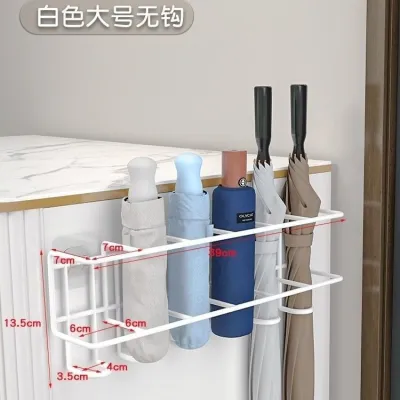
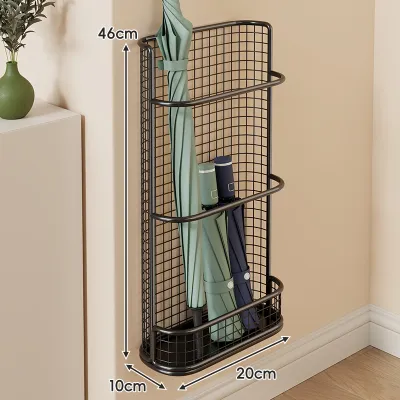
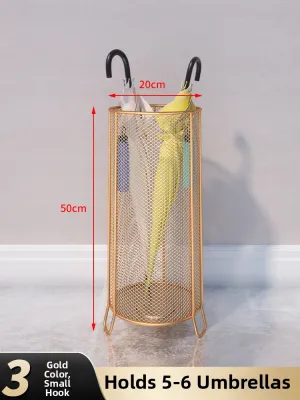
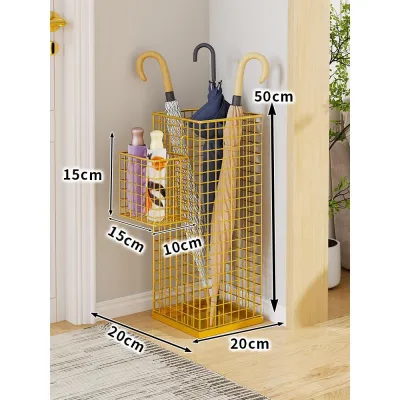
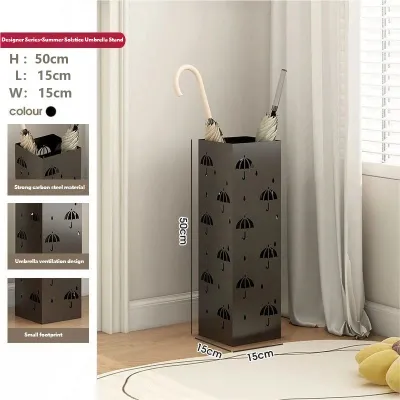
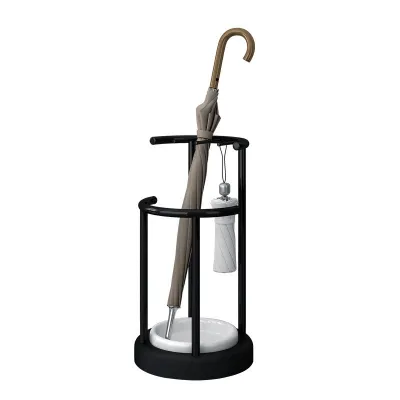
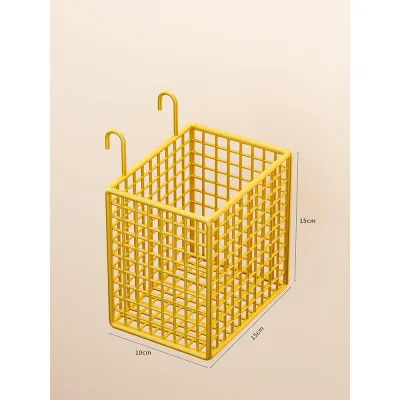
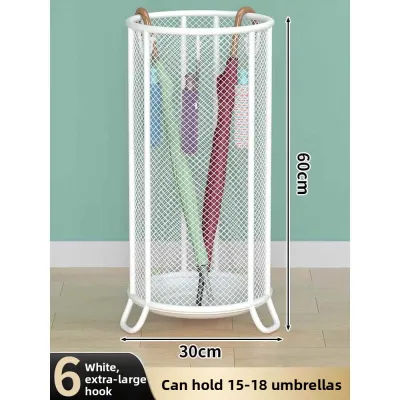
Prices are valid at publication and may change. Please refer to the product page for the latest price.
Determining the ideal mounting height requires a quick inventory of your household’s umbrella collection. Measure your longest stick umbrellas from the tip to the handle to establish the minimum vertical clearance needed from the floor or the drip tray. If your holder features a built-in drip pan at the bottom, the entire unit must be mounted high enough so that long umbrellas do not bunch up or bend, yet low enough that shorter, folding umbrellas remain within easy reach.
Finally, always check for hidden hazards behind your chosen installation spot before you begin drilling. Entryway walls often house electrical conduits for light switches, outdoor lighting, or doorbell wiring, as well as water pipes if the wall shares space with an adjacent bathroom or kitchen. Using a multi-scanner or stud finder with live wire detection can help you map out the space behind the wall. If you are drilling into solid concrete, proceed slowly and watch for sudden resistance, which could indicate you have hit steel rebar or a utility conduit.
Gathering Tools and Hardware
Having the correct tools on hand before you begin will make the installation process smooth and prevent unnecessary trips to the local hardware store. You will need a reliable power drill—preferably one with a hammer function if you are working with concrete or masonry walls. Gather a selection of drill bits that match your wall type; masonry bits are essential for concrete, while standard twist bits work well for wood studs or drywall pilot holes. A spirit level is indispensable for ensuring your holder sits perfectly straight, preventing umbrellas from sliding or leaning awkwardly.

You will also need a tape measure, a sharp pencil for marking drill points, and a stud finder if you are mounting onto a hollow drywall partition. Do not rely solely on the hardware pack included in the manufacturer’s packaging. Many mass-produced umbrella holders come with generic, low-quality plastic anchors and soft metal screws that easily strip or fail under load. It is highly recommended to inspect these components and, if necessary, purchase high-quality, brand-name wall plugs or heavy-duty toggle bolts from a local home improvement center. Spending a few pesos on robust fasteners ensures your installation remains secure for years.
When matching your fasteners to the wall type, keep the maximum weight capacity of the umbrella holder in mind. A metal holder filled with several large, wet golf umbrellas can become surprisingly heavy. For concrete walls, select plastic wall plugs (often referred to locally as tox plugs) or concrete screws that match the diameter of your drill bit. For drywall installations where a stud is unavailable, opt for metal toggle bolts or self-drilling threaded drywall anchors rather than standard expansion plugs, which can easily pull out of gypsum board under downward pressure.
Step-by-Step Installation Process
To begin the physical installation, position the umbrella holder or its mounting bracket against the wall at your pre-determined height. Place your spirit level on top of the bracket to ensure it is perfectly horizontal, as even a slight tilt will be highly visible once the holder is loaded. Use your pencil to mark the exact center of each screw hole directly onto the wall surface. Once marked, set the bracket aside and double-check your marks with the level one more time to confirm they are aligned.
Next, prepare your power drill with the correct bit size. The diameter of the drill bit must match the specifications of your wall anchors exactly; using a bit that is too large will create a loose hole where the anchor cannot grip, while a bit that is too small will prevent the anchor from inserting fully. If you are drilling into concrete, set your drill to hammer mode and apply steady, forward pressure, keeping the drill perfectly perpendicular to the wall. Drill slightly deeper than the length of the anchor to allow room for any dust that settles at the back of the hole. For drywall, use a standard drill bit to create a clean pilot hole without tearing the paper backing.
Clear any dust or debris from the drilled holes using a hand pump, a vacuum, or a quick puff of air. Insert your wall anchors into the holes; they should fit snugly and require a light tap with a rubber mallet or the handle of a screwdriver to sit completely flush with the wall surface. If an anchor bends or deforms while you are tapping it into concrete, remove it, clear the hole of excess dust, and insert a fresh anchor.
Align the mounting bracket of the umbrella holder with the installed anchors. Insert the screws by hand first to ensure they thread correctly into the anchors without cross-threading. Use a manual screwdriver or a power drill set to a low torque limit to tighten the screws. Work incrementally, tightening each screw a little bit at a time rather than driving one fully home before starting the others. Stop tightening as soon as the screw head is flush against the bracket and the bracket feels completely immobile against the wall; over-tightening can strip the threads in plastic anchors or crack the mounting bracket itself.
Post-Installation Testing and Entryway Care
Once the holder is securely mounted, perform a gradual weight and stability test before loading it with your entire umbrella collection. Gently pull down on the bracket with your hand to simulate the weight of several wet umbrellas. Watch for any signs of movement, sagging, or wall cracking around the mounting points. If the bracket flexes or the wall anchors begin to pull away from the surface, stop immediately, remove the holder, and re-evaluate your anchoring strategy.
Managing moisture is crucial for protecting your entryway flooring and walls, especially during the humid monsoon season. If your wall-mounted umbrella holder does not feature an integrated drip tray, place a small, water-resistant floor mat or a shallow plastic tray directly underneath it to catch falling water droplets. This prevents water from pooling on wooden parquet, laminate, or sensitive tile grout, which can lead to warping, discoloration, or mold growth. For added protection, you can apply a clear, water-resistant adhesive film to the wall section directly behind the holder to shield the paint from damp umbrella fabric.
Establish a simple routine to inspect your umbrella storage setup every few months. High humidity and temperature fluctuations can cause building materials to expand and contract, which may gradually loosen screws over time. Check the mounting bracket periodically to ensure it remains tight against the wall, and wipe down the holder and drip tray regularly to prevent stagnant water from attracting mosquitoes or causing unpleasant odors.
Frequently Asked Questions (FAQ)
Can I install an umbrella holder on hollow drywall without studs?
Yes, you can install an umbrella storage unit on hollow drywall without securing it to a stud, but you must use the correct heavy-duty fasteners. Standard plastic expansion plugs are designed for solid walls and will easily pull out of hollow drywall under the weight of wet umbrellas. Instead, use metal toggle bolts or molly bolts, which expand behind the drywall sheet to distribute the load over a wider surface area. Always check the weight rating on the fastener packaging to ensure it can support the combined weight of the holder and your heaviest umbrellas. If the total weight exceeds the safe limit of your drywall anchors, you should relocate the installation to align with a wall stud or use a freestanding storage option.
What is the standard height for mounting an umbrella holder?
There is no single standard height for mounting an umbrella holder, as the ideal placement depends on the specific umbrellas you own and the height of your family members. A practical rule of thumb is to measure your longest stick umbrella and mount the holder so that the bottom of the unit sits at least 10 to 15 centimeters above the floor or drip tray. This ensures long umbrellas hang freely without dragging. For a household with both adults and children, mount the holder at a height where the handles of standard umbrellas are easily reachable for everyone, typically around 80 to 100 centimeters from the floor, ensuring comfortable access without excessive bending or stretching.
Community discussion
Share your experience or ask a question. Comments are reviewed before publication.