
Raising your bed is an excellent way to unlock hidden storage space and make getting in and out of bed much easier. However, adding height to a heavy piece of furniture introduces structural risks if not done correctly. A poorly planned installation can lead to cracked floor tiles, deep gouges in hardwood, or a collapsed bed frame. To achieve a stable, elevated bed without compromising your home’s flooring or your furniture’s structural integrity, you must follow a systematic approach that prioritizes weight distribution, precise measurements, and proper lifting techniques.
Assess Your Bed Frame and Floor Compatibility
Before purchasing any bed risers, you must evaluate the physical characteristics of your bed frame and the floor beneath it. Start by examining the bottom of each bed leg. Use a precise measuring tape to determine the width, depth, or diameter of the leg’s base. Bed legs come in various shapes, including square posts, round wooden pegs, slender metal rods, and wide block feet. The riser you choose must have a recessed top cup that is slightly larger than the bed leg’s base to ensure a snug fit, but not so large that the leg can slide around inside the cup.
Next, identify the material and condition of your flooring. Hardwood, engineered wood, and laminate floors are highly susceptible to scratching, denting, and scuffing under concentrated weight. Ceramic tiles, marble, and polished concrete are more resistant to scratches but can crack under intense point-load pressure if the weight is not distributed evenly. Knowing your floor type helps you determine what kind of protective padding you need to place between the riser and the floor surface.
Products mentioned in this guide

13 Lazada user ratings
The four pieces for bed rising is made very well. They don't slip on the floor and hold the furniture securely
Sturdy ABS material, Good packaging,
Anti-slip base, Sturdy ABS material,
L-shaped design, Perfect for sofas,
8 Lazada user ratings
Thank you seller, thank you rider and thank you lazada
Great and in good condition 🤩
Performs as expected
24 Lazada user ratings
Ordered twice for 4inches. 1st delivery smaller one, 2nd delivery correct size. I just noticed now. Seems durable but hate their mistake.
Excellent product need to buy more put a buy more button of review page big so we can see it and order again
Stable and durable design, Ideal for bed head elevation, Items received on time and in good condition.
sakto yung binili ko para sa mesa namin..para di.magasgas at masira ang tiles..good job
Stable and durable design,

8 Lazada user ratings
These Heavy Duty Anti-Slip Bed Risers look sturdy. The seller is easy to deal with and very understanding of the type of risers I need. I’ll…Read full reviewShow less
These Heavy Duty Anti-Slip Bed Risers look sturdy. The seller is easy to deal with and very understanding of the type of risers I need. I’ll be ordering another set for my aunt.
actually it slips
it actually slips
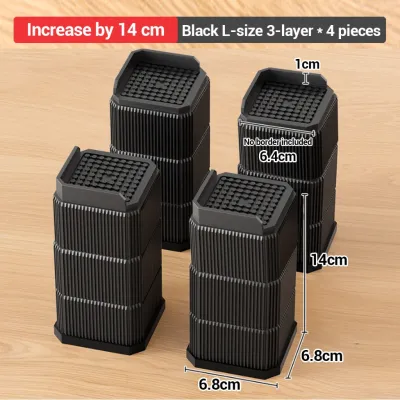

286 Lazada user ratings
Provides stability and support, Made of high-quality plastic, Perfect for raising furniture, Perfect for raising furniture, Easy to use, Con…Read full reviewShow less
Provides stability and support, Made of high-quality plastic, Perfect for raising furniture, Perfect for raising furniture, Easy to use, Convenient bed height adjustment, Convenient bed height adjustment, Simple yet effective design, Simple yet effective design, Sturdy and durable,
Made of high-quality plastic, Ideal for people with limited mobility, 🏅Material Quality:durable and good quality materials used 🔧Ease of Ins…Read full reviewShow less
Made of high-quality plastic, Ideal for people with limited mobility, 🏅Material Quality:durable and good quality materials used 🔧Ease of Installation:easy to use and install very durable
Securely lifts heavy beds, Perfect for raising furniture, Sturdy and durable, Made of high-quality plastic, Provides stability and support, …Read full reviewShow less
Securely lifts heavy beds, Perfect for raising furniture, Sturdy and durable, Made of high-quality plastic, Provides stability and support, Easy to use, Convenient bed height adjustment,
Sturdy and durable, Ideal for people with limited mobility, Convenient bed height adjustment, Easy to use, 🔧Ease of Installation:easy to ins…Read full reviewShow less
Sturdy and durable, Ideal for people with limited mobility, Convenient bed height adjustment, Easy to use, 🔧Ease of Installation:easy to install 🏅Material Quality:quality materials used
Made of high-quality plastic, Simple yet effective design, Sturdy and durable, Convenient bed height adjustment. 🛠️Durability:5/5 🔧Ease of In…Read full reviewShow less
Made of high-quality plastic, Simple yet effective design, Sturdy and durable, Convenient bed height adjustment. 🛠️Durability:5/5 🔧Ease of Installation:5/5
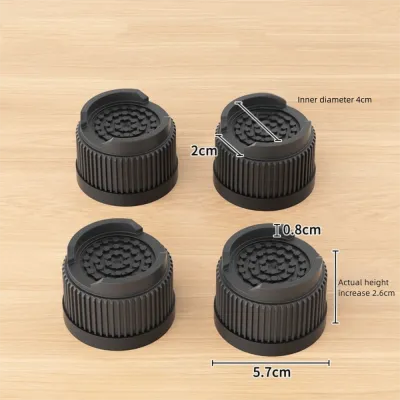
2 Lazada user ratings
The product is in good condition, and does the job well. It was well packaged, and delivered securely. This will not be my last purchase.
Prices are valid at publication and may change. Please refer to the product page for the latest price.
Finally, consult the manufacturer specifications for both your bed frame and the proposed bed risers. Look for the maximum weight capacity, keeping in mind that this limit must accommodate the weight of the frame, the mattress, all bedding, and every person who uses the bed. Exceeding these weight limits can cause the risers to crack or the bed frame joints to buckle. Additionally, check your bed frame’s warranty terms, as some manufacturers explicitly state that using aftermarket risers or making unauthorized height modifications will void your coverage.
Tools and Materials Needed for a Safe Setup
A successful installation requires gathering the correct tools and protective materials before you begin lifting. You will need a reliable measuring tape to verify dimensions, a set of heavy-duty furniture sliders to assist with positioning, and a level to ensure the bed remains perfectly flat after installation. Most importantly, secure the assistance of a capable helper; attempting to lift a bed frame and position risers alone significantly increases the risk of personal injury and damage to your walls or floors.

Protective padding is essential for preserving your floor’s finish. For hard surfaces like wood, laminate, or tile, you should acquire heavy-duty felt pads, non-slip rubber grips, or specialized silicone caster cups. These materials act as a buffer, absorbing vibrations and preventing the hard plastic or metal of the riser from grinding against your floor.
When selecting the risers themselves, prioritize structural design over aesthetics. Look for risers with a deep, recessed top cup and a wide, flared base. The wide base distributes the bed’s weight over a larger surface area, which minimizes the risk of denting or cracking the floor. Choose high-density plastic, solid wood, or heavy-duty steel risers that match the weight requirements of your setup, and avoid flat-topped risers that do not feature a protective lip to keep the bed legs from sliding off.
Step-by-Step Guide to Installing Bed Risers
Installing bed risers is a straightforward process, but it requires patience, precision, and a methodical approach. Rushing through the steps or attempting to lift the entire bed at once can lead to sudden shifts in weight, causing the frame to bend or the risers to slip. By breaking the task down into distinct phases, you can ensure that each leg is raised safely and seated securely.
Preparing the Bed and Clearing the Area
Before you attempt to lift any part of the bed, you must minimize the total weight of the structure. Strip the bed of all sheets, blankets, pillows, and duvets. Remove the mattress and the box spring or wooden slats, placing them safely against a nearby wall. If your bed has built-in under-bed storage drawers, empty them completely and remove them from the frame to lighten the load as much as possible.
Next, clear the surrounding floor space of all obstacles, including rugs, nightstands, power cords, and decorative items. You need a clean, unobstructed workspace with plenty of room to maneuver around all four corners of the bed. This prevents tripping hazards and ensures that you and your helper have stable footing throughout the lifting and positioning process.
Lifting the Bed Frame Safely
Lifting a bed frame requires proper physical technique to prevent personal injury and avoid putting undue stress on the furniture joints. If the bed legs have been resting in one spot for a long time, they may be slightly stuck to the floor; use furniture sliders or a small pry bar resting on a protective wooden block to gently break the seal before lifting. Always lift with your legs, keeping your back straight and your core engaged, and never attempt to lift the entire bed frame simultaneously.
With your helper standing on the opposite side of the same end of the bed, coordinate your movements to lift one corner or one end of the frame at a time. Lift the frame just high enough to clear the top of the riser. Avoid twisting your body while holding the weight, as this can cause muscle strain or lead to dropping the frame.
Pay close attention to the structural behavior of the bed frame as you lift. If you hear loud creaking, or if you observe the metal or wood joints bending, twisting, or cracking, stop the lift immediately and lower the frame back to the floor. This structural stress indicates that the frame may not be strong enough to support uneven lifting, or that the joints require tightening before you can proceed safely.
Positioning the Risers and Securing the Legs
Once a corner of the bed is lifted, your helper should carefully slide the bed riser directly underneath the bed leg. Align the leg precisely with the center of the riser’s recessed cup. Ensure that the leg sits completely flat within the cup, with no overhang or uneven contact along the edges of the riser’s rim.
If your bed frame is equipped with casters or wheels, you must take extra precautions to prevent them from rolling inside or out of the risers. Use specialized risers designed with deep caster cups, or insert heavy-duty rubber wheel chocks inside the riser cups. If your bed frame design allows, the safest option is often to remove the casters entirely and let the flat bottom of the bed posts rest directly in the riser cups.
Slowly and gently lower the bed frame leg into the riser, allowing the weight to settle gradually. Once the leg is in place, gently shake the bed frame corner to verify that the leg is fully seated and does not wobble or shift. Repeat this lifting and positioning process for each remaining leg, ensuring that all risers are oriented in the same direction and sit perfectly flat on the floor.
Protecting Common Floor Types in the Philippines
In the Philippines, residential flooring often consists of materials that require specific protection strategies to prevent costly damage. Tile and marble floors are highly common in local homes due to their cooling properties in tropical weather. However, these stone surfaces are vulnerable to point-load cracking if a heavy bed’s weight is concentrated on a small, hard riser base. To prevent this, select risers with exceptionally wide bases and place dense rubber utility pads beneath them to distribute the weight evenly across the tile surface.
Hardwood and engineered wood floors, also popular in many Philippine residences, are highly susceptible to deep scratches, scuffs, and indentations. To protect these delicate surfaces, apply thick, heavy-duty felt pads to the bottom of each bed riser. Additionally, the high humidity levels in the Philippines can trap moisture beneath solid plastic or rubber risers, potentially damaging the wood finish over time. To mitigate this, ensure the floor is completely dry before installation, and choose breathable felt pads that allow minimal airflow.
Uneven flooring is another common issue that can compromise the stability of your elevated bed. Use a spirit level to check if the bed frame is perfectly horizontal after placing all the risers. If you detect any slope or wobble due to an uneven floor, do not stack multiple risers or use unstable makeshift materials; instead, insert thin, durable plastic shims beneath the low risers to achieve a level, stable foundation.
Testing Stability and Performing Final Checks
Before you replace the mattress and bedding, you must perform a thorough stability check to ensure the elevated bed is safe for daily use. Apply gradual downward pressure to each corner of the bed frame, listening closely for any squeaking, creaking, or shifting sounds. Gently rock the frame from side to side and head to toe to verify that the risers remain firmly planted on the floor and do not slide or tilt.
Once the frame passes the initial stability test, reinstall the box spring, mattress, and bedding. Sit on the edge of the bed to evaluate the new height. Ensure that your feet can still touch the floor comfortably or that you can get in and out of bed without straining your knees or back. If the bed feels excessively high or unstable, you may need to opt for a lower riser height.
Finally, establish a regular maintenance routine to inspect your bed risers every few months. Over time, normal movement, sitting, and sleeping can cause the bed legs to shift slightly within the riser cups, or cause the protective floor pads to wear down. Periodically check that all legs remain centered in their cups, inspect the floor around the bases for signs of scratching or indentation, and ensure that the risers themselves show no signs of cracking or structural fatigue.
Frequently Asked Questions (FAQ)
Can I use bed risers on a bed frame with a center support leg?
Yes, but you must use an additional riser of the exact same height and design for the center support leg. Many modern queen and king-size bed frames rely on a center leg to distribute weight and prevent the middle of the frame from sagging or breaking. Leaving the center leg suspended in the air or resting on an improvised, mismatched support will place immense structural stress on the frame, leading to permanent damage or a sudden collapse. Ensure that every single contact point of your bed frame is supported by an identical, properly rated riser.
Do bed risers void my bed frame warranty?
Using bed risers can void your bed frame warranty, depending on the manufacturer’s specific terms and conditions. Many furniture manufacturers include clauses that void the warranty if the product is modified, subjected to unauthorized accessories, or used in a manner that exceeds its original design limits. Before installing risers, carefully review your bed frame’s user manual or contact the manufacturer’s customer service. If structural damage occurs as a result of improper riser installation or exceeding the frame’s weight capacity, the manufacturer is highly unlikely to cover the cost of repairs or replacement.
Community discussion
Share your experience or ask a question. Comments are reviewed before publication.